





Top-rated radon detection and reduction specialists.

Get matched with top radon detection and reduction specialists in Clearville, PA

Enter your zip and get matched with up to 5 pros

Need a pro for your radon detection and reduction project in Clearville, PA?

Select your specific project to find the pro for you.

Find Radon detection and reduction specialists in Clearville

Avatar for Flood Crew LLC
Flood Crew LLC
4.6(
40
)
Radon Gas - AbatementRadon Gas - Testing

Serving Clearville, PA and surrounding areas

In business since 2008

Free estimates

Emergency services offered

"Bill and his team did an excellent job in handling the remediation for water that got into my home. Would highly recommend them given their promptness and general assistance in getting this situation under control."
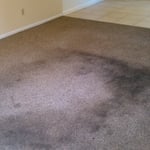
After carpets were cleaned.
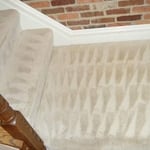
Before and after of Medallion
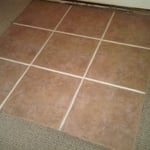
After color sealed
Apartment carpet cleaning
Drying bathroom wood subfloor from kitchen using indirect control heat, controlled by thermostat we set in place

+57

Recommended by88%of homeowners
Radon Detection and Reduction questions, answered by experts

Radon is present almost everywhere but, like sunlight, the concentration levels and how often you are exposed to it have a large part to play in just how dangerous it is. There are levels of radon that are acceptable inside a house, but above a certain limit, radon becomes a serious radioactive hazard that is a known cause of lung cancer. In fact, radon exposure is the number two leading cause of lung cancer (after smoking).

You can vent radon out of your house sometimes by simply opening a window, but it won’t remove the source, and will likely rise above recommended levels quickly. A professional will be needed to assess your home, and determine the best strategy for radon removal. Active radon sump pumps and soil depressurization systems are often used to forcefully vent the radon from your home.

Options include sub-slab depressurization, crawlspace ventilation, and sealing cracks. Choose based on home construction and radon levels.

Your radon mitigation system may be loud because it’s time to replace it. Any sounds are usually from the inline fan that helps create the vacuum and resulting airflow. If you hear a new, loud mechanical or humming noise from your radon fan, it might be time to replace it. Most fans used in radon mitigation systems last up to 10 years, but may need to be replaced sooner.

Radon enters your home when warm air begins to rise and exits through the roof, creating a vacuum that pulls cooler air from under the foundation. Part of that air is radon, which is an invisible, odorless gas that develops naturally when radioactive particles are deep within the ground. Those particles usually come from decaying matter in soil and rocks.

The Clearville, PA homeowners’ guide to radon detection and reduction services

From average costs to expert advice, get all the answers you need to get your job done.