




Top-rated radon detection and reduction specialists.

Get matched with top radon detection and reduction specialists in New Cumberland, WV

Enter your zip and get matched with up to 5 pros

Need a pro for your radon detection and reduction project in New Cumberland, WV?

Select your specific project to find the pro for you.

Find Radon detection and reduction specialists in New Cumberland

Avatar for Webb Property Inspections
Webb Property Inspections
5.0(
11
)
Radon Gas - Testing

Serving New Cumberland, WV and surrounding areas

In business since 2002

Free estimates

Emergency services offered

"I was very satisfied with the service provided by Webb Property Inspections. From the beginning with Jennifer Cranford to the end with Darius Woods. Jennifer worked with me on getting this scheduled as soon as possible and making sure that I have everything I need to apply for permits, going as far as speaking with the building department. Darius was punctual, professional and thorough with the inspection, even completing it on a Sunday. I couldn’t be happier."
Home Inspection Project
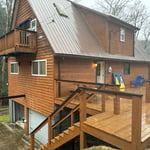
Brand new build inspection (pre-purchase).
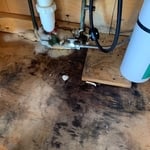
Water leak that has left the home with foreign substance growth.
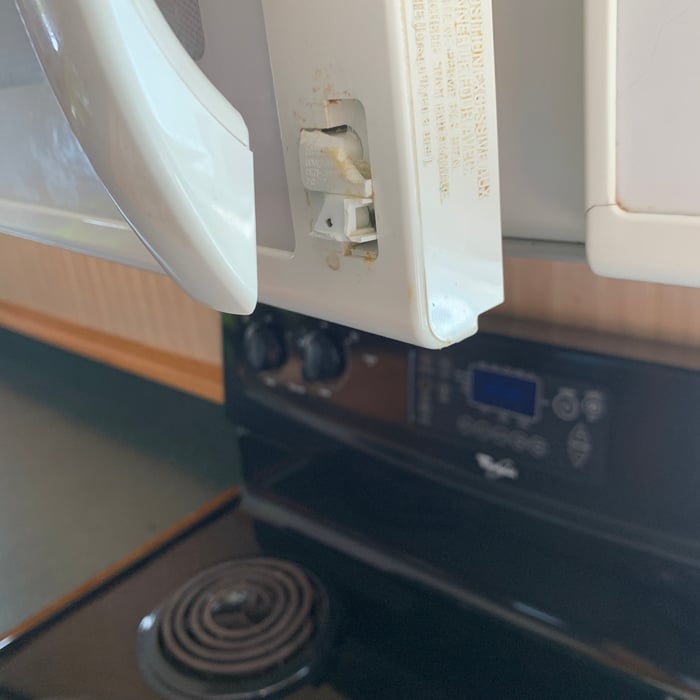
Microwave handle broken.

+35

Recommended by10%of homeowners
Radon Detection and Reduction questions, answered by experts

No level of radon is technically safe, but since it is naturally present everywhere, it is impossible to avoid entirely. The average radon level in homes across the United States is 1.3 picocuries per liter (pCi/L). The Environmental Protection Agency (EPA) recommends taking action to reduce radon levels if your home's test results are between 2 and 4 pCi/L or higher.

Options include sub-slab depressurization, crawlspace ventilation, and sealing cracks. Choose based on home construction and radon levels.

You'll need to test your home for radon after installing the mitigation system, then again every two years. If radon remains elevated, contact a licensed radon professional, either the contractor who installed the system or a different one, and have them evaluate the system. They may need to make some changes to improve its effectiveness and performance.

The average radon mitigation system uses about 876 kWh of electricity per year, although the exact amount of electricity used will vary depending on the size of the radon fan. Once the system is installed, the annual increase to your energy bill could range from $30 to $300 per year, again depending on the size of the fan.

Many radon fans carry a five-year manufacturer's warranty. That said, your radon fan should last between five and ten years. Regular inspections will ensure the fan is operating properly. Unusual or exceptional noise coming from the fan or indications on your manometer or system monitor can immediately tell you that something is amiss.

The New Cumberland, WV homeowners’ guide to radon detection and reduction services

From average costs to expert advice, get all the answers you need to get your job done.