

Top-rated radon detection and reduction specialists.

Best radon detection and reduction specialists near Crescent, PA

Enter your zip and get matched with up to 5 pros

Need a pro for your radon detection and reduction project in Crescent, PA?

Select your specific project to find the pro for you.

Top-Rated Radon detection and reduction specialists in Crescent - Updated Nov 2026

Home Pro
4.7(
14
)
Radon Gas - AbatementRadon Gas - Testing

Serving Crescent, PA and surrounding areas

In business since 1986

Free estimates

Credit card accepted

"In Conclusion,
   the service was on time, professional, complete, and well done. Tom was on time within 15 minutes (which is acceptable to me). He began work without wasting time, while explaining what he was doing at every step. He gave tips when appropriate. He was professional and had all necessary equipement on his person.
I would recommend this service. 
In addition, for an additional $100.00, Homepro will return to make sure that the seller has completed the necessary repairs prior to closing. This feature is useful if you do not trust the seller or selling agent. We did not elect this service, but, it was nice to know that it was available.
"
Recommended by100%of homeowners
Avatar for Omega Radon Measurement and Mitigation
Omega Radon Measurement and Mitigation
4.8(
2
)
Radon Gas - AbatementRadon Gas - Testing

Serving Crescent, PA and surrounding areas

In business since 2013

Free estimates

Warranties offered

Omega Radon Measurement and Mitigation is PITTSBURGH'S BEST. We pride ourselves on delivering exceptional service and professional work. Our systems are durable and warranted. Don't delay, Respond today.Where the PRO'S know.

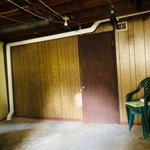
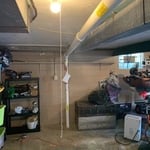
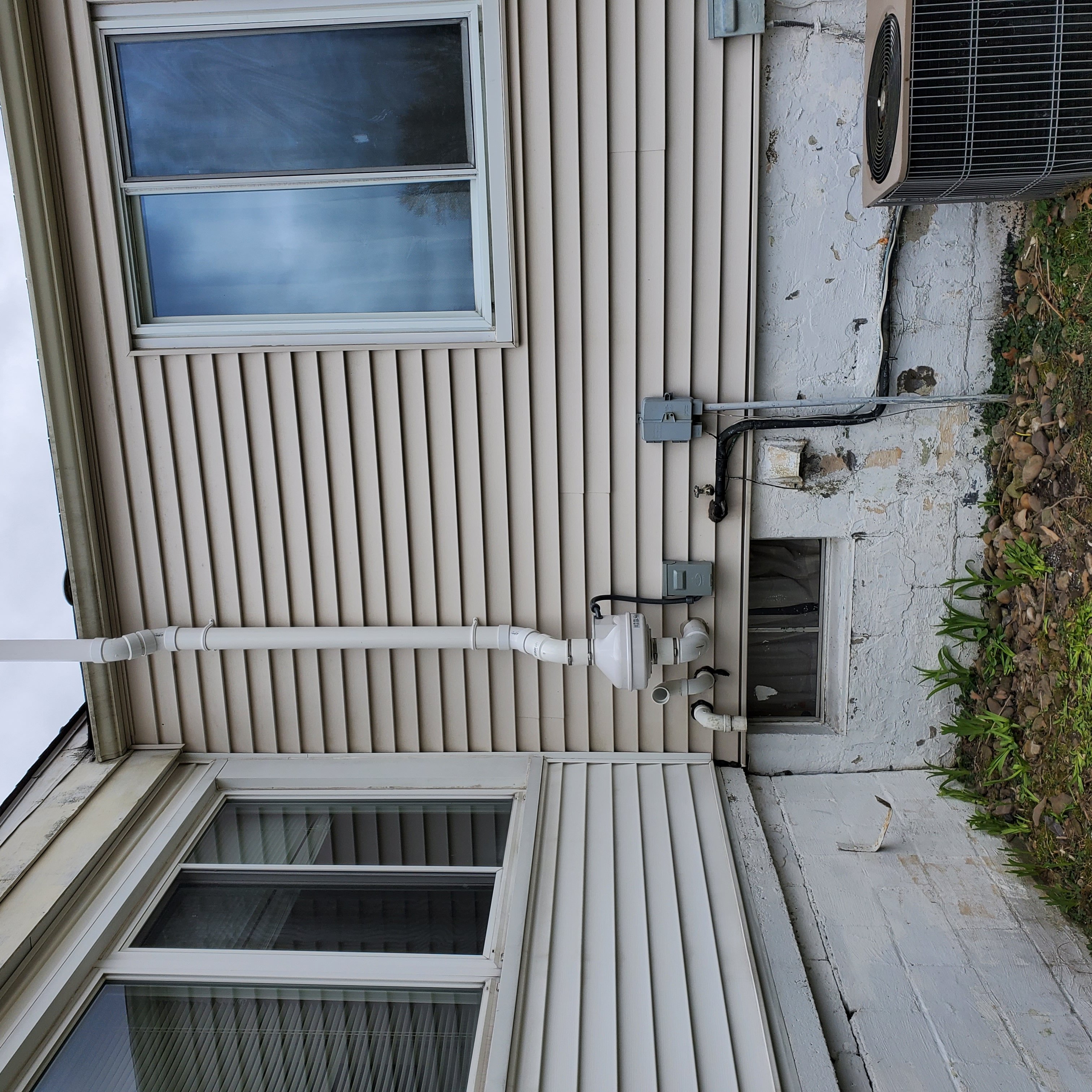
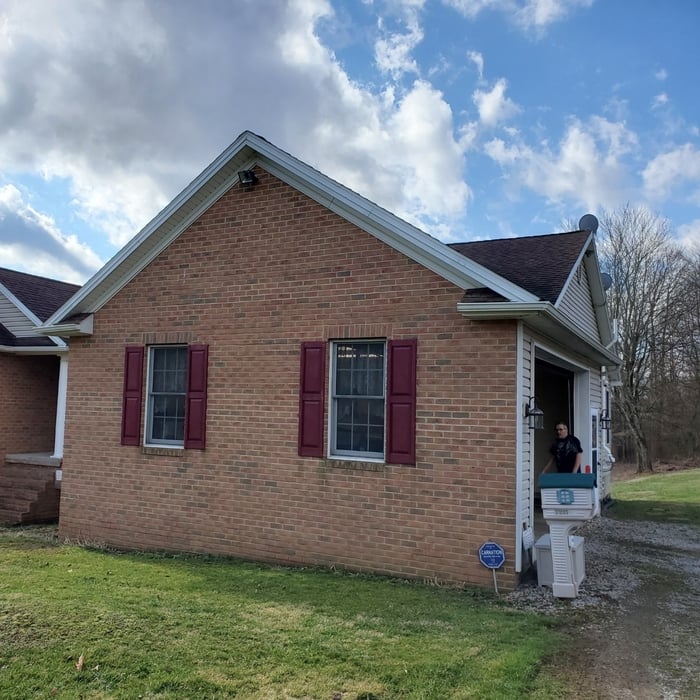
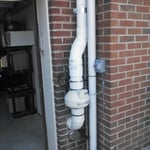
System that was ran through garage
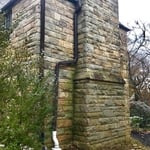
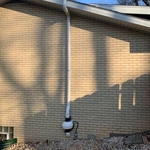
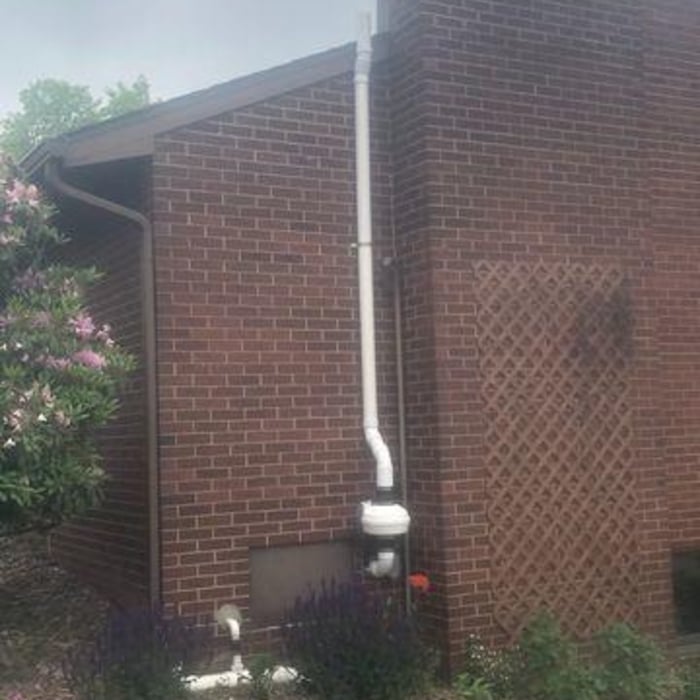
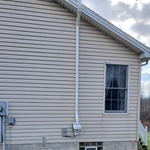
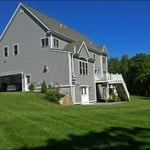
Depressurization system along down spouts
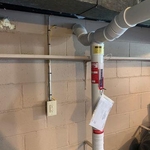
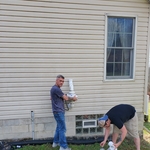
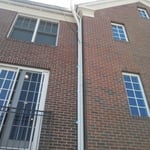
Depressurization system on Condo/Townhouse
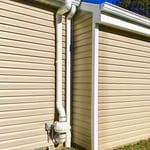
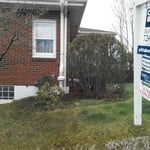
Along Downspout
Response time5 days
Recommended by100%of homeowners
Avatar for MJL Property Inspection
MJL Property Inspection
5.0(
2
)
Radon Gas - Testing

Serving Crescent, PA and surrounding areas

In business since 2018

Free estimates

Credit card accepted

"Mike did an amazing job inspecting the home I am buying. He was incredibly thorough and took his time he wasn't rushed and didn't skip anything. An added bonus that I really appreciated was how well he explained different things that he noticed in and around the house. I never once felt like I was asking a stupid question when he had to go over something with me. He was very prompt with every question I emailed him and called to follow up on big things. The online report was sent promptly and it was really easy to look through. I would absolutely recommend him to my friends and family!"
Response time5 hrs
Recommended by100%of homeowners
Radon Detection and Reduction FAQs, answered by experts

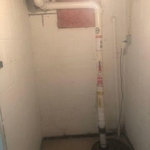
Your radon fan needs to operate 24/7 to be effective. The only time the fan isn't operating is during its replacement. Radon levels in the home can increase within hours if the fan stops working or something obstructs the stack vent. Fortunately, radon systems require no downtime maintenance between fan changes.

Mitigation can take several days depending on home setup, equipment accessibility, and achieving effective diffusion system sealed efficiency.

Installing a mitigation system reduces radon levels, which can cause lung cancer, providing peace of mind and long-term health benefits. It can also increase your home’s value, as many buyers prefer properties with radon safety measures in place. The investment is relatively low compared to the potential health risks associated with prolonged radon exposure.

You'll need to test your home for radon after installing the mitigation system, then again every two years. If radon remains elevated, contact a licensed radon professional, either the contractor who installed the system or a different one, and have them evaluate the system. They may need to make some changes to improve its effectiveness and performance.

The soil beneath your house is most likely what’s causing an increased level of radon. This is because soil holds radioactivity for a long time and it’s also what most buildings are built on. Another common source of radon is water from a source that hasn’t been through periodic radon tests, such as well water. Over time, the radon from the soil can inhabit other parts of your house like the foundation or plumbing.

The Crescent, PA homeowners’ guide to radon detection and reduction services

From average costs to expert advice, get all the answers you need to get your job done.