



Top-rated arborists.

Get matched with top arborists in Bartonsville, PA

Enter your zip and get matched with up to 5 pros

Need a pro for your arboricultural service project in Bartonsville, PA?

Select your specific project to find the pro for you.

TRUSTED BY BARTONSVILLE, PA HOMEOWNERS

  • Average homeowner rating star icon4.5
    Average homeowner rating
  • Verified reviews icon605
    Verified arboricultural services reviews

Find Arborists in Bartonsville

Avatar for Sara's Landscaping
Sara's Landscaping
4.5(
55
)
Tree RemovalTree Trimming

Serving Bartonsville, PA and surrounding areas

Approved

Super Service Award Winner

Customers say: True professional

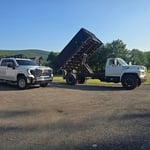
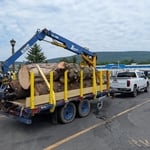
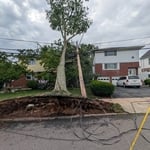
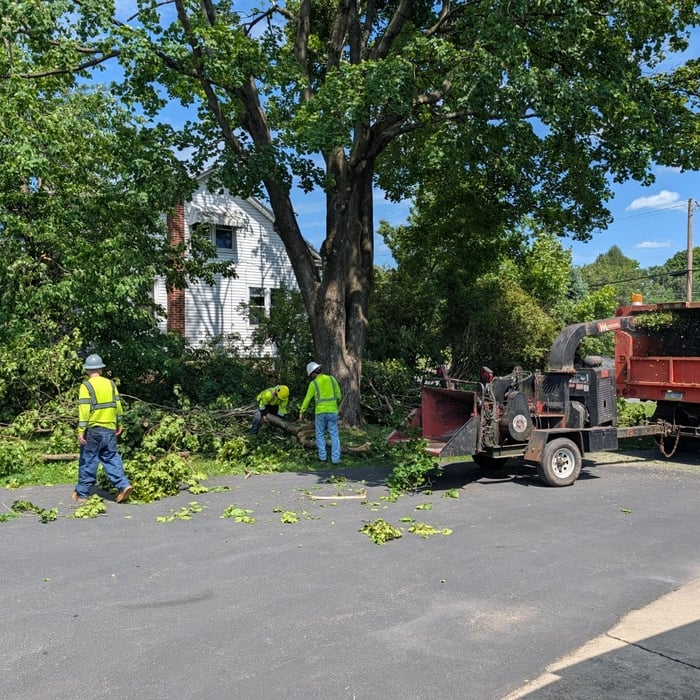
"Very professional paid attention to all details required to chip chop wood from fallen dead trees & shrubs lying down in back yard stacked a wood wall ready for use in outdoor fire pit grinded old dead trees trucks into the ground cleaned everything up nicely. Would highly recommend and am hiring again for other landscaping projects on my property."
Additional Photos
Additional Photos
Additional Photos
Additional Photos
Additional Photos

+19

Response time1 day
Response rate100%
Recommended by79%of homeowners
Avatar for Lawn lovers landscaping
Lawn lovers landscaping
New to Angi
Tree Removal - For BusinessTree Stump - Remove - For BusinessTree Trimming - For Business

Serving Bartonsville, PA and surrounding areas

Approved

I'm Darren I have 10 years of construction experience I'm OSHA certified I offer many services including lawn and property maintenance, tree service, junk removal, excavating and more. I service Scranton Pa, wilkesbarre Pa, Tunkhannock PA, and surrounding areas and also Binghamton NY vestal NY, and owego NY, \n

1 neighbors recently requested a quote
...
Showing 1-10 of 112
Arborists questions, answered by experts

Most tree removals take 3-8 hours, requiring additional time for stump grinding or debris hauling.

A chainsaw is the best tool to cut down a tree, but you may also use a handsaw or ax. You may also want to use a lopper or pole saw to remove limbs before cutting down the tree. Wear chainsaw chaps and protective gear, including eyewear and earplugs if you use a chainsaw. Again, if you’re unsure about how to use this tool, this project may be one to skip.

There are several methods to hollow out a tree stump, and the best one depends on your tools, experience, and priorities. Common methods include using a chisel and hammer, a chainsaw, or burning.

  • Chisel and Hammer: This is often considered the easiest approach for those with limited tools or experience, though it is the most time-consuming.

  • Chainsaw: Using a chainsaw is the fastest method, but it comes with significant safety risks, especially for inexperienced users.

  • Burning: This can be an effective method, but it is not recommended unless you can first drill holes into the stump. Without holes, the stump will be difficult to light and may not burn completely through.

A power drill with at least a ⅜-inch diameter bit can make the job quicker and easier, regardless of the primary method. While you can use a chisel or chainsaw without a drill, it will require more time and effort. Always wear protective goggles and thick gloves, as splinters are an inevitable risk.

An arborist specializes in tree care, performing tasks such as pruning, treating diseases, and removing hazardous trees. They also assess soil conditions, plant trees, and develop landscaping plans to ensure healthy growth. They also manage debris cleanup, inspect equipment, and record maintenance activities. Arborists often collaborate with landscapers and professional tree maintenance services, applying their specialized knowledge and problem-solving skills to maintain tree health and safety.

Not all leaning trees are dangerous, but they can be a hazard as gravity may eventually cause them to fall. A key factor is whether the lean is new or has been present for a long time. Trees that have grown with a lean for years are not typically an immediate danger, but a sudden lean is a cause for concern as it often indicates weakening roots. If a tree is leaning more than 15% from vertical, you should consider having it straightened or transplanted. To be safe, it's always best to hire a professional arborist to inspect any leaning tree to assess the risk and avoid potential accidents.

The Bartonsville, PA homeowners’ guide to arboricultural services

From average costs to expert advice, get all the answers you need to get your job done.