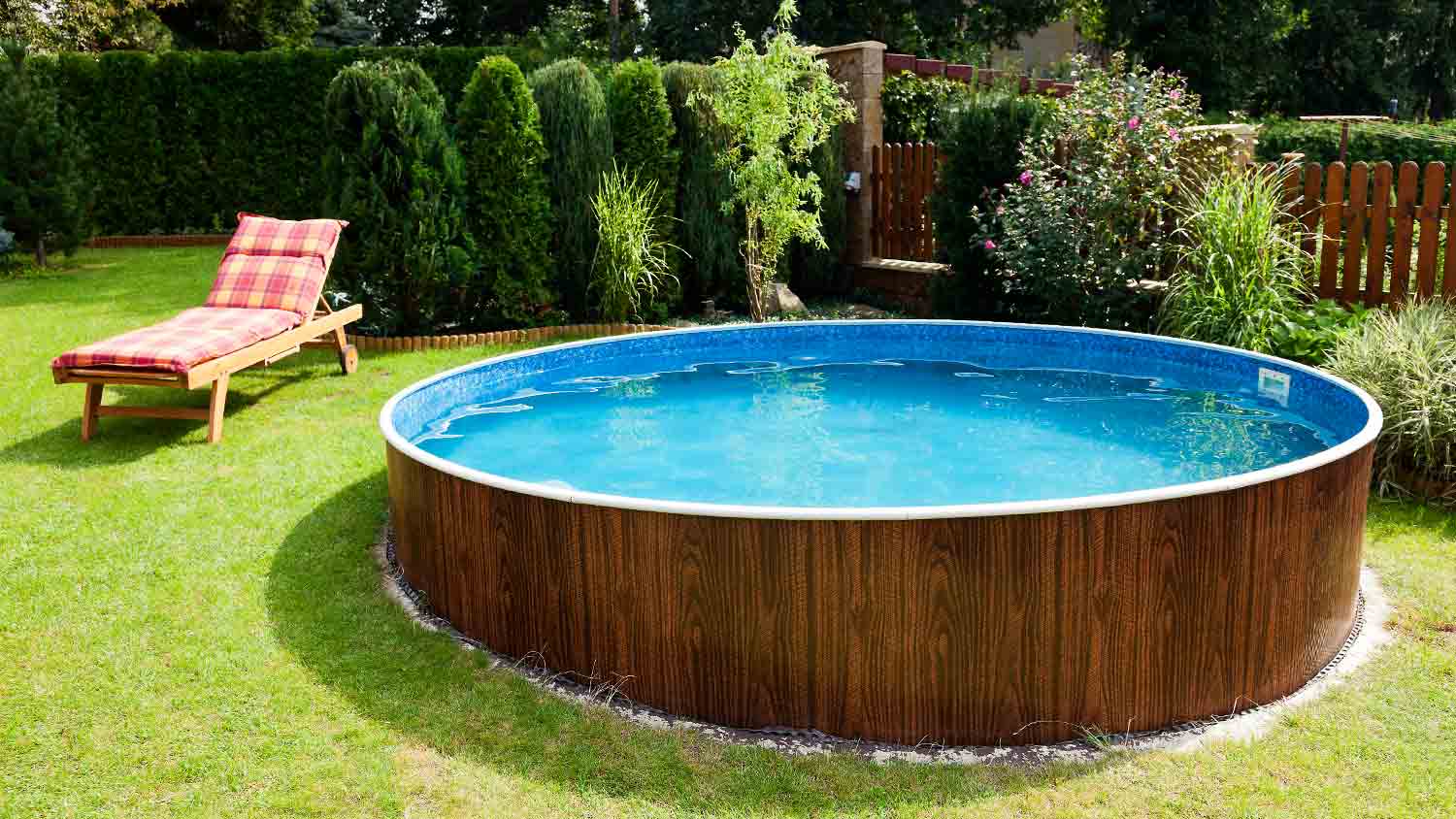





Top-rated above ground pool installation pros.

Get matched with top above ground pool installation pros in Union, OR

Enter your zip and get matched with up to 5 pros

Need a pro for your above ground pool installation project in Union, OR?

Select your specific project to find the pro for you.

Find Above ground pool installation pros in Union

Avatar for American Home Shield – Home Warranty
American Home Shield – Home Warranty
3.5(
5,689
)
Above Ground Swimming Pool or Accessories - Repair or Service

Serving Union, OR and surrounding areas

In business since 1971

Credit card accepted

"One oven doesn't work at all ( my choice, see above), the "working" oven was never calibrated properly so using it is hit or miss. It's time to call American Home Shield to see about replacing the entire unit. I'm waiting to finish other home projects before calling them. I don't know if I'll request Greenway again."
Additional Photos
Additional Photos
Additional Photos
Additional Photos
Additional Photos

+2

Recommended by65%of homeowners
Install Above Ground Pools questions, answered by experts

No, stock tank pools do not get too hot, even when they are set up in a sunny location. Many stock pools are made with galvanized steel and are designed not to get too hot to touch. When your pool is full of water, it is less likely to get hot. The water might be warmer than it would be in an above-ground pool, but it will not be uncomfortable.

If you have kids and want to be extra cautious about the temperature of the stock tank, you may want to set up an umbrella for shade over the pool area.

Chlorine performs several functions, depending on where and how you use it. In drinking water, chlorine in small amounts kills potentially harmful bacteria. It's also a common ingredient in detergents for its whitening properties. Most people associate the chemical with pool use, where it works to kill and control bacteria, germs, and viruses in the water. 

Water only runs through a pool heater when not in use if the heater doesn’t have a bypass system. A bypass system stops the flow of water through the heater when not in use. If you don’t have one, then yes, water will still run through the pool heater even when not in use. Not having a bypass system may increase the effects of wear and tear on your pool heater or disrupt the water’s chemical balance.

Yes, it's normal for pool pumps to make noises—like a humming or gentle rumbling sound. But if your pool pump is making loud noises, then this could indicate an underlying problem. Sounds to keep an ear out for include grinding, whining, screeching, and banging noises. Also, pay attention to any new or louder sounds emanating from your pump.

Generally, you do not need to drain your pool to convert it to a saltwater system. The main exception is if you have used an antibacterial agent containing polyhexamethylene biguanide to sanitize your pool, as these sanitation products do not mix well with saltwater systems. If this is the case, you will need to start fresh. You can either drain the pool or treat the existing water with a high dose of chlorine to remove the antibacterial agent. If you choose the chlorine treatment, wait several days to allow the chlorine to work before proceeding with the conversion. If you are unsure whether this applies to your pool, consult a pool technician.

The Union, OR homeowners’ guide to above ground pool installation services

From average costs to expert advice, get all the answers you need to get your job done.