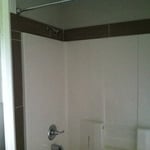
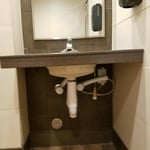
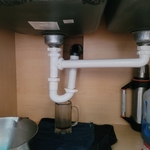
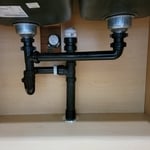
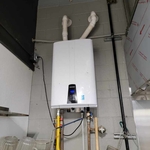
"Joe help replace outdated plumbing connections and updated fixtures in my elderly motherâ s home. Very professional and gave us suggestions that saved us money."
"The plumber didn t tell me before he installed it that the handle I bought for the toilet didn t fit right and would cause the lid to fall down. Also was a little overly friendly, giving my dog a treat without asking."
"I will definitely hire Anchor Plumbing for my next project. They worked within my budget and even did a little extra. Their suggestions were well explained. Derek and Carlos worked very fast and consulted with me throughout the project. Thanks"
Completing a full standard bathroom remodel offers the best value, with an average return on investment (ROI) of 70%. However, you don't need a full remodel to make an impact. To maximize value, focus on key components like flooring, the tub and shower, vanity, and cabinets. High-value upgrades include installing a walk-in shower, resurfacing a tub, retiling, or expanding the shower. For more budget-friendly options that still increase value, consider repainting with a light, neutral color, or updating the mirror and light fixtures. It's also crucial to address any necessary repairs, such as leaks, mold, or cracked tiles, as buyers will notice these issues. Avoid flashy upgrades like bathtub jets or steam showers, which don't add as much value.
No, your toilet tank should not empty completely when you flush. Although the water level will dip a lot after you flush, it shouldn’t be totally empty. If your tank is empty, you might have issues with your fill valve, float ball, or toilet trip lever. You should check all of your toilet parts to ensure they’re working correctly and make any necessary adjustments.
The amount of water wasted when a toilet ghost flushes depends on the cause of the ghost flushing. Leaky flapper valves tend to waste less water than a larger problem like a damaged flush valve that makes the toilet run constantly. Even if you don’t think you’re wasting a lot of water, it’s still a problem that should be fixed quickly.
The most practical and common setup is a toilet that connects with the sewer line or a septic tank. However, it is possible to install a toilet without a sewer line, and this can be particularly helpful in basements with no or outdated plumbing. An increasingly popular option is an environmentally friendly composting toilet. Other waterless options include incinerating or dry flush toilets, which pull the waste into an airtight container.
The main cause of bathroom leaks is seals and connectors that loosen or deteriorate over time, causing leaks to develop. It's important to stay on top of your bathroom materials, as toilets, showers, and sinks all have different lifespans. Toilets and faucets last between 10 and 15 years on average with regular maintenance, but different parts may have shorter lifespans than others.
The Turner, OR homeowners’ guide to toilet services
From average costs to expert advice, get all the answers you need to get your job done.
Everyone can relate to having toilet issues—we’ve all been there. There are several reasons why your toilet might need repairs, and the cost varies based on the damage.
Toilets are a mainstay of American bathrooms, but is it time for a bidet? Before you decide, here’s everything you need to know about bidets versus toilets.
Remodeling a bathroom? Toilet dimensions matter more than you think. This guide will tell you everything you need to know—from seat height to clearance.
Understanding the types of toilets you can install in your bathroom is essential. You don’t have to stick to traditional two-piece gravity-flush toilets.
Before purchasing and installing a new toilet, you need to know the toilet rough-in measurement to ensure proper integration. Here’s how to get it done.