

Top-rated toilet pros.

Best toilet pros near Corvallis, OR

Enter your zip and get matched with up to 5 pros

Need a pro for your toilet service project in Corvallis, OR?

Select your specific project to find the pro for you.

TRUSTED BY CORVALLIS, OR HOMEOWNERS

  • Average homeowner rating star icon4.1
    Average homeowner rating
  • Verified reviews icon1.3k+
    Verified toilet services reviews

Top-Rated Toilet pros in Corvallis - Updated Nov 2026

Showing 1-10 of 48
Toilets FAQs, answered by experts

According to the Uniform Plumbing Code (UPC), the distance between your trap and the vent should be no more than 6 feet. For your vent to work properly, it needs to feed into the drain line within 6 feet of trapways that connect to it. Using this formula, you should be able to determine whether you will need multiple vent lines.

Yes, frozen pipes can cause a toilet to stop working correctly. If the pipes are frozen, water cannot flow, which can lead to two main problems. First, the supply line to the toilet tank may be frozen, which prevents the tank from refilling with water after you flush. Second, the drain pipe itself can freeze, blocking water from flushing away. As a temporary solution for a non-refilling tank, you can manually add water, but this is not a long-term fix. To clear a frozen drain pipe, you can try pouring warm water into the toilet bowl or tank and then flushing, as the warm water may help thaw the ice blockage. Ultimately, the best course of action is to unfreeze the affected pipes to restore your toilet to full functionality.

Yes, you can pour water down the toilet to help it flush. For each flush, you’ll need 1 to 2 gallons of water for newer toilets or 3 to 5 gallons of water for older toilets. Rather than dumping the entire bucket in all at once, pour the water in slowly for the best results. If you’re pouring water down the toilet to help it flush after a clog, only use 1 gallon of hot water.

The main cause of bathroom leaks is seals and connectors that loosen or deteriorate over time, causing leaks to develop. It's important to stay on top of your bathroom materials, as toilets, showers, and sinks all have different lifespans. Toilets and faucets last between 10 and 15 years on average with regular maintenance, but different parts may have shorter lifespans than others.

The lifespan of a toilet can vary significantly. While the porcelain body itself can last up to 50 years or more with proper care, most plumbers suggest an average functional lifespan of 10 to 25 years, and many homeowners replace their toilets after about 20 years.

A toilet's longevity is influenced by factors like maintenance quality, hard water buildup, and damage to the finish. It's also important to note that internal components have much shorter lifespans than the bowl; for example, flappers may last only a few years, while fill valves can last around 10 years.
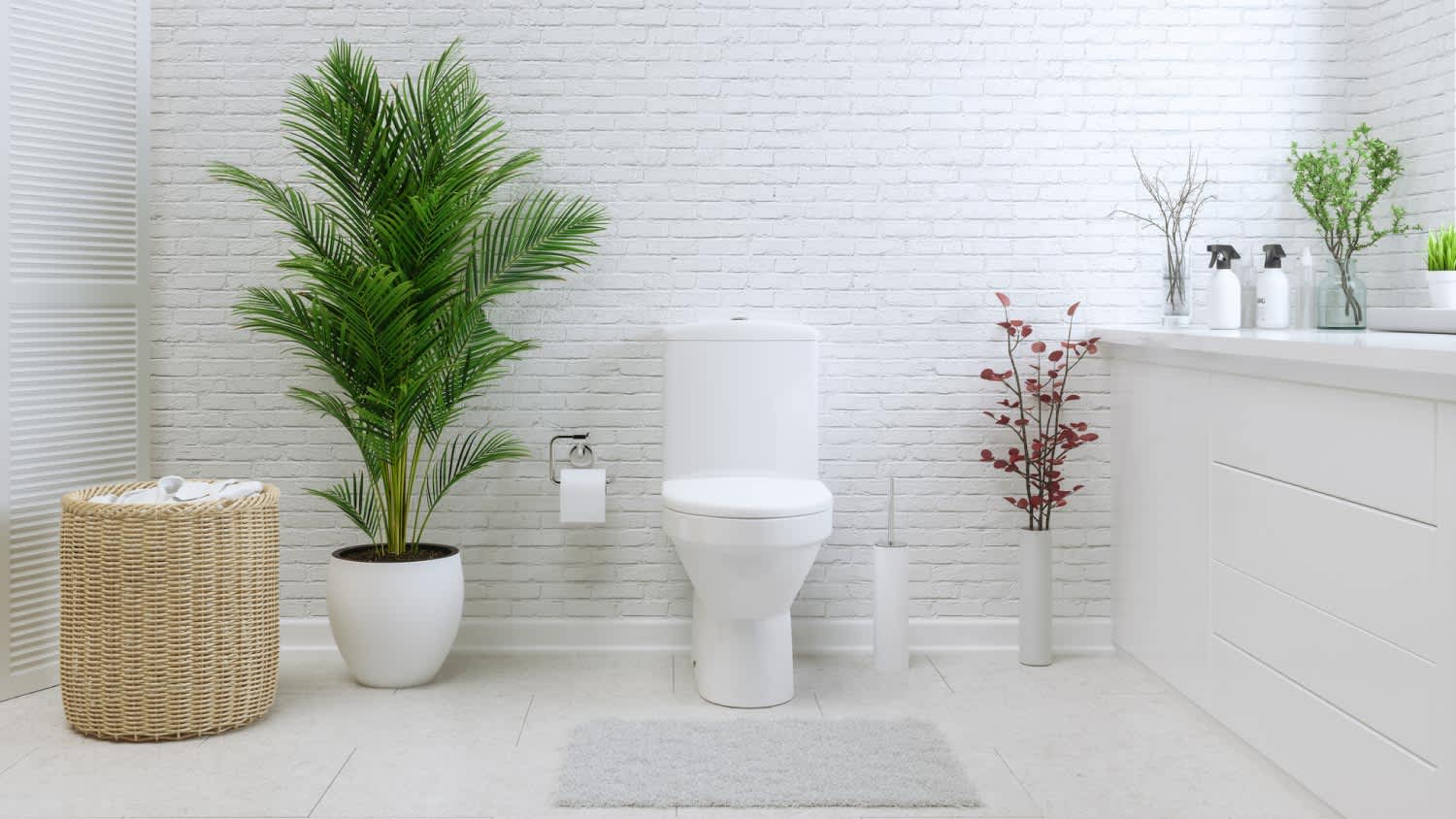
Even if an older toilet is still functional, consider upgrading to a high-efficiency model to save on water costs.

The Corvallis, OR homeowners’ guide to toilet services

From average costs to expert advice, get all the answers you need to get your job done.