



Top-rated above ground pool installation pros.

Get matched with top above ground pool installation pros in Trail, OR

Enter your zip and get matched with up to 5 pros

Need a pro for your above ground pool installation project in Trail, OR?

Select your specific project to find the pro for you.

Find Above ground pool installation pros in Trail

Avatar for American Home Shield – Home Warranty
American Home Shield – Home Warranty
3.5(
5,688
)
Above Ground Swimming Pool or Accessories - Repair or Service

Serving Trail, OR and surrounding areas

In business since 1971

Credit card accepted

"One oven doesn't work at all ( my choice, see above), the "working" oven was never calibrated properly so using it is hit or miss. It's time to call American Home Shield to see about replacing the entire unit. I'm waiting to finish other home projects before calling them. I don't know if I'll request Greenway again."
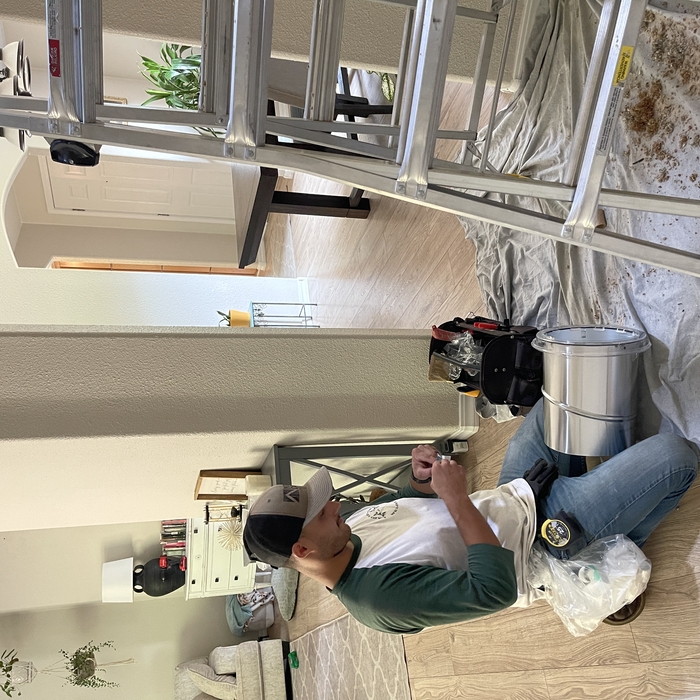
Additional Photos
Additional Photos
Additional Photos
Additional Photos
Additional Photos

+2

Recommended by65%of homeowners
Install Above Ground Pools questions, answered by experts

A pool chiller will take anywhere from 12 to 14 hours to lower your pool's temperature by 1 to 15 degrees. Most people tend to run their coolers overnight, but larger pools in warm climates take longer to cool. Choosing a chiller with the right capacity can help speed up the process.

Unless you have an alternative to chlorine in your pool to prevent bacteria and viruses from taking up residence in your water, it’s not safe to swim in a pool without enough chlorine. According to the Centers for Disease Control and Prevention (CDC), swimming in a pool with insufficient chlorine could lead to skin and eye irritation, ear issues, respiratory distress, such as coughing and congestion, and various other health issues. Always make sure your chlorine levels are healthy and stable before swimming for proper pool safety.

It’s a good idea to wait at least 24 hours after opening your pool before you swim in it. Pool opening often involves shocking the water, and the chemical levels need to come down a bit before it’s safe to swim. You can continue testing your water pH and chlorine levels if you’re in a rush. It’s wise to wait until your chlorine levels drop to under four parts per million (ppm) and you have a water pH of between 7.2 and 7.8. You can artificially lower your water pH to speed up the process.

If you don’t bond a pool, you risk electric shock for those walking around or swimming. Bonding creates safe pathways between the electricity needed to run the pool and metallic parts also necessary for the proper function of the pool. Once the pool is bonded, it’s ready for grounding, the second step in creating an electrically safe pool.

Most of the time, though there may be some code variations on the local level, a water source like a pool requires a GFCI breaker. These breakers detect electrical leaks of 5 mA or more and trip the breaker. However, the size of the pool and motor type determine the exact GFCI needs. A GFCI outlet with a reset button may be enough for an aboveground pool with a small motor or pump. Consult a pool electrician to determine the appropriate installation and protection measures needed for your pool.

The Trail, OR homeowners’ guide to above ground pool installation services

From average costs to expert advice, get all the answers you need to get your job done.