





When pests show up, so do we.\n\nFor nearly a century, Terminix® has been one of America's most trusted names in pest control. Every day, our exterminators serve thousands of homes and businesses nationwide, combining national service with local knowledge to provide best-in-class, proactive pest management solutions. We stop problems before they start and respond quickly if issues arise, keeping your property protected.\n\nAnd for extra peace of mind, if pests come back, so do we‐guaranteed.\n\nThe Terminix It Guarantee means that if pests come back, so do we to re-treat at no additional cost. No excuses, just a commitment to care for your home like it's our own with protection you can trust.3
The brown recluse has numerous predators in the wild (or close to your home). They are a valuable part of the ecosystem, too. Their predators often include birds, praying mantis, crickets, chickens, spider wasps, and more. However, the brown recluse spider is a master at hiding, making it much more difficult for predators to hunt them.
Identifying the specific animal running on your roof at night can be challenging without direct observation. Common nocturnal roof visitors include raccoons, squirrels, opossums, and rats. Raccoons are bigger and can create heavy thumping sounds. Squirrels are agile and may produce rapid scurrying noises. Opossums tend to move stealthily with less noise. Rats can make scratching or gnawing sounds. To determine the culprit, look for signs like footprints, droppings, or damaged areas near the roof. For accurate identification, consult a pest control professional or set up wildlife cameras near potential entry points.
High-frequency bird repellent devices are effective at driving away birds, which is their intended purpose. However, these devices also tend to have unintended negative consequences. For example, if you or your neighbors own pets, the high-pitched noise emitted by these electronic devices will cause them distress and may even make them aggressive.
Legal considerations include adherence to local and federal wildlife protection laws, particularly for species that might be protected or endangered.
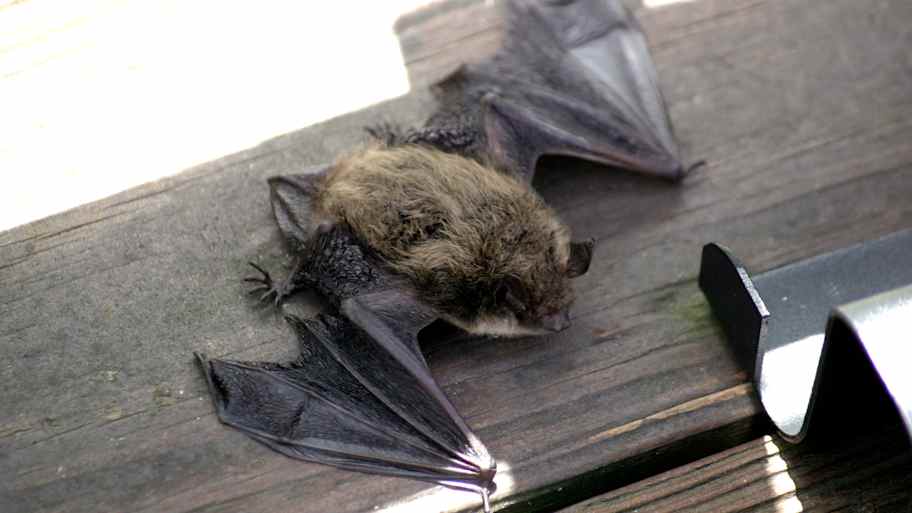
No, mothballs do not keep bats away. Not only are mothballs completely ineffective when repelling or removing bats, but using them could be illegal, depending on where you live. Remember, bats are federally protected, and it's illegal to use chemicals during the removal process, and mothballs tend to fall into this category.
The The Dalles, OR homeowners’ guide to bird control services
From average costs to expert advice, get all the answers you need to get your job done.
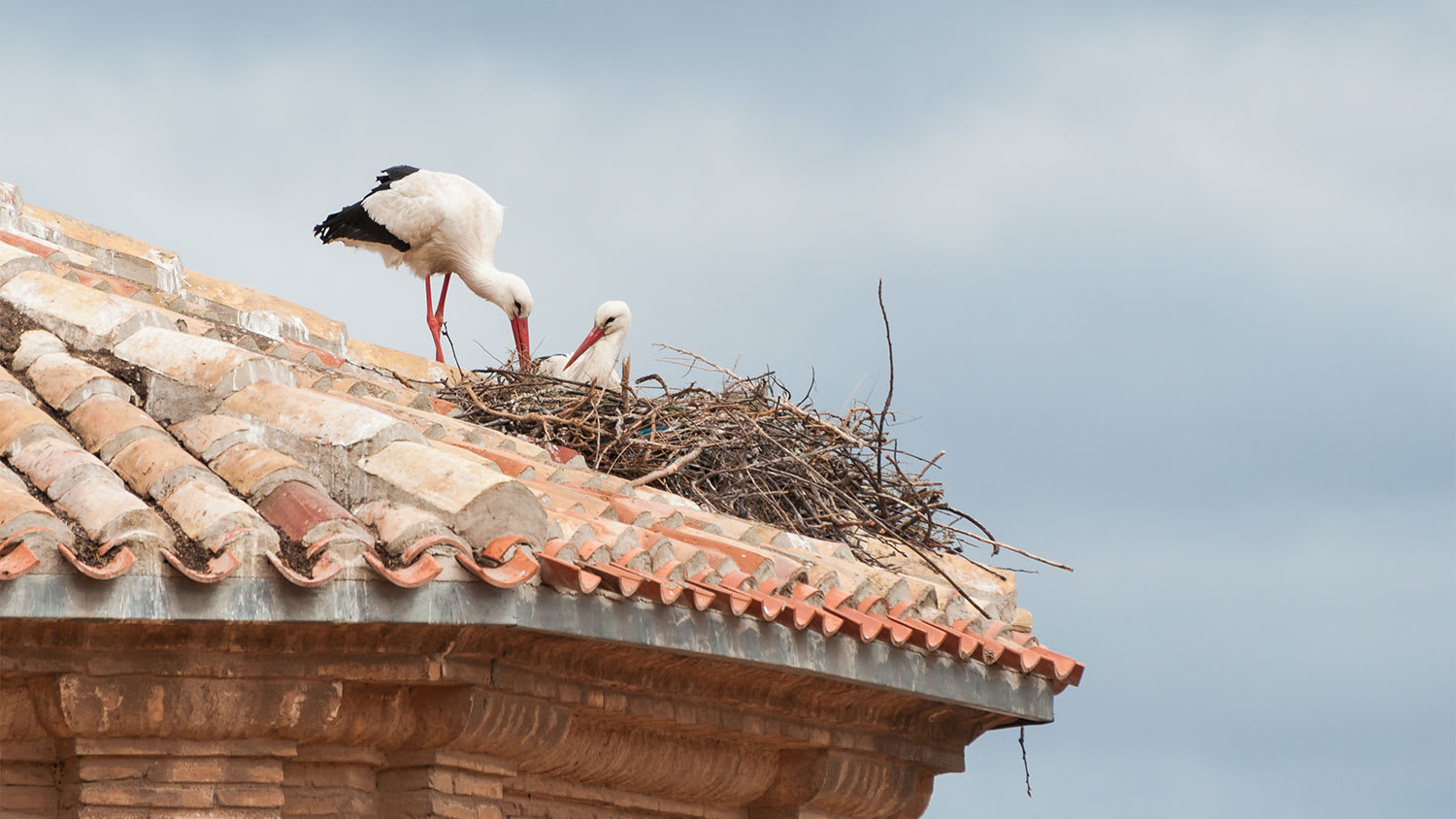
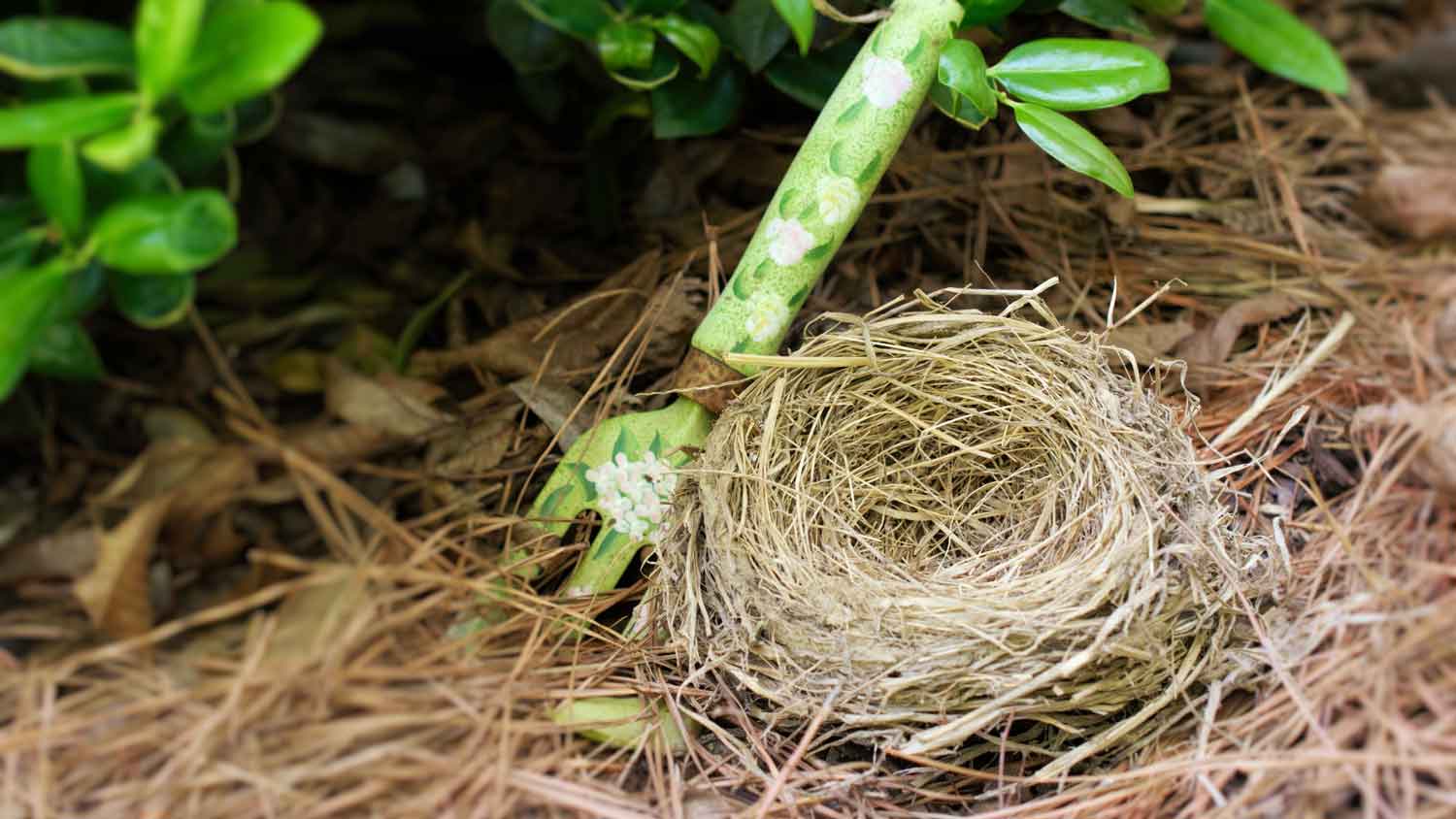
Sometimes birds nest in unwelcome places. Find out how much bird nest removal will cost based on factors like location, bird species, and preventative measures.