When pests show up, so do we.\n\nFor nearly a century, Terminix® has been one of America's most trusted names in pest control. Every day, our exterminators serve thousands of homes and businesses nationwide, combining national service with local knowledge to provide best-in-class, proactive pest management solutions. We stop problems before they start and respond quickly if issues arise, keeping your property protected.\n\nAnd for extra peace of mind, if pests come back, so do we — guaranteed.\n\nThe Terminix It Guarantee means that if pests come back, so do we, to re-treat at no additional cost. No excuses, just a commitment to care for your home like it's our own with protection you can trust.
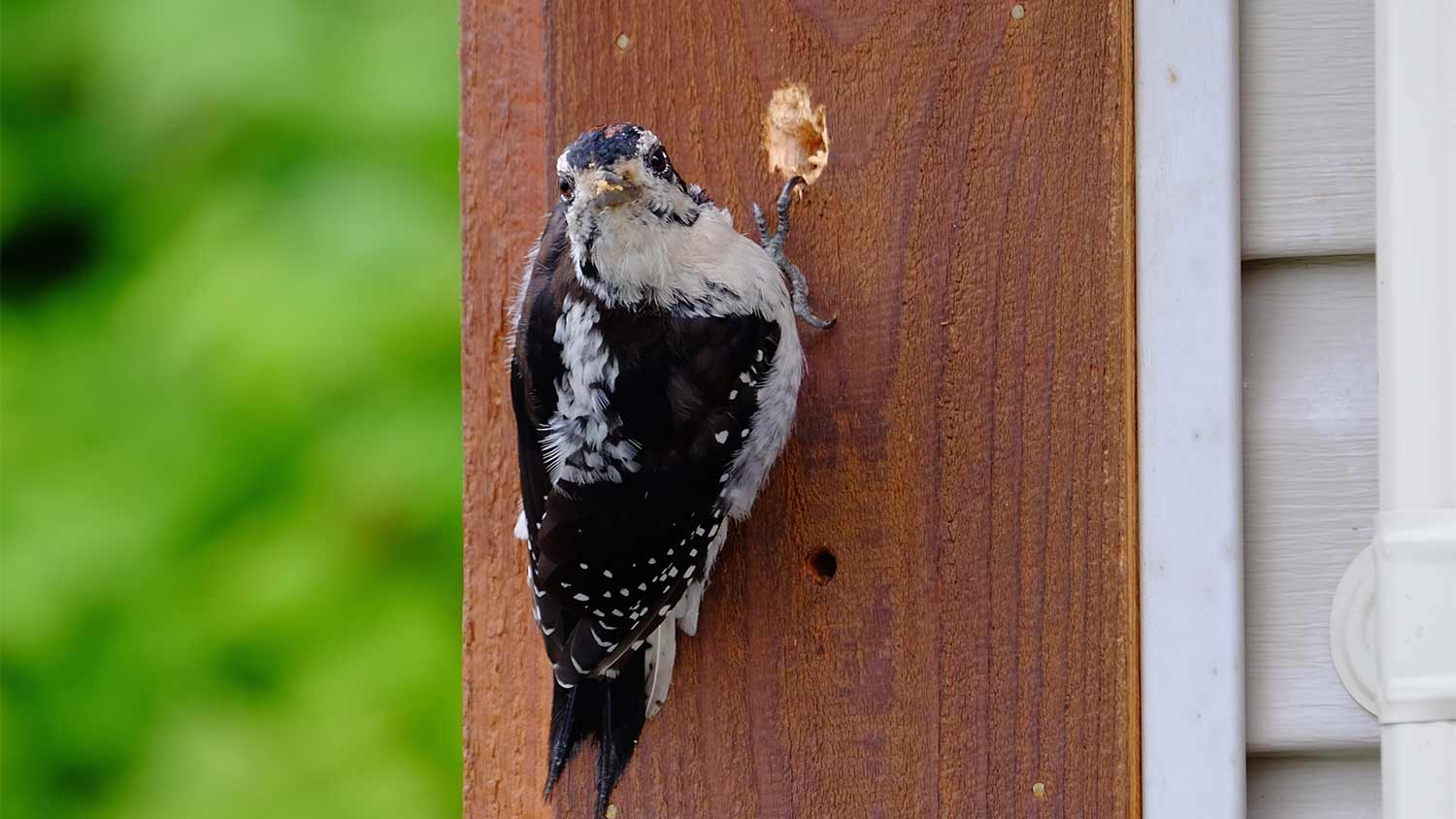
Strong scents like peppermint, rosemary, lavender, citronella, and others can repel woodpeckers—as pungent smells can overpower their senses. For that reason, you might consider making a homemade spray with one or a combination of these scents to spritz around areas of your home where woodpeckers frequent.
Trees that provide a habitat to bats and an abundance of bugs—their main food source—will attract bats to your yard. Because the North American landscape has changed so much in recent years, bats have a harder time finding trees with cavities to shelter in. If your yard has a dead or dying tree with a lot of sun exposure, bats will likely be drawn to it because trees with those features are less common.
The cost of pest control services depends on various factors, but the average homeowner pays around $175, with a typical range of $100 to $500. Your final cost will be influenced by the type of pest, the size and severity of the infestation, and the number of treatments needed.
Service costs also vary by frequency:
One-time service: $300–$550
Initial visit for ongoing service: $150–$300
Monthly visits: $40–$70
Quarterly visits: $100–$300
Annual visits: $300–$550
For specific pest examples, getting rid of spiders typically costs between $100 and $300, whereas a termite infestation can cost from $230 to $2,500 or more, depending on the extent of the damage.
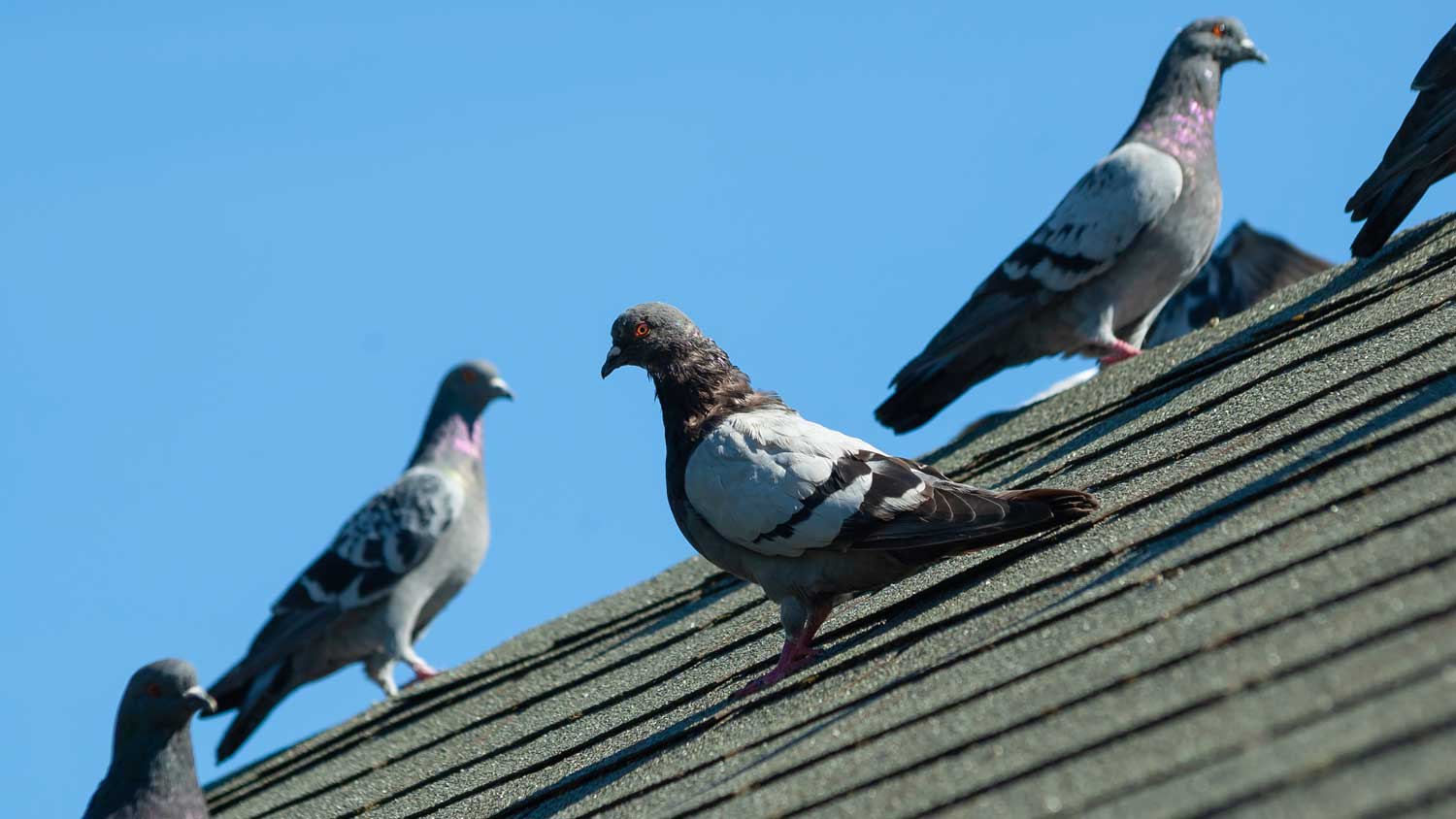
It's advisable to avoid using harmful methods to eliminate birds. Poisoning birds is inhumane and can have unintended ecological consequences, affecting other wildlife and pets. Similarly, using firearms or other lethal means poses safety risks and could be illegal in many areas. Sticky substances like adhesives can cause birds to become trapped and injured. Lastly, playing excessively loud or distressing noises can stress birds and humans. Focusing on humane and environmentally responsible strategies is essential when dealing with bird issues.
When it comes to keeping birds from doing their business on your porch rails, you have several DIY options and home remedies you can try:
Tie a fishing line from one end of the deck post to the other. Birds won’t be able to see the line across the railing, so they can’t land on it.
Hang wind chimes close by, which may scare birds away.
Apply a bird gel repellent to the railings, which contains smells that birds generally don’t like. Or, similarly, you can apply citronella or lemon oil around the railings, since birds don’t like strong smells.
The Condon, OR homeowners’ guide to bird control services
From average costs to expert advice, get all the answers you need to get your job done.
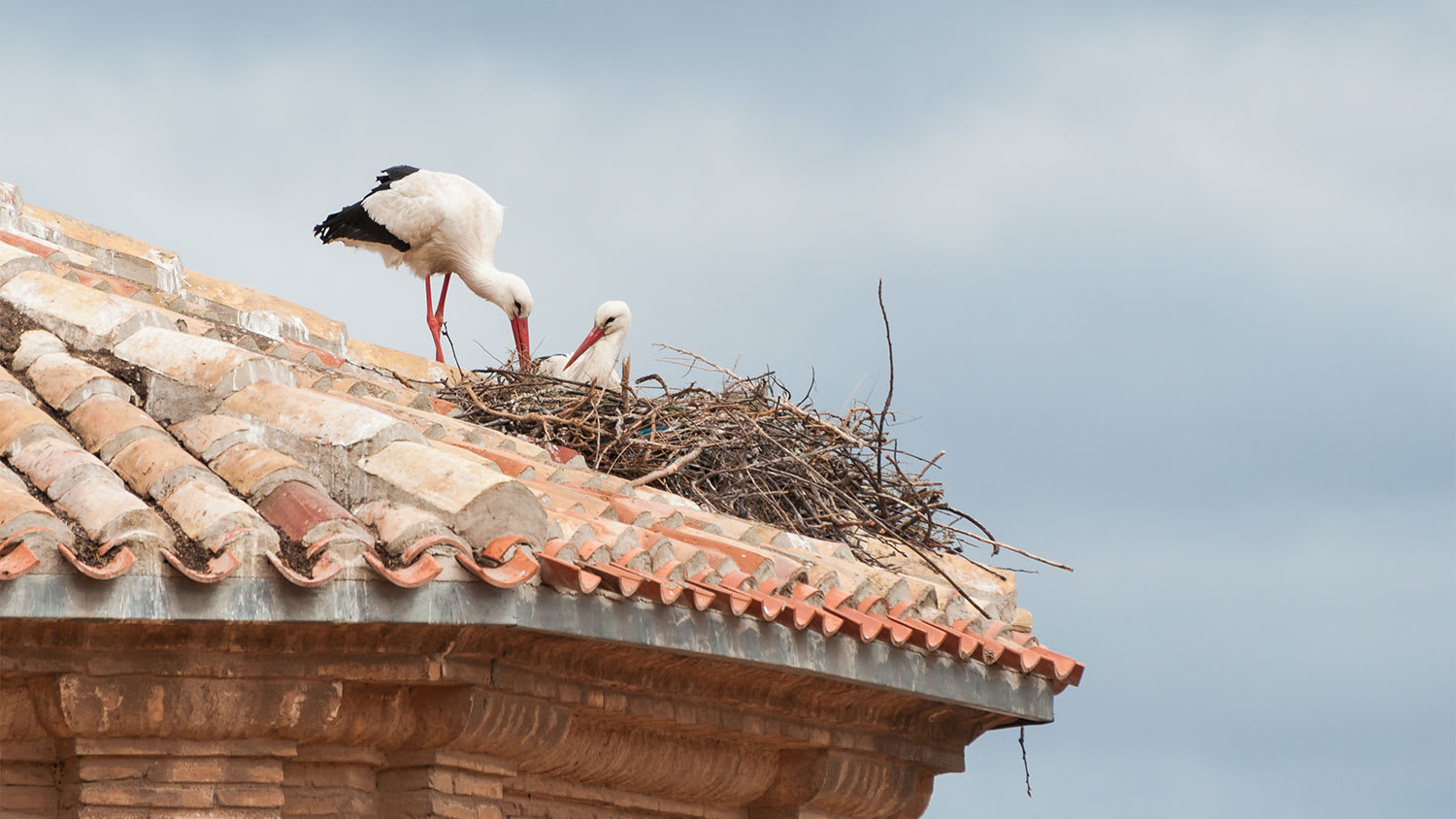
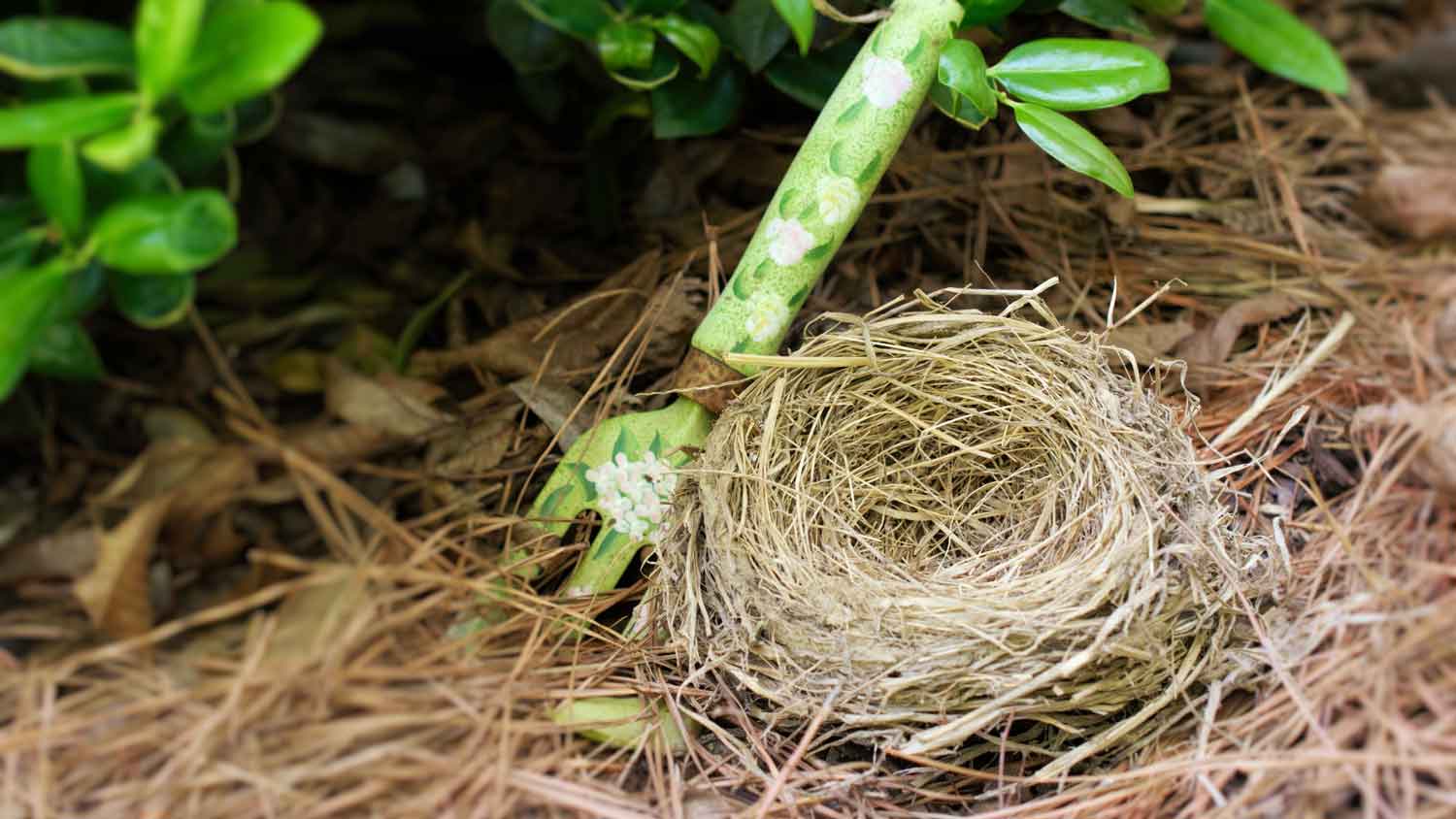
Sometimes birds nest in unwelcome places. Find out how much bird nest removal will cost based on factors like location, bird species, and preventative measures.