

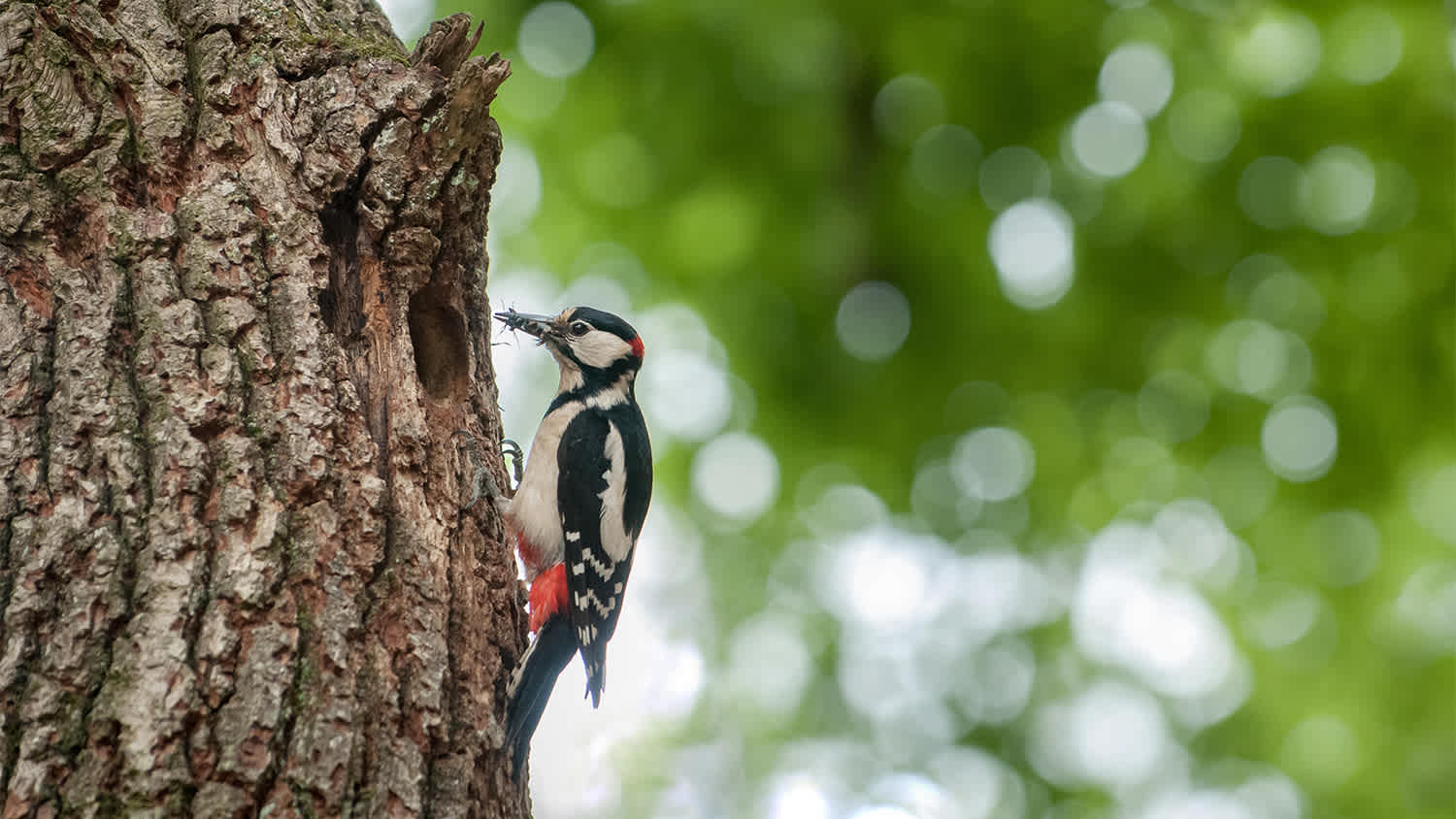
Notice a knock-knock-knock on your walls or roof? It may be time to learn how to fix woodpecker holes before they get any worse.
If woodpeckers pick your place to peck, it’s time to send them packing

Woodpeckers peck at your house when searching for insects like termites, ants, or spiders hidden beneath your siding or wood surfaces.
Expect to pay $450 to $600 for professional bird nest removal, with major infestations reaching up to $2,000 depending on the work required.
You can deter woodpeckers by hanging reflective items like mirrors or foil, installing motion-activated sprinklers, or sealing existing holes with wood putty.
Hiring a local bird control professional ensures removal stays legal and humane, protecting both your home and the woodpeckers while addressing nesting issues.
Even the most avid bird watchers may cringe at the sound of woodpeckers pecking away at their homes. Luckily, learning how to stop woodpeckers from pecking your house is relatively easy.
If you notice signs of woodpeckers around your home, you’ll want to take action quickly to prevent them from damaging your siding. The North American Migratory Bird Act protects woodpeckers from lethal control methods and prevents you from moving their nests, but you can still try out some of these prevention tips. Here are seven ways to stop woodpeckers from pecking at your house.
Here are the outlet types you find in most U.S. homes:
15-amp, 120-volt (2-prong and 3-prong): The standard household outlet for lamps, TVs, and chargers.
20-amp, 125-volt: A higher-power outlet for kitchens, laundry rooms, and workshops.
240-volt (20-amp to 50-amp): A large-appliance outlet for dryers, ranges, and EV chargers.
GFCI: A shock-protection outlet for kitchens, baths, and other wet areas.
AFCI: A fire-protection outlet for bedrooms and living spaces.
Tamper-resistant: A child-safe outlet with internal shutters, now standard in new homes.
Weather-resistant: A corrosion-resistant outlet built for outdoor use.
Convenience types: Switched, combination, USB, smart, and rotating outlets.
First thing first: If you have an abundant food source for woodpeckers, they’ll continue to rummage through your siding in search of a tasty meal. Check for signs of termites, spiders, and ants before investing in other prevention methods. If you have an infestation, your initial step should be to cut off the food supply and protect your home from the root of the problem.
To prevent woodpeckers from making even larger holes, you can fill existing holes with wood putty to discourage them from nesting in that location. If you have old siding, consider replacing it with vinyl siding or aluminum siding, which deter birds.
Alternatively, you can place aluminum foil or flashing over the woodpecker’s excavation site to deter further excavation. This solution also prevents incessant drumming, as woodpeckers generally don’t like shiny objects.
You can also try hanging mirrors or sticking mylar tape near the area. Other reflective options that drive woodpeckers away include shiny helium balloons and reflective streamers. If you have old music CDs, create a mobile using these shiny discs.
Items that naturally move in the wind, such as pinwheels, wind chimes, or windsocks, also often deter woodpeckers.
Most people don’t like getting a surprise spray from a sprinkler, and woodpeckers are no different. If you’re dealing with a woodpecker problem, a motion-activated lawn sprinkler system can save the day. If a woodpecker comes to your home, the motion triggers the sprinkler to spray and scare them off.
If you give the woodpeckers a new source of food, they may stop pecking your house and looking for food. Woodpeckers especially like suet, so setting up a suet feeder away from the house may draw them away and keep them satisfied, preventing the need to search for insects in your siding.
Woodpeckers often use roost boxes, shelters ideal for nesting. They provide better protection against cold weather than typical birdhouses. Place roosting boxes near the edges of your property to draw the birds away from your home. The roost box is especially useful if woodpeckers are damaging your stucco to create nests.
You can prevent woodpeckers from reaching your wood siding by installing bird netting over the susceptible parts of your home. While this option might seem unsightly, bird netting doesn’t usually stick out like a sore thumb. Since this option needs to be at least three inches away from your home and taut, it’s best to hire a professional bird removal company near you to install it.
If woodpeckers are feeding on your natural wood siding, you might consider switching out your natural siding material for manufactured materials such as vinyl, fiber, cement, or aluminum.
If you want a siding that contains wood and can stop woodpeckers from pecking your house, a wood composite siding is a good choice. Ash and oak are excellent natural woods for siding that guard against woodpecker holes because both are hardwoods. However, hardwoods increase the cost of the siding job versus softwoods.
Another siding option that’s highly resistant to woodpecker damage is shou sugi ban siding, which involves charring the wood before using it as siding. The charring process removes parts of the wood that insects feed on, reducing the chances of woodpeckers putting holes in it to find insects to eat.

There are other ways to ward off woodpeckers, including adding a few deterrent features to the outside of your home. Try these methods for keeping woodpeckers away:
Hang reflective streamers
Place plastic owls outside your home
Hang a wind sock or large pinwheel
Use a sound system playing woodpecker distress calls
While having a woodpecker peck on your home is an annoyance, this behavior has a reason. Woodpeckers peck when they’re hungry, mating, or nesting. Your home may be a hideout spot for insects, which invites the woodpecker to seek out this food source. Another reason behind this is that loud pecking noises can attract a mate. Or, they’re pecking while building their nest, which may be well-camouflaged by your home.

While it may be tempting to resolve a woodpecker problem on your own, you must ensure that you’re taking legal and humane measures. The Migratory Bird Treaty Act makes it illegal for you to destroy an active nest of certain species. For that reason, it’s always best to hire a bird removal company in your area. Working with a bird removal professional will ensure the removal process is in compliance with federal and state laws.
While your total cost will depend on several factors, such as the number of nests, labor, and the cleanup required, on average bird nest removal costs between $450 and $600. Be prepared for higher costs, though, as some major jobs can cost up to $2,000.
Contact a pro to diagnose any potential damage to your home's siding, as they may be able to identify damage that is difficult to spot.

Follow these methods for repairing damage done to your house by woodpeckers.
Before you begin, note that it’s imperative to remove the bugs that the woodpeckers are attracted to. Otherwise, even after you make the repairs to your siding, it’s very likely the woodpeckers will return and create new damage. Carpenter ants, carpenter bees, and termites are on a woodpecker’s lunch menu; contact a local pest control company to determine which you have and to eradicate them.
Once the insects are gone, you can start fixing any damaged siding. Siding holes can be filled with epoxy putty. Using a putty knife, mix epoxy resin and hardening putty in a 1:1 ratio, then spread the mixture over the holes in your siding. Scrape away any excess, and then let the putty dry for 24 hours. Once completely dry, gently sand it down and, if desired, paint it to match the rest of your siding better.
This method works wonders for a few holes, but you should call in a siding contractor near you if there is extensive damage. Damaged siding can cause water damage, foundation issues, or a big spike in your energy bill, as your siding won’t work properly to insulate your home.
There are many DIY remedies for keeping woodpeckers away from your home. Some remedies can be as simple as adding wind chimes around the home, which scares them away. You can also set up bird netting or use reflective foil tape where the woodpeckers will most likely spend time.
However, if you try several home remedies without any luck, call a local bird removal professional. The price of wildlife removal depends greatly on the severity of infestation and accessibility to the animals.
The guys at PaveWay are top notch. From the estimate to the job being completed,all was done in a timely and professional manner. I myself was a DOT Engineer Inspector(know what to look for) and got to talking with Cameron and he himself was a Contract inspector for a few years,same job as...
 All Star Paving and Sealing
I highly recommend KTM construction! I will look no where else for anything that needs to be done, in or out side of our property. The level of craftsmanship is 5 star service across the board! The level of detail, knowledge and professionalism is 5 star service across the board! Ken is a...
 KTM Construction, LLC
I purchased the "Big Deal": $199.00 for exterior pressure-washing of one- or two-story home up to 2,000 square feet. They cleaned the siding only. I wasn't aware when I bought the Big Deal that they would not do any other surfaces other than the siding (i.e. sides of the gutters or stucco). I...
 Complete Home Services
This brownstone is historical and the carpentry work is very detailed. I was very happy to secure a company in NY and living in OH to complete the request. Wood work on this brownstone has been existing since approximately 1888 and West side did a GREAT JOB. I will not be able to...
 Westside Home Improvement
Nice group of workers, very friendly. Day 1 covered everything before starting, seemed very organized. Things seemed to be going great. Day 2 they didn't show up until around 10:00a.m. and work crew was cut in half, was told they had another job. Day 3 they didn't show up until around...
 CertaPro Painters of Columbus
The work went great! Couldn't ask for better. Joel set a work start date. About the time of the storms that may have been associated with Sandy. He was half a day late. They set up on a Thursday. On Friday they had a full crew at work. By Monday they were finishing up. Now, the best...
 NJW Construction
A few months ago, a tree branch fell across my car, leaving a series of dents across the hood and driver's side fender. I took it to Rife's after reading the Angie's List reviews. Rife's did a great job! My car looks like new. And they made the process as easy as possible. When I came in...
 Rife's Autobody Inc
I received an email from Angie's List offering Car Detailing 4 U's services for $99. Coming from Angie's List, I expected this to be a highly dependable and qualified company that was known for doing exceptional work. I set the appointment for them to come to my home. They were arrive at...
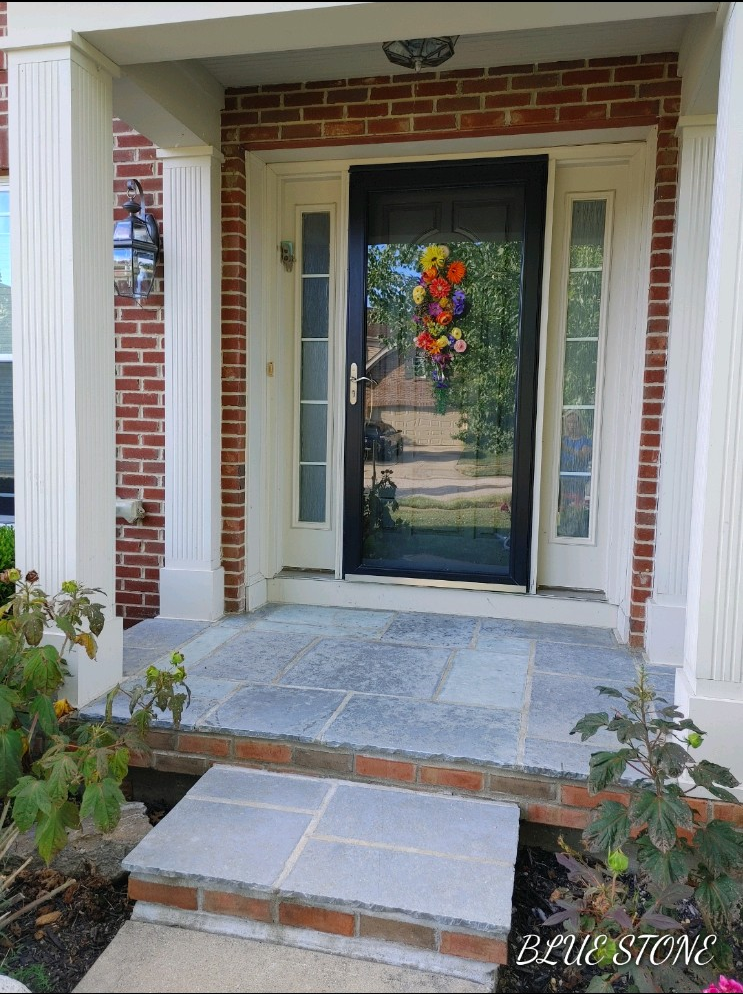
We first had Mark fix the back patio and liked his work so much we had him make a brick patio on the side of the house. When we decided to change our concrete walkway to brick, we wanted Mark to do the job because his prices were fair and he did such good work on t he other two projects.
 Mark Monnette Masonry
I was very pleased with the cost and end result. I truly expected this job to cost me 50% more than it did. When you factor quality and cost, I would highly recommend Mark's services and plan to use him in the future. The best part was, I asked Mark to match the paint color in one section...
 Fresh Touch Custom Painting Inc.
From average costs to expert advice, get all the answers you need to get your job done.
Notice a knock-knock-knock on your walls or roof? It may be time to learn how to fix woodpecker holes before they get any worse.
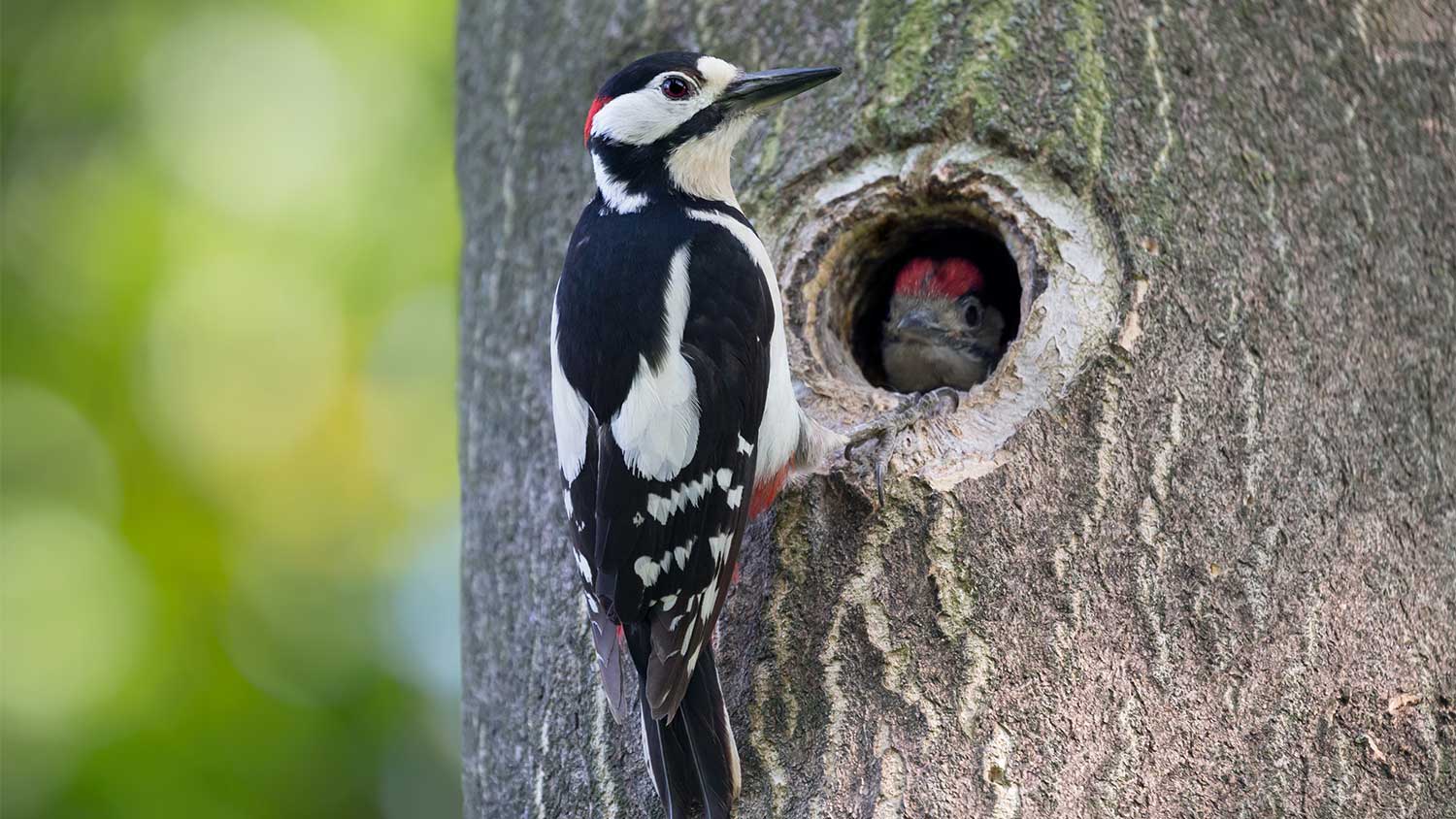
Woodpeckers are pretty birds with a bad habit of drilling holes all over your property. Here's how to get rid of woodpeckers humanely—and for good.
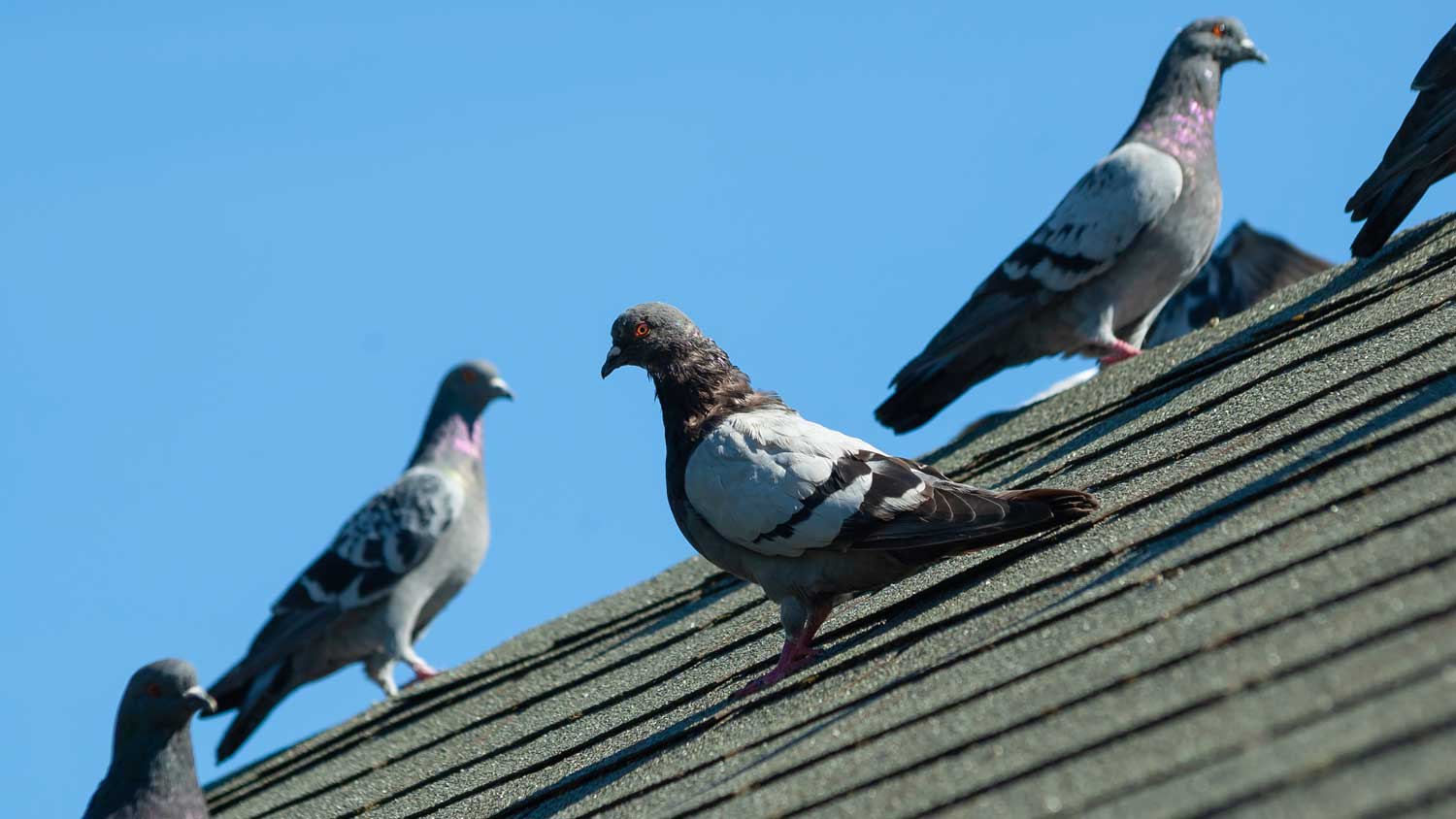
Discover effective methods for how to get rid of birds. From cleaning your yard to adding decoys, learn about humane strategies to shoo avian guests.

A collection of free birdhouse plans for your next DIY project. From simple to unique ideas, learn how to build a birdhouse through instructions and diagrams.

Holes in trees aren’t always a bad thing, but there could be an underlying cause that’s killing your landscaping. Here’s what to do to help your trees.

Rodents can wreak havoc on your house if they build a nest under the porch. Learn how to get rid of rodents under the house and keep them from coming back.