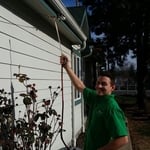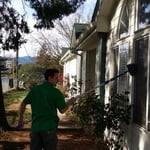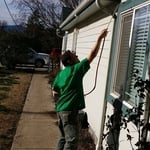
"The inspection was scheduled promptly, the inspector did a careful and thorough job. He provided a somewhat dire assessment on the ant issues (I knew that we had a problem), provided a full suite of things which the company could tend to to extend the life of the interior wood structure and exclude pests for the longer term. Their use of all natural chemical control was a big plus. We signed a contract and the technician came a few days later. Unfortunately, the birds were "in" on that cool and rainy day so we decided to leave them to his second visit to complete the treatments/exclusion. The technician was polite, tidy, and willing to answer questions. On the second treatment day, the birds were out and the exclusion process was completed. They guarantee the work done for a year with the promise of return to address any issues. It is too early to assess the longer term run at this point but so far, so good."

"Very knowledgeable guy who seem to know what he’s doing. Don’t know results of spraying. Have had much rain since. Will have to see if it worked. Terminex will spray again the beginning of next month."
"Very accommodating people. One bug slipped through, and they were back in less than 24 work hours and re-did the entire job. Daniel gave me extensive information I needed for my decision whether to hire them. Robert was friendly and informative about the application process."
"United Air Temp was able to procure a replacement furnace controller board in a couple of days and Zachary was out within 4 days of the initial visit. The furnace now works very well."
Termites, carpenter ants, and wood-boring beetles can move from wood furniture to other areas of your home. If you notice signs of bugs in wood furniture, it's best to remove and isolate it for treatment. Remember that it can be difficult to identify which type of pest you are dealing with, and they can already be in areas of your home.
If DIY methods don’t work or you don’t know which pest it is you should contact an exterminator if you are showing signs of wood-eating pests to prevent further damage.
Yes. Cellar spiders are predatory and feed on other insects, including other spiders. They eat flies, mosquitos, gnats, moths, and larger prey. That larger prey includes venomous spiders like the brown recluse and the black widow. Basically, a cellar spider is pretty brave and will feed on anything that gets into its web, no matter the size.
Moisture issues caused by leaky pipes, improper drainage, and poor airflow create environments that are ideal for termites to thrive in. Dampwood termites prefer water-damaged wood while subterranean termites require moist environments to survive. Climate can have an impact as well, with termites preferring to live in warm and humid climates with mild temperatures year-round. However, termites are present in every state in the United States, with the exception of Alaska.
Aphid infestations happen when aphid-attracting plants like mustard and nasturtium are present, there’s a lack of predators, or plants are weak. Avoid plants that aphids love, and consider increasing natural predators that keep aphids at bay. Birds, wasps, and ladybugs play roles in balancing out aphid infestations, so add pollinator plants and habitats to your yard that attract birds and other aphid predators.
If you’re apprehensive about whether pest control services are safe for dealing with a termite infestation, rest assured that they are, as long as you hire a licensed company following strict safety protocols. Before the process begins, you'll need to remove food, plants, and pets from the home to prevent chemical exposure. You’ll also need to vacate your home for a couple of days while the treatment takes place and the chemicals dissipate. Re-entry is only safe once your pest control provider confirms that the home has been properly ventilated and cleared for return.
The Sprague River, OR homeowners’ guide to pest control services
From average costs to expert advice, get all the answers you need to get your job done.