



Top-rated landscapers.

Get matched with top landscapers in Selma, OR

Enter your zip and get matched with up to 5 pros

Need a pro for your landscaping project in Selma, OR?

Select your specific project to find the pro for you.

TRUSTED BY SELMA, OR HOMEOWNERS

  • Average homeowner rating star icon4.3
    Average homeowner rating
  • Verified reviews icon49
    Verified landscaping services reviews

Find Landscapers in Selma

Superior Landscape & Maintenance
3.8(
64
)
Sod - InstallDesigner - LandscapeLandscape - Install Landscaping for Yard or Garden+9 more

Serving Selma, OR and surrounding areas

Approved

In business since 1994

Free estimates

Customers say: True professional

"James and Larry were absolutely excellent! Extremely happy with their work. I just can't wait to have an outdoor party and show off the yard! Strongly recommended - we're so happy!"
Response time1 day
Response rate94%
1 neighbors recently requested a quote
Avatar for Pacific Builders Tim Hogue
Pacific Builders Tim Hogue
3.7(
35
)
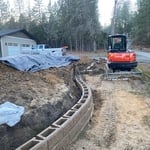
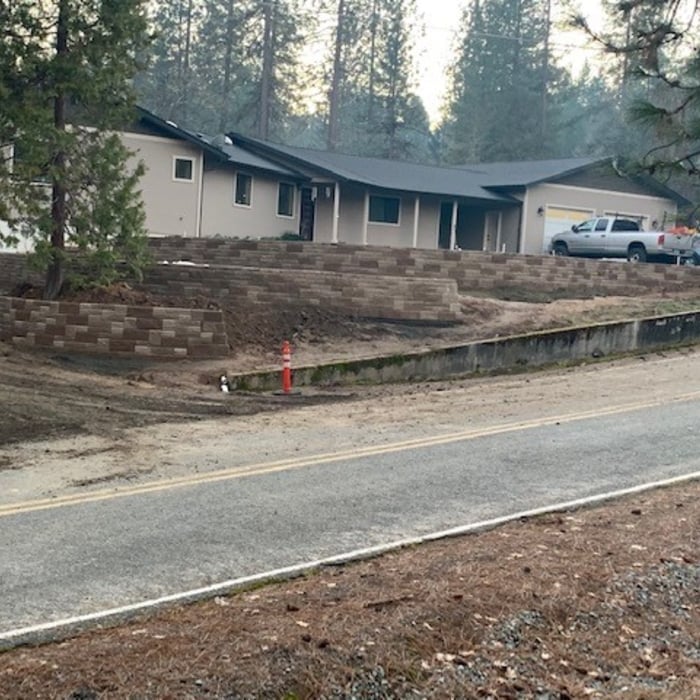
Retaining Wall - Install

Serving Selma, OR and surrounding areas

Approved

In business since 1992

Free estimates

Emergency services offered

"Very competitive, easy to work with, did quality job plus nice cleanup, would definitely use them again as the need arises for windows or any other home construction."
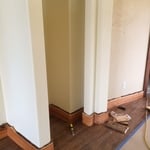
Coustom base board
Dewitt's project
Dewitt's project
Dewitt's project
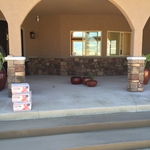
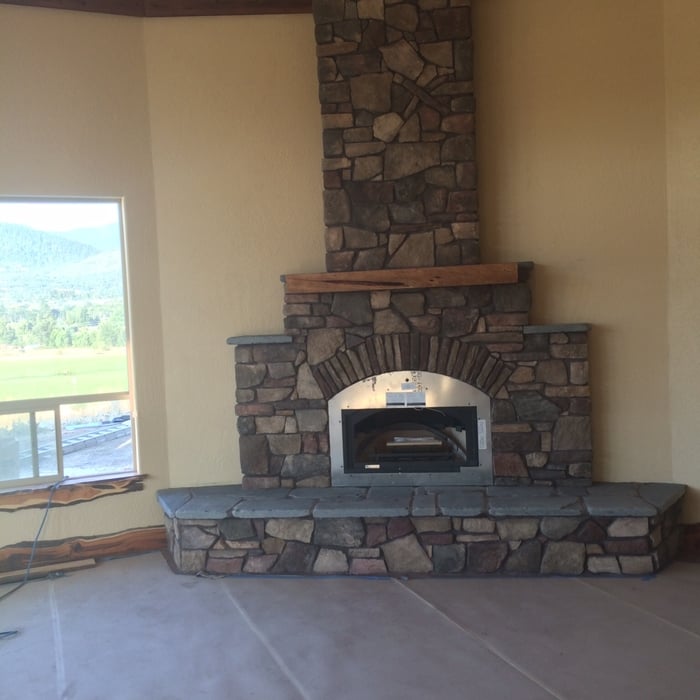
stone fire place

+42

Response time7 hrs
Response rate85%
Recommended by92%of homeowners
...
Showing 1-10 of 81
Landscaping questions, answered by experts

Moss attaches to the ground but doesn’t have roots, so it can take four to six weeks for establishment to begin. It takes between 12 and 18 months for full coverage, and maximum thickness takes about two years. Keep your moss moist and debris-free to ensure it establishes itself well.

Most experts recommend a quarter-inch layer of compost for best results, and you will need about .77 cubic yards of material per 1,000 square feet. To measure how much compost to use, take the square footage of your yard and multiply it by .77, then divide that number by 1,000.

Yes, you can landscape in the rain, but you should take some precautions to keep yourself and your tools safe. Avoid using electric landscaping tools during rainfall, and don’t mow, thatch, aerate, or rake in the rain, as your tools can more easily tear out roots in the loose soil. Be careful when working on wet grass, and take your time to avoid slipping. Avoid putting in new plants before a particularly bad storm, as heavy rain and strong winds can damage or uproot plants that aren’t yet established.

Unless it only rains once in a blue moon where you live, you’re going to want water-loving plants in your garden bed or pot. A few ideas for plants that aren’t super fast-growing (meaning they’re good in pots or near foundations) and can handle a lot of standing water include: 

  • Acorus (Sweet flag)

  • Colocasia esculenta (Taro or elephant ear): In many climates, these are annuals, making them less desirable because you need to adjust the chain again after each replant.

  • Equisetum scirpoides (Dwarf horsetail rush): non-dwarf varieties of horsetail are fast growers and can take over quickly.

  • Juncus effusus (Curly rush)

  • Osmunda regalis (Royal fern): Royal fern can grow quickly but can also handle being crowded, making them good container plants.

As with anything you do near your foundation, you’ll want to ensure proper drainage when you plant your foundation beds. Your drainage should run downhill from the highest point against your foundation to avoid water intrusion and incurring expensive foundation repair costs.

The Selma, OR homeowners’ guide to landscaping services

From average costs to expert advice, get all the answers you need to get your job done.