




Top-rated landscapers.

Get matched with top landscapers in Harbor, OR

Enter your zip and get matched with up to 5 pros

Need a pro for your landscaping project in Harbor, OR?

Select your specific project to find the pro for you.

Find Landscapers in Harbor

Avatar for Pacific Builders Tim Hogue
Pacific Builders Tim Hogue
3.7(
35
)
Retaining Wall - Install

Serving Harbor, OR and surrounding areas

Approved

In business since 1992

Free estimates

Emergency services offered

"From a picture and plans to a dream come true. Thank You Pacific builders!! It was a pleasure knowing all of you. A special thank you to Travis the tile guy his work is awsome, also Christine at Stone Lab had the counter top i had been looking for she is a very nice Lady to work with and her installers Jeff and crew are great guys thank you all ;-)"
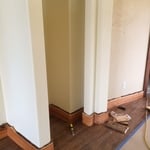
Coustom base board
Dewitt's project
Dewitt's project
Dewitt's project
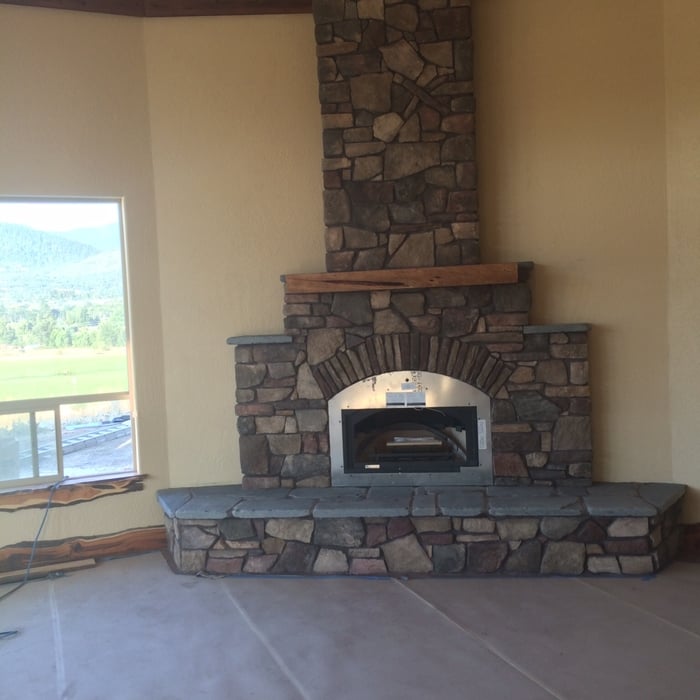
stone fire place

+42

Response time2 hrs
Recommended by92%of homeowners
Showing 1-10 of 46
Landscaping questions, answered by experts

In addition to aloe vera and lilac, other effective humidity-reducing plants include peace lilies, Boston ferns, English ivy, spider plants, and lucky bamboo. These plants thrive in humid environments and can naturally lower moisture levels. Place them in areas prone to dampness for the best results.

A rock garden can last indefinitely as long as you properly maintain it. Whether solely made of rocks or with greenery incorporated, they generally last a while, though it may vary based on your climate.

Xeriscaping can be more affordable than traditional landscaping, but it depends on your landscape design. However, you will save on water. If you live in an arid climate or a location prone to droughts, xeriscaping is an especially efficient way of reducing your lawn’s water demand without detracting from the beauty of your yard.

There are several reasons your grass may be dying that could be in or out of your control. The most common issues include poor drainage, under/overwatering, poor soil pH, low soil nutrients, low sunlight, or too much foot traffic.

While you can leave roots in the ground, if you don’t want the shrub to regrow again over time, it’s best not to leave any roots behind. Ensure you remove as much of the shrub as possible, including the root ball and any main roots you can see, to prevent new growth. Some gardeners opt for using a chemical treatment to prevent the stump from growing back, but this can kill beneficial microorganisms living in your soil.

The Harbor, OR homeowners’ guide to landscaping services

From average costs to expert advice, get all the answers you need to get your job done.