





Top-rated radon detection and reduction specialists.

Get matched with top radon detection and reduction specialists in Powell Butte, OR

Enter your zip and get matched with up to 5 pros

Need a pro for your radon detection and reduction project in Powell Butte, OR?

Select your specific project to find the pro for you.

Find Radon detection and reduction specialists in Powell Butte

Avatar for Oregon Restoration Co.
Oregon Restoration Co.
4.7(
154
)
Radon Gas - Testing

Serving Powell Butte, OR and surrounding areas

In business since 2008

Emergency services offered

Warranties offered

"Ambrosio was friendly and kind, made a thorough search through the attic and rooms of the house to evaluate the roof leak and resulting mold, and gave a detailed estimate of all the work that would be involved in remediation. Didn't charge for gas or estimate. We since haven't been able to get in contact for next steps, but appreciated the timely and thorough response for our initial request for evaluation."
Professional mold mitigation in progress. We tackle mold issues at the source to protect both your home and your health.
Mold removal in action — we ensure your home is safe, clean, and free from harmful contaminants.
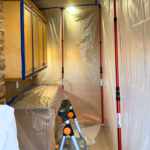
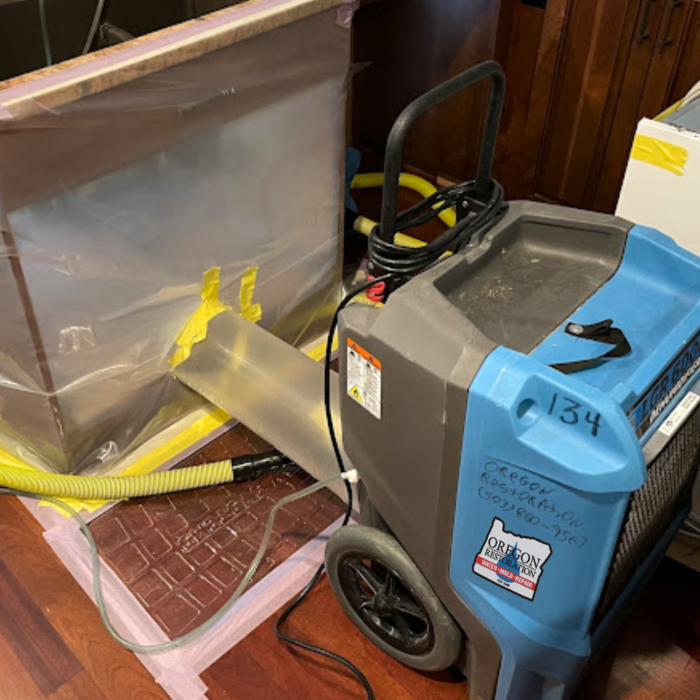
Water damage containment setup in progress. We carefully isolate affected areas to protect the rest of your home while we work.
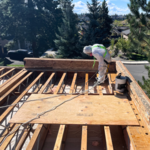
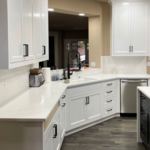
Expert craftsmanship in kitchen restoration — we ensure a seamless transformation from damage to a beautifully finished space.
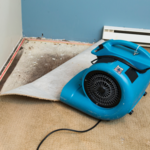
Using the most advanced drying equipment, we address water damage efficiently to protect your home

+9

Recommended by95%of homeowners
Radon Detection and Reduction questions, answered by experts

The natural breakdown of uranium in soil, rock, and water can cause radon to appear in a home. The gas seeps into homes through cracks in foundations, walls, or floors, as well as through gaps around pipes or construction joints. Radon levels are influenced by soil composition, building materials, and ventilation. Poorly sealed or airtight homes can trap radon, allowing it to accumulate.

Radon enters your home when warm air begins to rise and exits through the roof, creating a vacuum that pulls cooler air from under the foundation. Part of that air is radon, which is an invisible, odorless gas that develops naturally when radioactive particles are deep within the ground. Those particles usually come from decaying matter in soil and rocks.

You'll need to test your home for radon after installing the mitigation system, then again every two years. If radon remains elevated, contact a licensed radon professional, either the contractor who installed the system or a different one, and have them evaluate the system. They may need to make some changes to improve its effectiveness and performance.

The lifespan of a radon mitigation system depends on the type of system and its maintenance. With proper care, a system can last for many decades. Passive systems tend to last longer as they have fewer components that require replacement. Active systems, which have more moving parts like fans, generally have a shorter lifespan. For instance, water filtration devices and active pressurization systems require more frequent maintenance. While the system as a whole is durable, the radon fan in an active system typically has a lifespan of 5 to 10 years and will need to be replaced. As long as the fan is working, the mitigation system should function correctly.

Testing every 2-5 years or upon adjusting occupancy or structural changes maintains safe environments.

The Powell Butte, OR homeowners’ guide to radon detection and reduction services

From average costs to expert advice, get all the answers you need to get your job done.