


Top-rated radon detection and reduction specialists.

Get matched with top radon detection and reduction specialists in Mill City, OR

Enter your zip and get matched with up to 5 pros

Need a pro for your radon detection and reduction project in Mill City, OR?

Select your specific project to find the pro for you.

Find Radon detection and reduction specialists in Mill City

Avatar for John's Waterproofing Co.
John's Waterproofing Co.
4.0(
71
)

Serving Mill City, OR and surrounding areas

Approved

In business since 1974

Free estimates

Warranties offered

"This work crew of Lupe, Waldo, and Rene did an OUTSTANDING job; this is hard work, these (3) dedicated hombres did an incredible job for us. We are so grateful for these three men. I easily recommend this crew to you, very reliable, honest, trustworthy and friendly. Best in the Business. Muchas gracias amigos!!! We love these guys!"
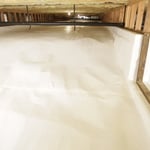
Encapsulation System
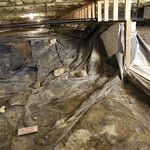
Before Encapsulation
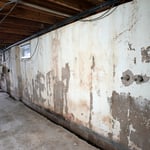
Before Interior Drain System
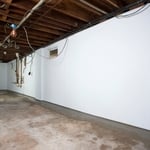
After Interior Drain System
Finished basement

+38

Response time6 hrs
205 neighbors recently requested a quote
Recommended by93%of homeowners

Avatar for Gorge Quality Home Inspection
Gorge Quality Home Inspection
5.0(
3
)

Serving Mill City, OR and surrounding areas

In business since 2019

"Greg is always prompt in responding to scheduling and has a quick turnaround on reports too. I like his reports because they have plenty of pictures and he takes the time with buyers to answer any questions whether it be on site or following up on the report."
Recommended by100%of homeowners
Radon Detection and Reduction questions, answered by experts

No, air purifiers are not an effective way to reduce or remove radon. Radon is a radioactive, inert gas that cannot be filtered by standard air purifiers, which are designed to capture particulates like dust and mold. While an air purifier can improve indoor air quality by removing other pollutants, it should not be relied upon for radon. The only effective solution for high radon levels is a dedicated radon mitigation system.

Testing every 2-5 years or upon adjusting occupancy or structural changes maintains safe environments.

No level of radon is technically safe, but since it is naturally present everywhere, it is impossible to avoid entirely. The average radon level in homes across the United States is 1.3 picocuries per liter (pCi/L). The Environmental Protection Agency (EPA) recommends taking action to reduce radon levels if your home's test results are between 2 and 4 pCi/L or higher.

The natural breakdown of uranium in soil, rock, and water can cause radon to appear in a home. The gas seeps into homes through cracks in foundations, walls, or floors, as well as through gaps around pipes or construction joints. Radon levels are influenced by soil composition, building materials, and ventilation. Poorly sealed or airtight homes can trap radon, allowing it to accumulate.

No, radon mitigation systems do not decrease home value or make a home harder to sell. In areas where homes experience similar radon exposure risks, a radon mitigation system is viewed as an improvement. Potential homebuyers often opt to buy a home with a radon mitigation system already installed to reduce the risk of cancer for their families.

The Mill City, OR homeowners’ guide to radon detection and reduction services

From average costs to expert advice, get all the answers you need to get your job done.