
Top-rated radon detection and reduction specialists.

Get matched with top radon detection and reduction specialists in Gates, OR

Enter your zip and get matched with up to 5 pros

Need a pro for your radon detection and reduction project in Gates, OR?

Select your specific project to find the pro for you.

Find Radon detection and reduction specialists in Gates

Avatar for Gorge Quality Home Inspection
Gorge Quality Home Inspection
5.0(
3
)

Serving Gates, OR and surrounding areas

In business since 2019

"Greg is always prompt in responding to scheduling and has a quick turnaround on reports too. I like his reports because they have plenty of pictures and he takes the time with buyers to answer any questions whether it be on site or following up on the report."
Recommended by100%of homeowners
Radon Detection and Reduction questions, answered by experts

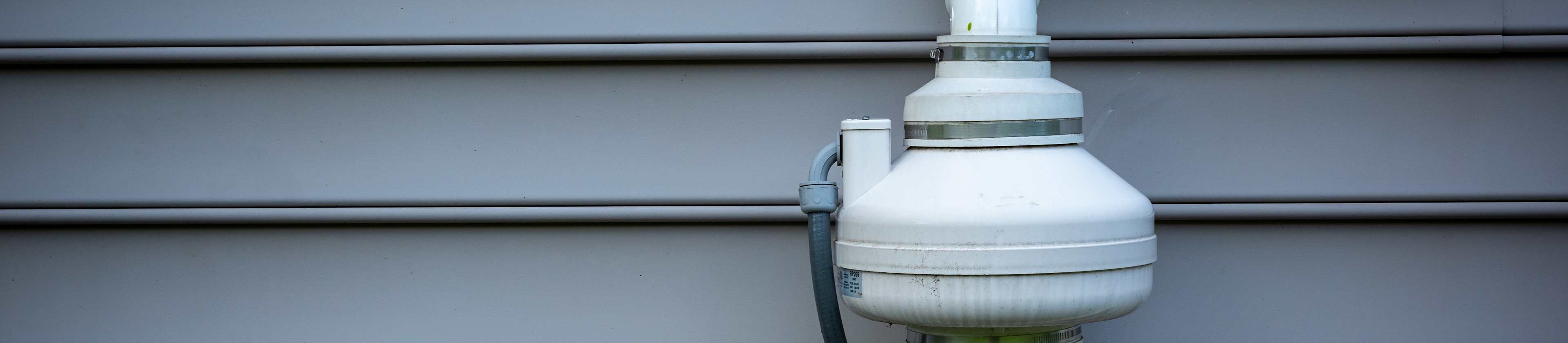
Your radon fan needs to operate 24/7 to be effective. The only time the fan isn't operating is during its replacement. Radon levels in the home can increase within hours if the fan stops working or something obstructs the stack vent. Fortunately, radon systems require no downtime maintenance between fan changes.

Installing a mitigation system reduces radon levels, which can cause lung cancer, providing peace of mind and long-term health benefits. It can also increase your home’s value, as many buyers prefer properties with radon safety measures in place. The investment is relatively low compared to the potential health risks associated with prolonged radon exposure.

No level of radon is technically safe, but since it is present everywhere, complete avoidance is impossible. The average radon level in homes across the United States is 1.3 picocuries per liter (pCi/L). The Environmental Protection Agency (EPA) recommends taking preventative measures if your home's radon levels are between 2 and 4 pCi/L or higher.

Radon enters your home when warm air begins to rise and exits through the roof, creating a vacuum that pulls cooler air from under the foundation. Part of that air is radon, which is an invisible, odorless gas that develops naturally when radioactive particles are deep within the ground. Those particles usually come from decaying matter in soil and rocks.

The cost for a radon mitigation system typically ranges from $800 to $1,500, with an average around $1,000. The final price depends on several factors, including the size of your home, the severity of the radon issue, and the type of system required. Your home's foundation type also significantly impacts the cost. For example, sealing and ventilating an unfinished basement might cost around $4,600, while encapsulating a crawl space without a foundation slab can range from $1,500 to $15,000.

The Gates, OR homeowners’ guide to radon detection and reduction services

From average costs to expert advice, get all the answers you need to get your job done.