Top-rated leaf removal pros.

Best leaf removal pros near Mill City, OR

Enter your zip and get matched with up to 5 pros

Need a pro for your leaf removal project in Mill City, OR?

Select your specific project to find the pro for you.

Top-Rated Leaf removal pros in Mill City - Updated Nov 2026

Avatar for Trash Truckers
Trash Truckers
New to Angi
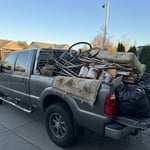
Waste, Junk, Building Materials and Debris - Remove and Haul

Serving Mill City, OR and surrounding areas

Approved

Free estimates

Emergency services offered

Warranties offered

We’re a small, family-owned junk removal business built on hard work, honesty, and helping our community. We know times are tough right now, and we’re doing everything we can to provide affordable, reliable services that make life a little easier for our neighbors. Whether you need a single item hauled away or a full property clean out, we treat every job with care and respect, like we’re helping out family.\n\nWe take pride in showing up on time, getting the job done right, and leaving your space clean and clutter-free. Starting and growing a small business in this economy isn’t easy, but we’re committed to earning your trust, one pickup at a time.

...
Showing 1-10 of 109
Leaf Removal FAQs, answered by experts

Some companies offer hazardous waste removal, but additional fees and special handling procedures may be required.

According to the Environmental Protection Agency (EPA), hazardous waste is generally classified into four main categories:

1. Characteristic Wastes: These exhibit at least one of four hazardous traits: ignitability (flammable, like gasoline), corrosivity (can rust or decompose materials, like car batteries), reactivity (unstable and can explode, like aerosol cans), or toxicity (harmful when ingested, like lead-based paint).

2. Listed Wastes: These are specific wastes from manufacturing and industrial processes that the EPA has officially designated as hazardous. They include byproducts from processes that use solvents, pesticides, and other chemicals.

3. Universal Wastes: These are commonly generated hazardous items that are subject to streamlined regulations. Examples include batteries, pesticides, mercury-containing equipment (e.g., bulbs), and some lamps.

4. Mixed Wastes: This category includes waste that contains both hazardous and radioactive components, making it subject to regulation by both the EPA and the Nuclear Regulatory Commission.


The safest way to remove lead-based paint is by letting a professional take over. For most people, lead paint removal costs an average of $3,400. You should never attempt to dry sand old lead-based paint surfaces by hand. Most professionals use a paint stripper to do the job followed by wet scraping, but if you don’t want to remove lead paint, another option is to paint over it. Only consider this option if the old lead paint finish isn’t flaking or cracked.

By using PPE, sealing work areas, and following containment procedures.

Exterior paint contains a higher level of VOCs, which can be dangerous if you’re exposed to it for a long period of time. The good news is that paint’s toxicity reduces significantly once fully dried and cured. Do not keep open exterior paint cans in your home, basement, or garage, exposing your household to harmful chemicals over time.

The Mill City, OR homeowners’ guide to leaf removal services

From average costs to expert advice, get all the answers you need to get your job done.