
Top-rated radon detection and reduction specialists.

Best radon detection and reduction specialists near Hammond, OR

Enter your zip and get matched with up to 5 pros

Need a pro for your radon detection and reduction project in Hammond, OR?

Select your specific project to find the pro for you.

Top-Rated Radon detection and reduction specialists in Hammond - Updated Nov 2026

Avatar for John's Waterproofing Co.
John's Waterproofing Co.
4.0(
72
)
Radon Gas - AbatementRadon Gas - Testing

Serving Hammond, OR and surrounding areas

Approved (Corporate)

In business since 1974

Free estimates

Warranties offered

"This work crew of Lupe, Waldo, and Rene did an OUTSTANDING job; this is hard work, these (3) dedicated hombres did an incredible job for us. We are so grateful for these three men. I easily recommend this crew to you, very reliable, honest, trustworthy and friendly. Best in the Business. Muchas gracias amigos!!! We love these guys!"
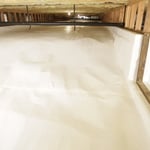
Encapsulation System
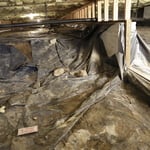
Before Encapsulation
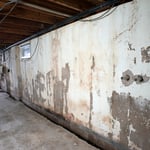
Before Interior Drain System
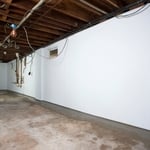
After Interior Drain System
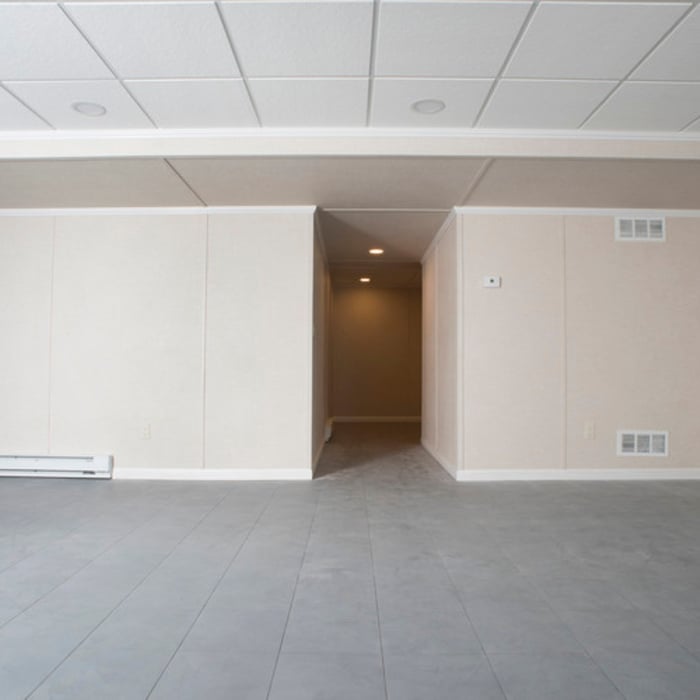
Finished basement

+38

Response time6 hrs
128 neighbors recently requested a quote
Recommended by93%of homeowners
Radon Detection and Reduction FAQs, answered by experts

Your radon mitigation system may be loud because it’s time to replace it. Any sounds are usually from the inline fan that helps create the vacuum and resulting airflow. If you hear a new, loud mechanical or humming noise from your radon fan, it might be time to replace it. Most fans used in radon mitigation systems last up to 10 years, but may need to be replaced sooner.

No level of radon is technically safe, but since it is naturally present everywhere, it is impossible to avoid entirely. The average radon level in homes across the United States is 1.3 picocuries per liter (pCi/L). The Environmental Protection Agency (EPA) recommends taking action to reduce radon levels if your home's test results are between 2 and 4 pCi/L or higher.

Yes, many systems include warranties for performance. Confirm terms with your installer.

While DIY testing is possible, abatement generally requires professional installation to ensure efficacy and meet safety standards.

No level of radon is technically safe, but since it is present everywhere, complete avoidance is impossible. The average radon level in homes across the United States is 1.3 picocuries per liter (pCi/L). The Environmental Protection Agency (EPA) recommends taking preventative measures if your home's radon levels are between 2 and 4 pCi/L or higher.

The Hammond, OR homeowners’ guide to radon detection and reduction services

From average costs to expert advice, get all the answers you need to get your job done.