








Top-rated bird control service pros.

Get matched with top bird control service pros in Glide, OR

Enter your zip and get matched with up to 5 pros

Need a pro for your bird control service project in Glide, OR?

Select your specific project to find the pro for you.

TRUSTED BY GLIDE, OR HOMEOWNERS

  • Average homeowner rating star icon4.6
    Average homeowner rating
  • Verified reviews icon12
    Verified bird control services reviews

Find Bird control service pros in Glide

Kelly's Pest Control
New to Angi
Pest Control - Birds and BatsPest Control - Birds and Bats - For Business

Serving Glide, OR and surrounding areas

In business since 2023

Free estimates

Offers commercial services

We're a locally owned and operated company that values honesty and integrity and treats your home as if it were our own. Our services are customized to the individual project, paying close attention to the details of each project that we're involved with. We pride ourselves on the quality of our work as well as our commitment to outstanding results. We look forward to building lasting relationships and guaranteeing your satisfaction!

Bird Control questions, answered by experts

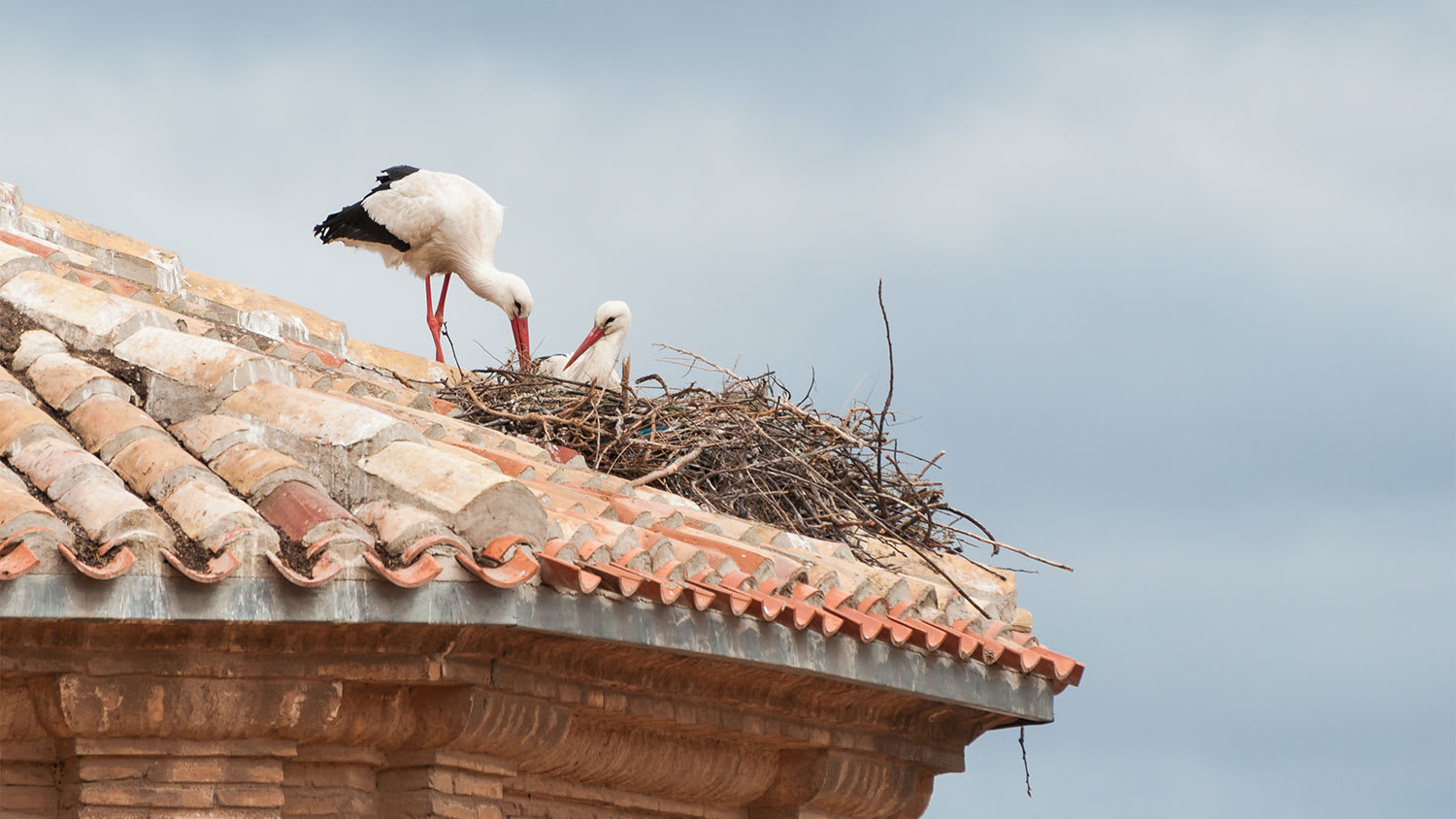
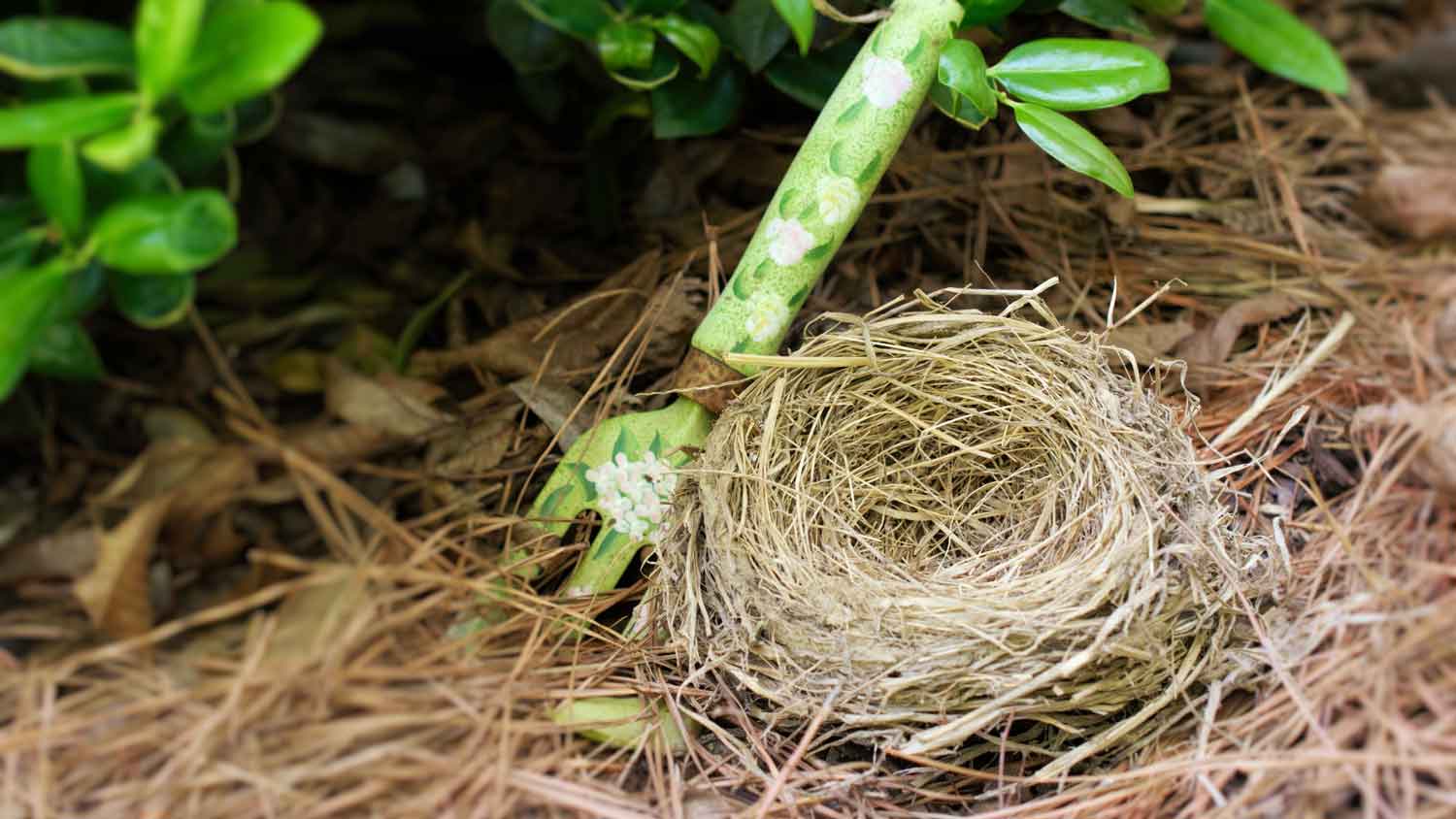
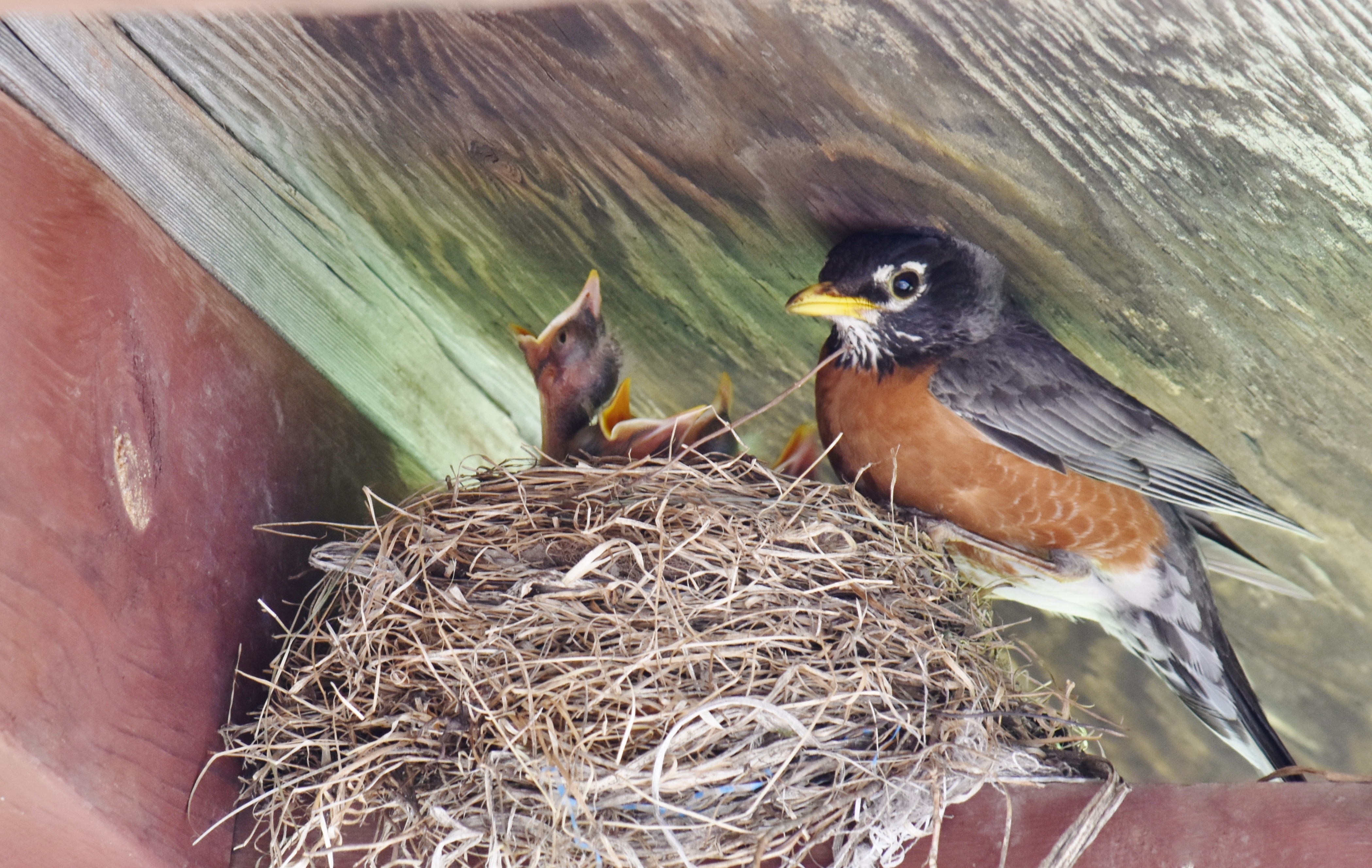
The lifespan of a bird's nest depends on the species. The building process can take from two days to three weeks. Once built, the nesting period for baby birds can last from two to ten weeks before they leave the nest. While most young birds are ready in two to six weeks, some predatory species may need up to two and a half months. Some species nest four to five times per year, so a nest could remain in use for several months. For specific information about a particular nest's longevity, it is best to consult a wildlife professional.

When woodpeckers start banging on your walls or roof, they are probably looking for insects to eat, storing nuts for winter, drilling a hole to make a nest, or communicating with other birds to establish territory or find a mate.

The size of the hole can help determine the reason for the pecking. Small irregular holes are a result of insect hunts. Acorn holes are more consistently sized and often fitted with a nut in the middle. Nest holes are large and have rounded edges. If the bird is pecking to mark its territory or attract a mate, it may leave dents rather than holes, and the noise will stop when the mating season starts in spring.

When it comes to keeping birds from doing their business on your porch rails, you have several DIY options and home remedies you can try: 

  • Tie a fishing line from one end of the deck post to the other. Birds won’t be able to see the line across the railing, so they can’t land on it.  

  • Hang wind chimes close by, which may scare birds away. 

  • Apply a bird gel repellent to the railings, which contains smells that birds generally don’t like. Or, similarly, you can apply citronella or lemon oil around the railings, since birds don’t like strong smells.

It is possible, though unlikely, that a home insurance policy will help cover the costs of professional bat removal. However, some policies will chip in for guano removal and associated repairs, such as replacing drywall. Take some time to read the fine print of your homeowner’s insurance policy and call your provider to inquire about bat removal, guano removal, and related repairs.

There are DIY methods and store-bought pesticides available for the public to use. However, these pesticides also come with a risk, and you need to follow the directions correctly and take precautionary measures to prevent exposure to these chemicals. These methods may be an option for small pest problems, but you should call in a pest control specialist for persistent pests and infestations.

The Glide, OR homeowners’ guide to bird control services

From average costs to expert advice, get all the answers you need to get your job done.