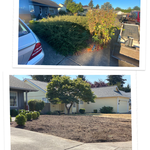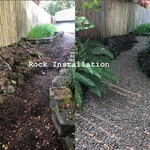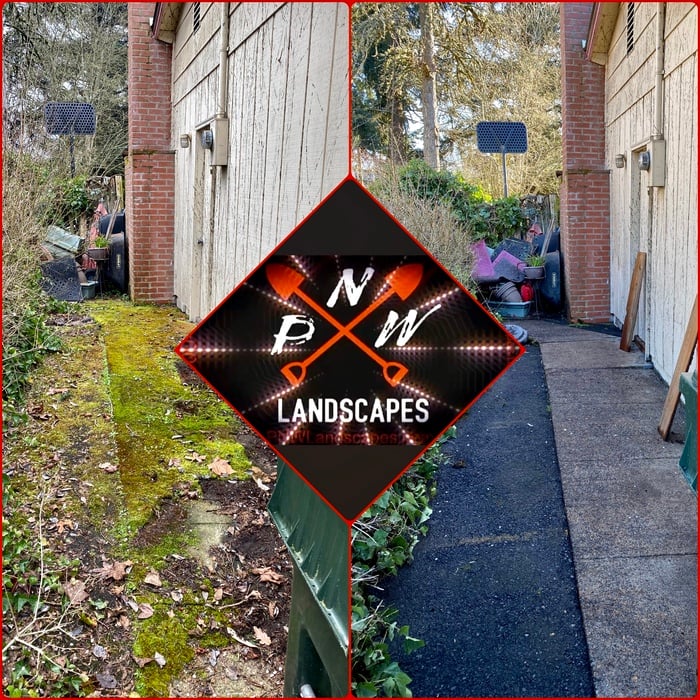




Top-rated weed maintenance pros.

Get matched with top weed maintenance pros in Corvallis, OR

Enter your zip and get matched with up to 5 pros

Need a pro for your weed maintenance project in Corvallis, OR?

Select your specific project to find the pro for you.

TRUSTED BY CORVALLIS, OR HOMEOWNERS

  • Average homeowner rating star icon4.5
    Average homeowner rating
  • Verified reviews icon276
    Verified weed maintenance services reviews

Find Weed maintenance pros in Corvallis

No results for Weed maintenance pro in

Try adjusting your search criteria.
Weed Services questions, answered by experts

The best time to fight crabgrass with pre-emergent herbicide is when forsythias tend to bloom. In the mid-Atlantic region, this is usually between April and May. Even if you're late to apply the herbicide, it’s effective as long as the crabgrass plant has fewer than five leaves.

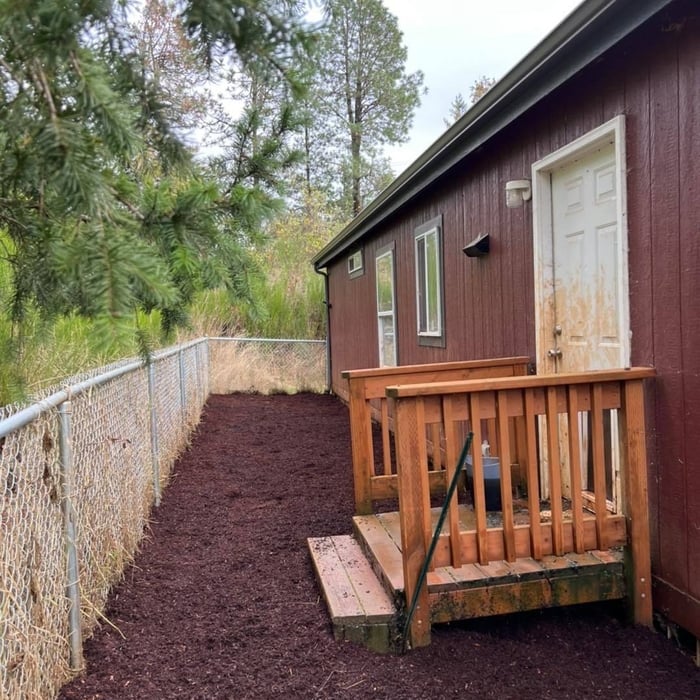
You should add 1 to 4 inches of mulch, depending on your garden type and needs. Keep in mind that no amount of mulch can completely prevent weeds, but a heavier coverage (closer to 4 inches) can suppress weeds enough that you are only seeing them sprout every few weeks. Finer mulch prevents weeds more effectively than large mulch, so if you’re using mulched leaves or shredded bark, 1 to 2 inches will likely suffice, while 3 to 4 inches is best for larger mulch, like bark chips or straw.

The best way to keep voles from tunneling in your yard is to keep grass trimmed and bushes cut back from the ground at least 5 inches. Cleaning up yard debris, wood chip piles, and brush piles can also help keep voles at bay. If you notice vole activity, you can also remove bird feeders since these are a ready source of food for the tunneling rodents.

Noxious weeds can be poisonous or act as an irritant to humans, but not all are directly harmful. However, indirectly, noxious weeds also compete with native species, effectively affecting our local ecosystems of plants, pollinators, and other animals.

Poison oak is similar to poison ivy in that it's in the same family of plants. Poison oak is identifiable by its rounded-off leaves and hairy leaf texture. Tree-climbing varieties live primarily in western states while low-growing poison oak bushes occupy the eastern states. Treat poison oak like poison ivy to get rid of it permanently.

The Corvallis, OR homeowners’ guide to weed maintenance services

From average costs to expert advice, get all the answers you need to get your job done.