






Top-rated fire pit installation pros.

Best fire pit installation pros near Aumsville, OR

Enter your zip and get matched with up to 5 pros

Need a pro for your fire pit installation project in Aumsville, OR?

Select your specific project to find the pro for you.

TRUSTED BY AUMSVILLE, OR HOMEOWNERS

  • Average homeowner rating star icon4.6
    Average homeowner rating
  • Verified reviews icon207
    Verified fire pit installation services reviews

Top-Rated Fire pit installation pros in Aumsville - Updated Nov 2026

Avatar for Kaufman Specialties
Kaufman Specialties
4.9(
99
)
Handyman for Multiple Small Projects

Serving Aumsville, OR and surrounding areas

Approved

Super Service Award Winner

In business since 2019

Free estimates

Emergency services offered

"Neal installed a tricky downdraft replacement vent to our gas stove in August of 2021. I called him in February of 2022 to make a minor adjustment to the alignment; which he promptly did at no cost to us - excellent customer service."
Custom Kitchen Pantry
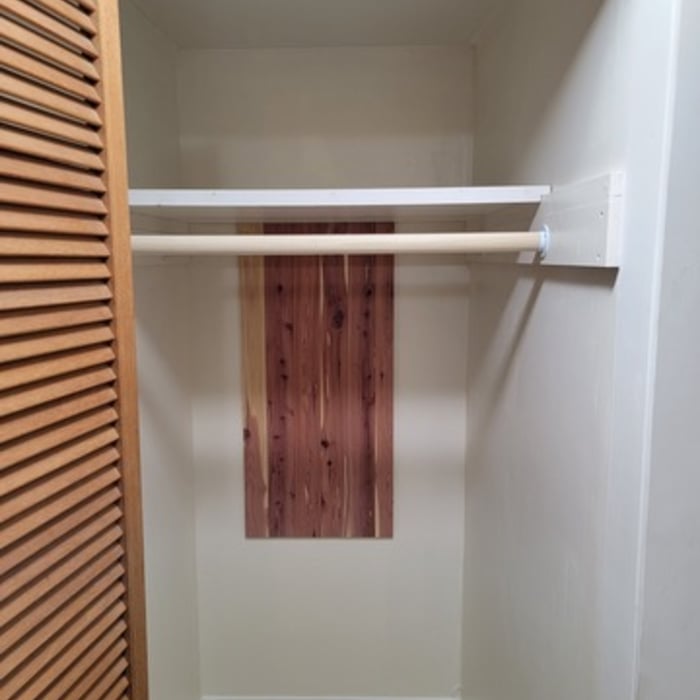
Small Closet Build
Small Closet Build
Small Closet Build

+3

Response time2 days
15 neighbors recently requested a quote
Recommended by83%of homeowners

Avatar for Schwab's Jobs Handyman
Schwab's Jobs Handyman
5.0(
4
)
Handyman for Multiple Small Projects

Serving Aumsville, OR and surrounding areas

Approved

Free estimates

Emergency services offered

Warranties offered

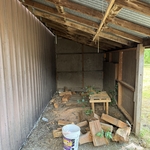
"I had acquired repurposed fence wood, flooring, and roof, so I hired Zephry to build a storage shed barn from my ideas. He worked well with me as the build went along and I'm very pleased with the outcome."
Replacing roof
Replacing roof
Partial siding
Partial siding
Repurposing lumber

+10

16 neighbors recently requested a quote
...
Showing 1-10 of 135
Fire Pit Installation FAQs, answered by experts

Certified fire door inspectors should inspect fire doors. These professionals receive training to specifically assess the condition, functionality, and compliance of fire doors. They often hold credentials from groups like the Door and Hardware Institute (DHI) or the International Fire Door Inspector Association (IFDIA). While fire marshals won’t usually do hands-on inspections, they’ll check that doors are being maintained properly during routine safety audits. If a building relies on fire doors for code compliance, it needs someone who understands the details—the difference between a cosmetic issue and a safety failure—and standards to sign off with confidence.

Attics often contain a mix of insulation, electrical wiring, and other materials that can pose fire risks. That’s why furnaces should be installed in the attic with proper insulation and clearance from combustible materials. Additionally, the furnace should be equipped with proper ventilation and heat shields to prevent the buildup of excessive heat in the attic space. Regular inspections and maintenance are also crucial to identify and address any potential fire hazards.

Poorly designed and incorrectly installed outlets can create an electrical fire hazard, as do some phone chargers and adapters that plug into these outlets. However, most outlets are perfectly safe as long as they remain in working condition. Keep an eye on what you are plugging into the outlet and stay alert for signs of outlet malfunction, like sparks, burning smell, or frequent circuit tripping.

Concrete homes have better fire resistance because this material is highly resistant to fire and heat. But any paint, siding, windows, roofing, or other materials on a concrete home may still be flammable. Never try to stay in a building with a large, active fire or a wildfire approaching because this can still be deadly. However, building a fireproof home with concrete can better protect the structure against total destruction.

Generally, an oil furnace is considered safer than a gas furnace for several reasons. While both types of furnaces can produce carbon monoxide, a leak in an oil furnace is easier to detect due to the smell. Oil furnaces also don't connect to a gas pipeline, which reduces the chance of a fuel leak. Most importantly, heating oil is not combustible, whereas natural gas is highly flammable. This means there is a much lower risk of combustion or explosion with an oil furnace. However, an oil furnace can still pose a fire hazard if it tips over.

The Aumsville, OR homeowners’ guide to fire pit installation services

From average costs to expert advice, get all the answers you need to get your job done.