

Top-rated paving pros.

Get matched with top paving pros in Wister, OK

Enter your zip and get matched with up to 5 pros

Need a pro for your paving service project in Wister, OK?

Select your specific project to find the pro for you.

Find Paving pros in Wister

Avatar for Owens Excavation & Dirtwork Corp
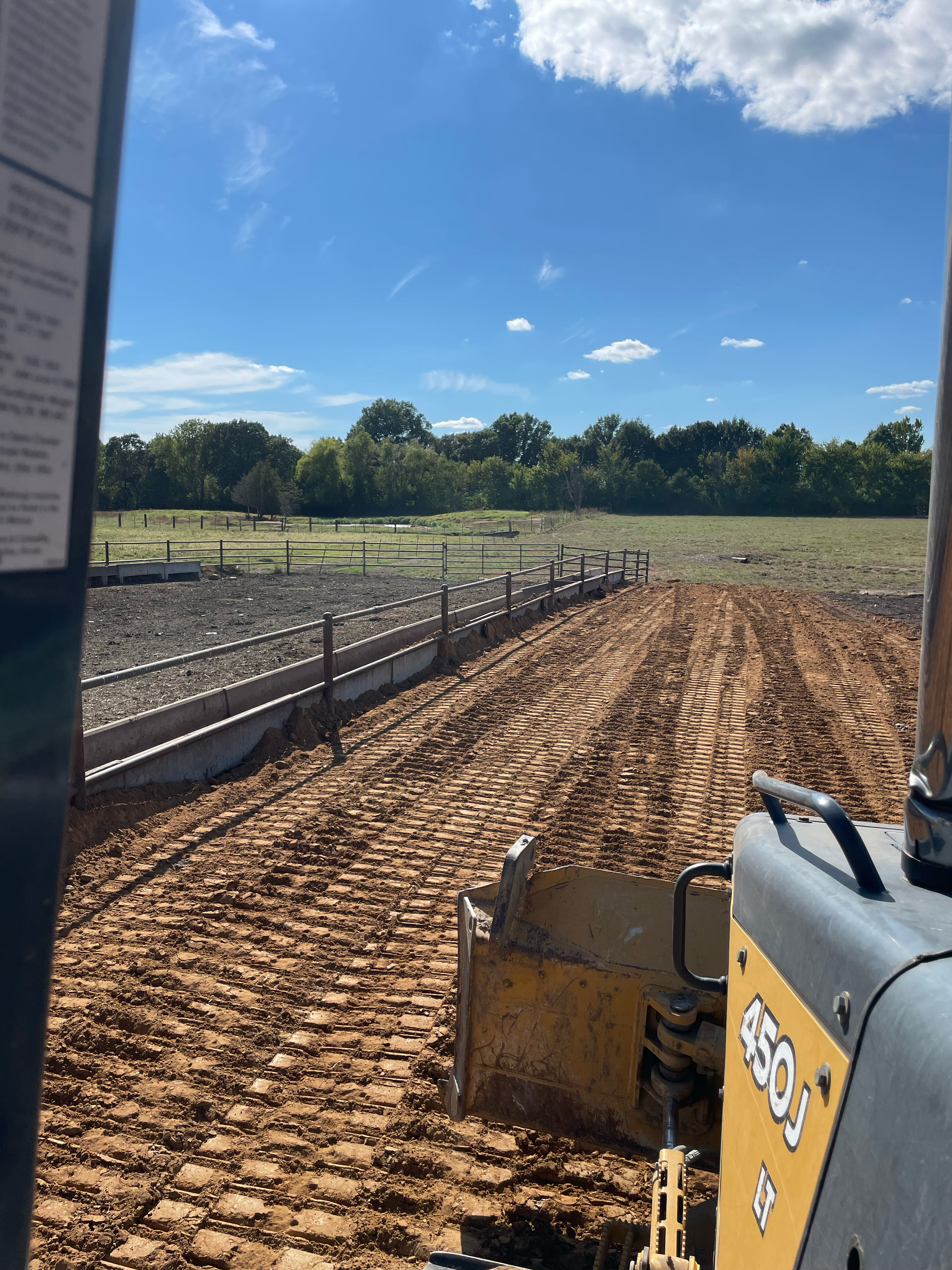
Owens Excavation & Dirtwork Corp
5.0(
3
)
Gravel or Loose Fill Paving - Install, Spread or Scrape

Serving Wister, OK and surrounding areas

Approved

In business since 2021

Offers commercial services

Customers say: Quick response

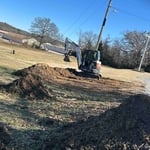
"Great company to work with.... I had several projects for the past couple years including: 2 ponds dug - no leaks & holding solid, built roads, had coverts installed, clearing of land and trenching work for electrical. I would highly recommend, they've done a wonderful job every single time. Extremely professional to make sure it's done right and that you're happy with services provided. I would work with them again on any project needing large requirement in the future."
Response time1 day
6 neighbors recently requested a quote
Recommended by100%of homeowners
J Construction
4.6(
4
)
Asphalt Paving - Install

Serving Wister, OK and surrounding areas

In business since 2000

Free estimates

Credit card accepted

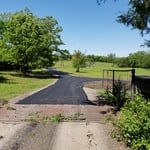
"We couldn't afford to entirely asphalt our 1/2 mile driveway but Levi proposed a combination of asphalt and chip and seal that fit our budget. Our driveway is smoother than it has been in years and we don't have to worry about putting our vehicles in 4 wheel drive after a rain. Levi explained everything beforehand and kept us updated daily throughout the process. Zero complaints."
Response time1 day
Response rate100%
Recommended by100%of homeowners
Showing 1-10 of 39
Paving Services questions, answered by experts

The dimensions of a driveway apron vary based on local building codes, the width of your driveway, and the distance between the driveway and the road. On average, aprons range from 12 to 24 feet wide and 8 to 18 feet long. Typically, the end of the apron connected to the driveway matches its width—such as 10 to 12 feet for a single-car driveway—while the end at the street flares out to allow cars to turn in and out more easily. In some areas, you may not be responsible for the portion of the apron that extends beyond the sidewalk, but this depends on local laws.

There’s no single best asphalt grade—it all comes down to where and how it’s used. Highways and heavy-traffic roads need something tough, like polymer-modified asphalt (PMA) or Stone Matrix Asphalt (SMA). Local roads and parking lots rely on the Performance Graded (PG) system, chosen based on climate. A PG 64-28 mix, for example, handles a broad temperature range while simpler, more cost-effective mixes are typically enough for residential driveways. The best grade of asphalt depends on traffic, weather, and your budget, which is why a professional’s input is always a smart move before making a decision.

Maintaining a driveway depends on its material. For concrete and asphalt, it's best to clean the surface thoroughly twice a year with a stiff broom and a pressure washer to remove accumulated dirt and debris. Sealing the driveway is crucial to protect it from water damage and freeze-thaw cycles. Before applying a sealant, pressure wash the surface to remove any loose sealant, dirt, or stains, as sealing over them will trap them. Any cracks or expansion joints should be filled with a flexible polyurethane caulk or asphalt sealer. In colder climates, use sand instead of salt for de-icing. Sand helps melt snow and ice without accelerating the freeze-thaw process, which can cause cracks.

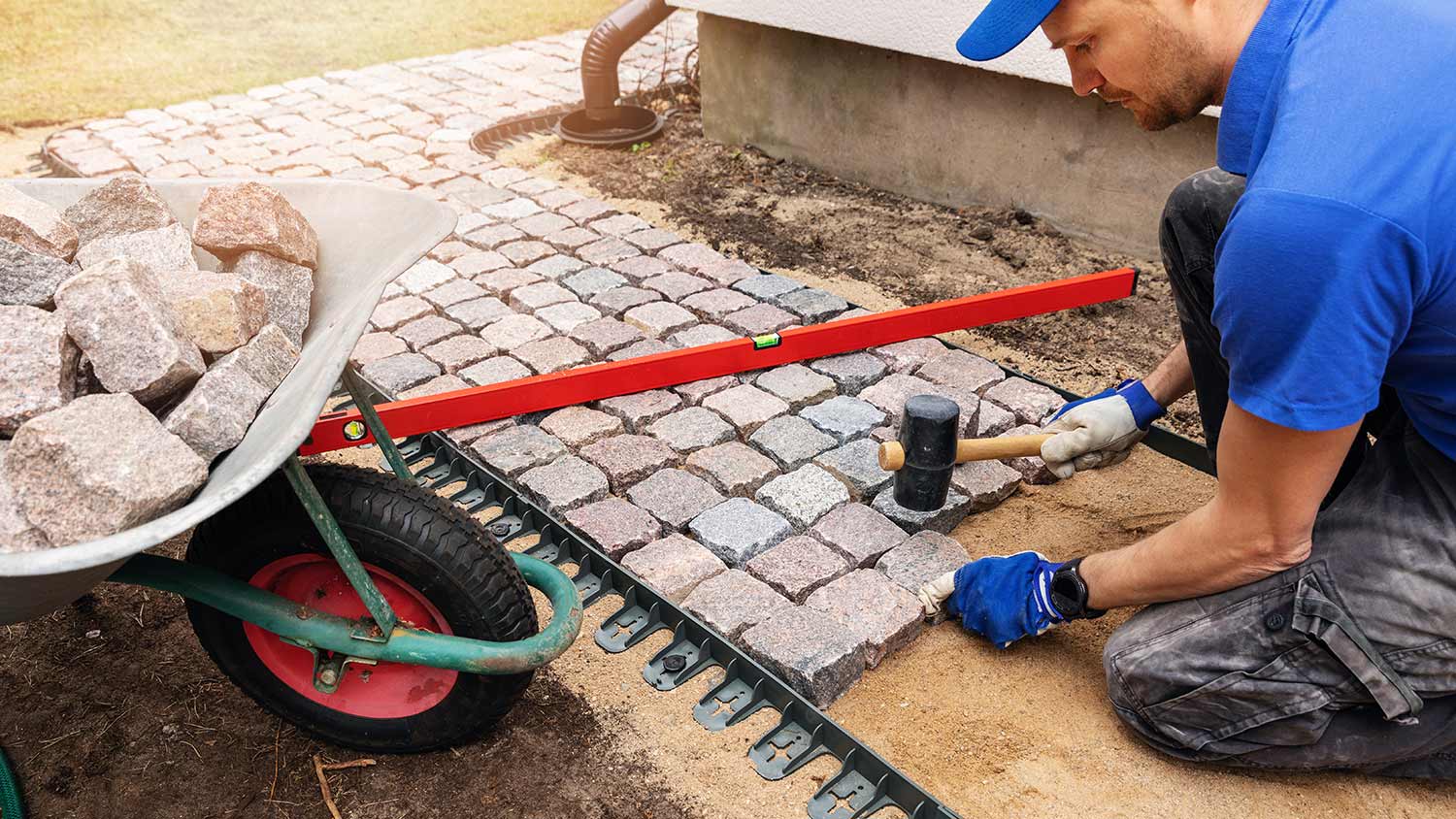
You’ll first need to install a base underneath your pavers for extra stability and drainage. Otherwise, the pavers can sink into the ground, and you’ll have to reinstall them. Use a base gravel layer of 4 to 6 inches for walkways and 10 to 12 inches for driveways. Compact your gravel layer every 2 to 4 inches so it’s nice and solid. After you install your gravel base, apply a 1-inch layer of sand on top.

Yes, you should lightly wet the sand with a hose before laying the pavers on top. This activates the bonding agents in the sand, ensuring that your pavers don’t shift around during the installation process. However, you should make sure that the sand is not soaked; overwatering can cause the sand and pavers to not set properly.

The Wister, OK homeowners’ guide to paving services

From average costs to expert advice, get all the answers you need to get your job done.