





Top-rated radon detection and reduction specialists.

Get matched with top radon detection and reduction specialists in Washington, OK

Enter your zip and get matched with up to 5 pros

Need a pro for your radon detection and reduction project in Washington, OK?

Select your specific project to find the pro for you.

Find Radon detection and reduction specialists in Washington

Avatar for Marshall Environmental Management - Home  Facebook
Marshall Environmental Management - Home Facebook
New to Angi

Serving Washington, OK and surrounding areas

In business since 1987

Free estimates

Credit card accepted

We are the premier professional industrial hygiene and consulting company in Oklahoma City. We specialize in asbestos, indoor air quality, lead and occupational monitoring. We offer the highest quality and most attentive customer service. We are known to pay exquisite attention to detail while making customer satisfaction our top priority. \n\nMold Inspections start at $550. Please call us today to schedule your appointment!

Response time1 day
Response rate100%
Radon Detection and Reduction questions, answered by experts

There are steps you can take as a homeowner to remediate radon yourself. While a radon reduction professional can make the biggest impact in your home, you can make efforts to improve radon levels on your own by sealing cracks, increasing ventilation, and testing for radon regularly.

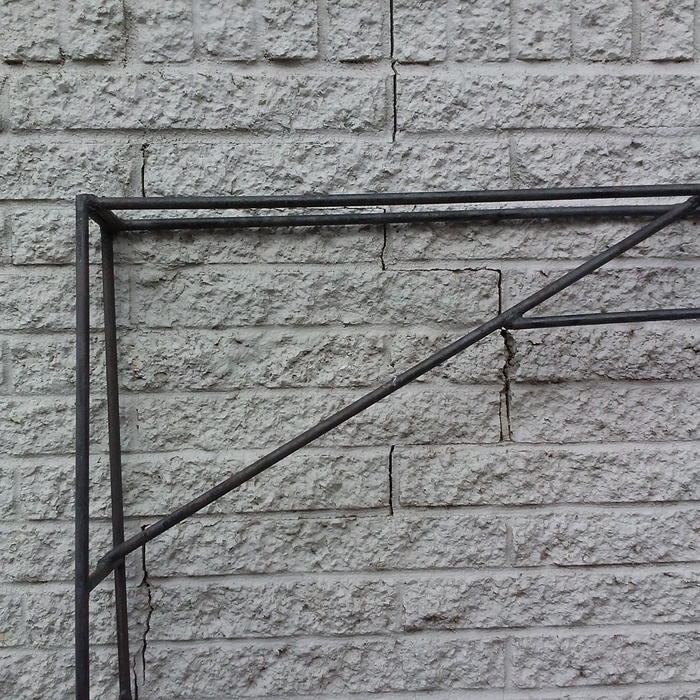
The natural breakdown of uranium in soil, rock, and water can cause radon to appear in a home. The gas seeps into homes through cracks in foundations, walls, or floors, as well as through gaps around pipes or construction joints. Radon levels are influenced by soil composition, building materials, and ventilation. Poorly sealed or airtight homes can trap radon, allowing it to accumulate.

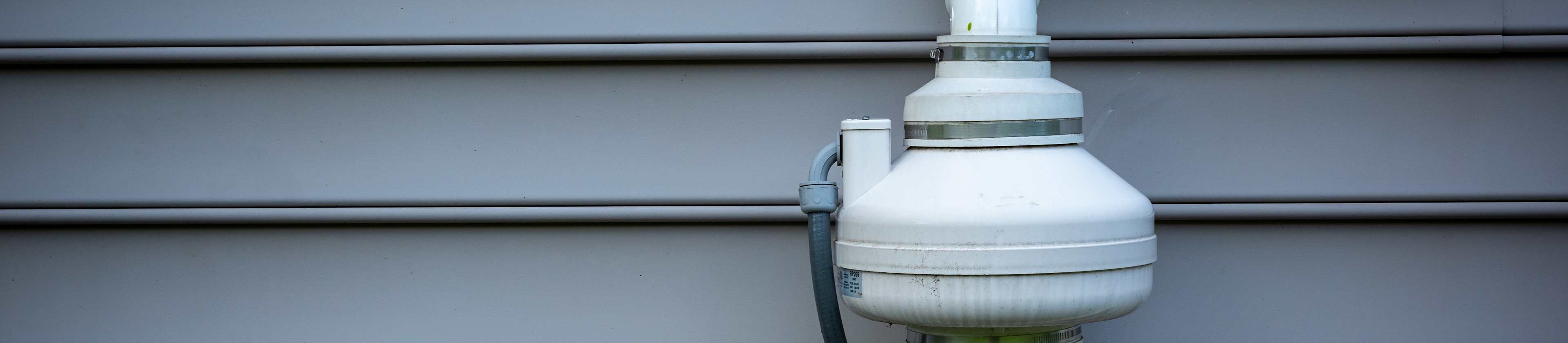
Your radon fan needs to operate 24/7 to be effective. The only time the fan isn't operating is during its replacement. Radon levels in the home can increase within hours if the fan stops working or something obstructs the stack vent. Fortunately, radon systems require no downtime maintenance between fan changes.

Your radon mitigation system may be loud because it’s time to replace it. Any sounds are usually from the inline fan that helps create the vacuum and resulting airflow. If you hear a new, loud mechanical or humming noise from your radon fan, it might be time to replace it. Most fans used in radon mitigation systems last up to 10 years, but may need to be replaced sooner.

Options include sub-slab depressurization, crawlspace ventilation, and sealing cracks. Choose based on home construction and radon levels.

The Washington, OK homeowners’ guide to radon detection and reduction services

From average costs to expert advice, get all the answers you need to get your job done.

What do you need done? We’ll find top pros.
  • 🌱 "Mow a small front yard"
  • 🛠 "Fix a leaking pipe under the sink"
  • 🏠 "Repair shingles on an asphalt roof"