







Top-rated paving pros.

Get matched with top paving pros in Pink, OK

Enter your zip and get matched with up to 5 pros

Need a pro for your paving service project in Pink, OK?

Select your specific project to find the pro for you.

TRUSTED BY PINK, OK HOMEOWNERS

  • Average homeowner rating star icon5
    Average homeowner rating
  • Verified reviews icon10
    Verified paving services reviews

Find Paving pros in Pink

Avatar for No Kap Paving
No Kap Paving
4.2(
5
)

Serving Pink, OK and surrounding areas

In business since 2021

Free estimates

"The best work I’ve had done in all my 22 years! Would extremely recommend going to these young entrepreneurs! Don’t waste your money with a hit and miss company! Go to these guys and get the job done right the first time and every time you need them! Great company with a great mindset!"
Driveways - Asphalt Project

+42

Recommended by80%of homeowners
...
Showing 1-10 of 72
Paving Services questions, answered by experts

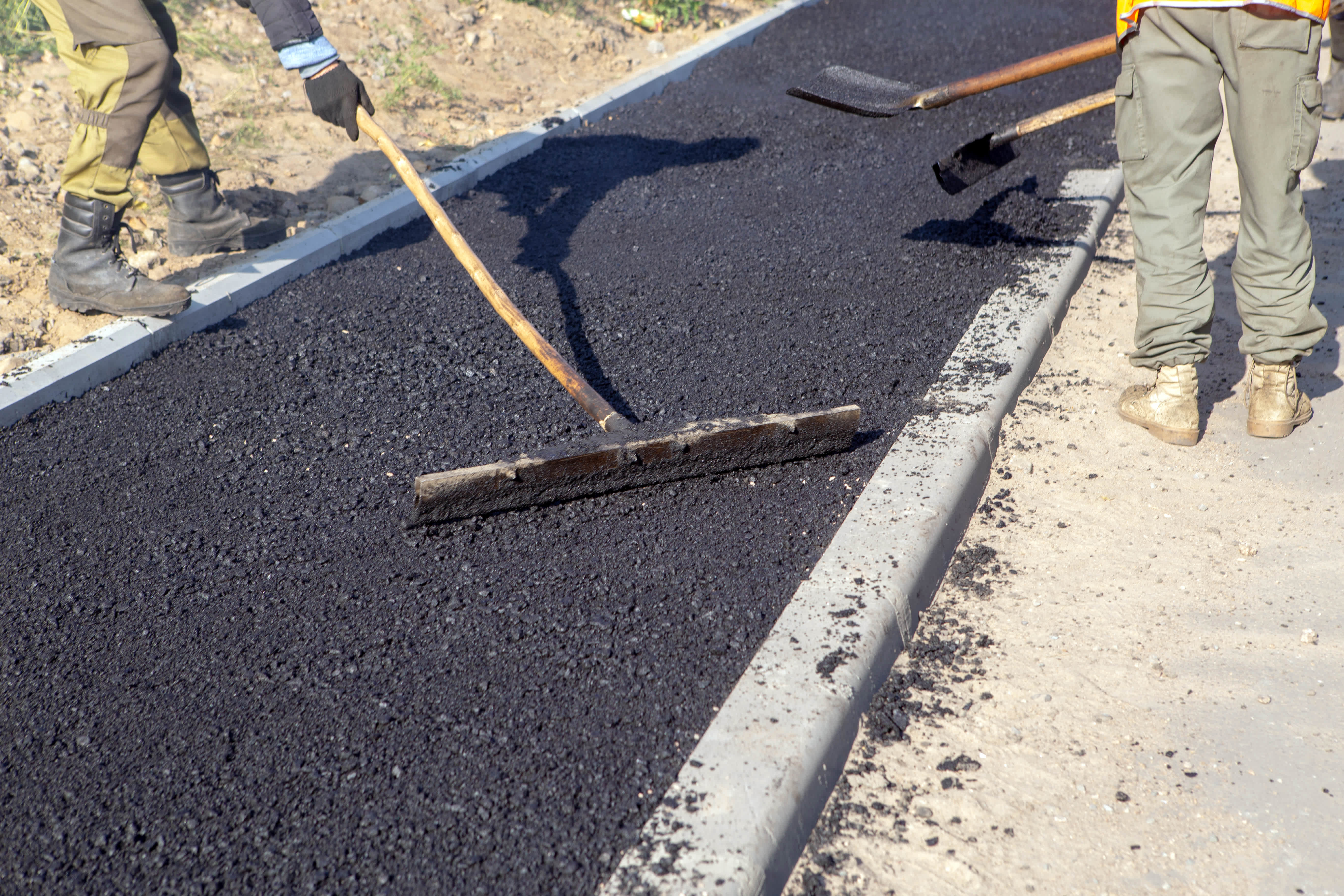
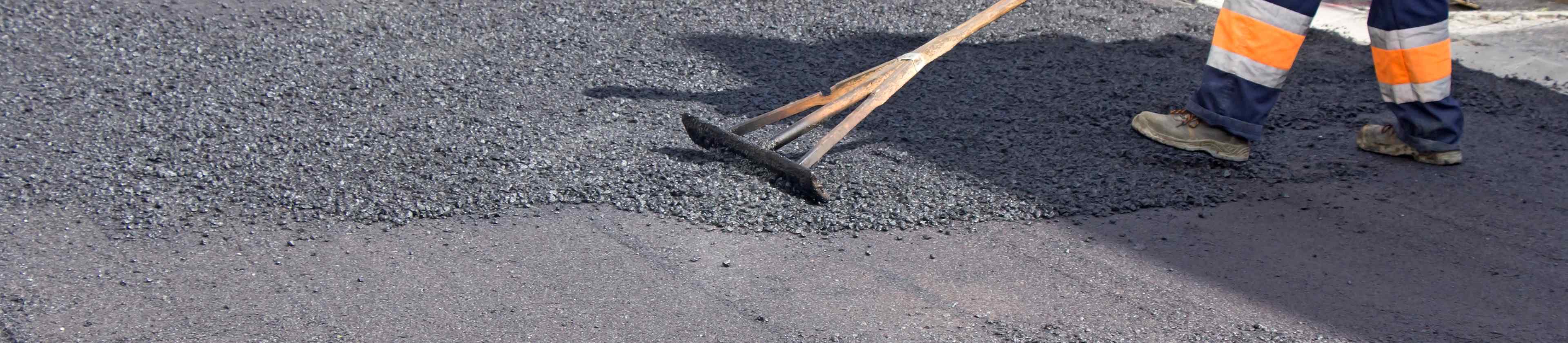
Asphalt dries and cures best between 50 and 85 degrees Fahrenheit. This range allows moisture to evaporate quickly without causing the asphalt to cool too fast, which can negatively affect the drying process. However, keep in mind that other weather conditions can also affect curing and drying times, such as precipitation and humidity.

Yes, with colored finishes and decorative stamping for a personalized touch.

Asphalt and tarmac are not the same thing. Traditional tarmac, short for tarmacadam, uses tar as a binder to hold crushed stone together. Asphalt uses bitumen—a byproduct of crude oil—to bind aggregate. Though tarmac was once a go-to for roads, asphalt has become the modern standard. And these days, most surfaces referred to as “tarmac” are actually asphalt. So, while the names may overlap, the key distinction lies in the binder—tar for tarmac and bitumen for asphalt.

The ideal distance between stepping stones depends on your design preference. A general rule is to place them about 24 inches apart from center to center to match an average person's stride. Another common approach is to leave about 6 inches of space between the edges of each stone; this can be adjusted to fit the path's total length without cutting pavers. If you plan to plant between the stones, leave at least 6 to 8 inches of space to give the plants room to grow.

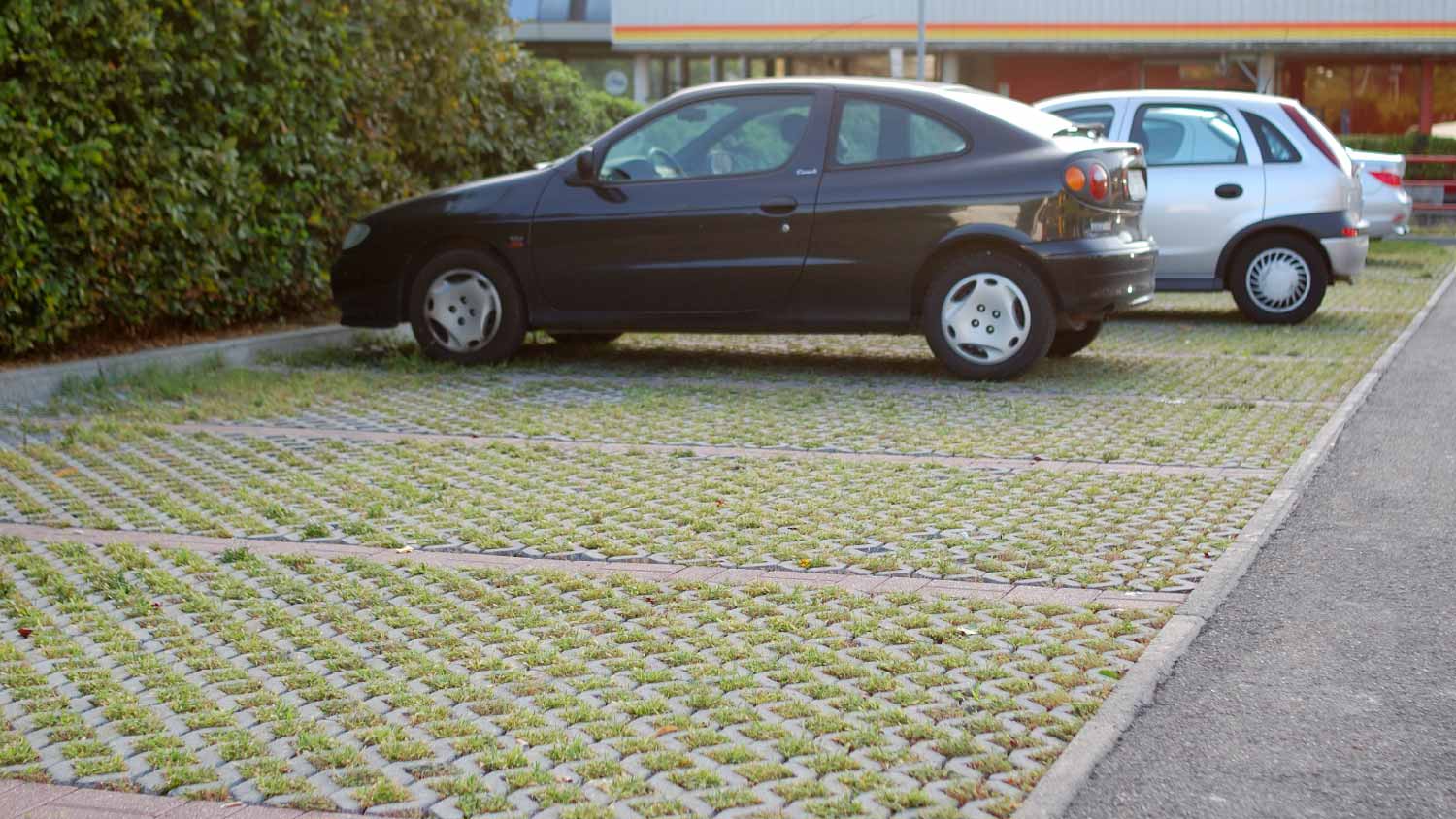
The most obvious disadvantage of permeable paving is that the cost is typically higher compared to non-permeable concrete, pavers, or asphalt methods. Also, the porous material can get clogged with dirt and debris, requiring cleaning and power washing more frequently than standard paving materials and methods. Although permeable paving is not ideal for highways, airports, and other surfaces supporting heavy traffic and machinery, it is suitable for regular residential driveways.

The Pink, OK homeowners’ guide to paving services

From average costs to expert advice, get all the answers you need to get your job done.