







Top-rated drywall pros.

Get matched with top drywall pros in Jennings, OK

Enter your zip and get matched with up to 5 pros

Need a pro for your drywall service project in Jennings, OK?

Select your specific project to find the pro for you.

Find Drywall pros in Jennings

Avatar for TULSA CHRISTIAN BROS PAINTING, LLC
TULSA CHRISTIAN BROS PAINTING, LLC
4.0(
41
)
Drywall - RepairDrywall - InstallDrywall - Install - For Business+1 more

Serving Jennings, OK and surrounding areas

Approved

In business since 2008

Free estimates

Emergency services offered

"Some communication issues caused the project to take longer than expected after multiple no-show days, but once they got going everything proceeded well. Very pleased with the end product and would definitely consider them first for our next paint project."
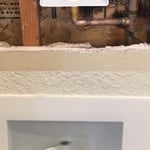
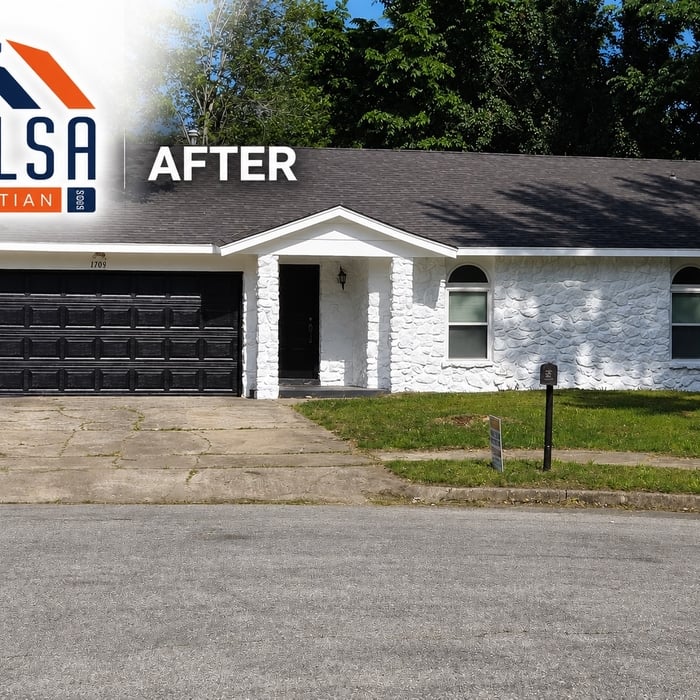
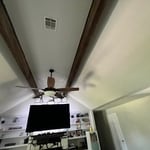
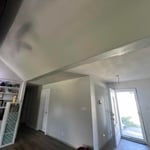
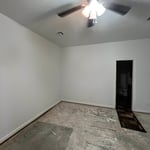
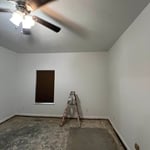
Project Photos
Project Photos
Project Photos
Project Photos
Project Photos

+11

84 neighbors recently requested a quote
Recommended by82%of homeowners
Avatar for Mosh-Crew Painting
Mosh-Crew Painting
New to Angi
Drywall - Repair

Serving Jennings, OK and surrounding areas

Approved

Free estimates

Small jobs welcome

Hi! Mosh Crew painting here! We are looking to bring a stress free environment when painting your home. You can count on over 25 years combined experience, promptness and professionalism from us. We hope to hear from you so we can help you love looking at your home again!

...
Showing 1-10 of 65
Drywall questions, answered by experts

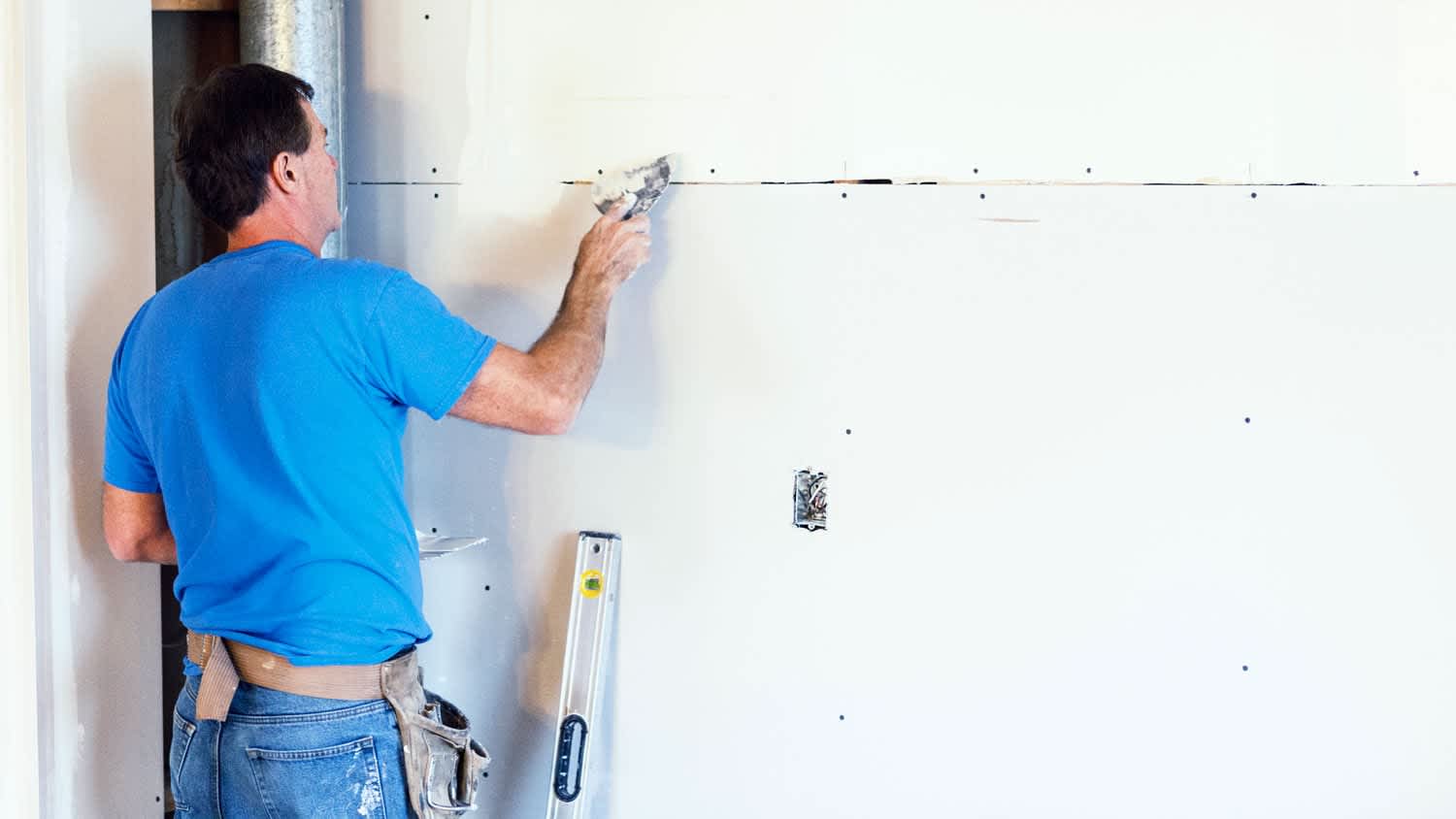
To hide drywall edges, you need to properly apply drywall tape and multiple layers of joint compound. These materials hide the seams between drywall sheets and fill the holes from drywall screws, leaving behind a smooth, flat finish to paint over. Apply joint compound smoothly, and finish the job by sanding the walls to make sure you fully hide drywall edges and other imperfections.

Drywall can get wet and dry out without sustaining permanent damage, but only if the water damage is minor. If you have a small leak and are quick to correct the issue and set up blower fans and dehumidifiers, your drywall should dry out. If the leak is persistent, the drywall becomes totally waterlogged, or mold begins forming on the drywall, you should remove and replace it.

Although they have similar applications, spackle and joint compound are not the same. Their primary differences lie in their composition, consistency, and ideal use cases.

Spackle is composed of gypsum and binding agents, making it thicker than joint compound. It dries quickly and is easy to sand, which makes it ideal for small wall repair projects like filling nail holes or patching minor damage.

Joint compound, also known as drywall mud, consists of limestone and gypsum. It is primarily used for large-scale projects, such as taping and finishing the seams on newly installed drywall. It tends to shrink more than spackle and can be more difficult to spread.

While both products can be used to fill small depressions and cracks, spackle cannot replace joint compound for taping and mudding new drywall. Conversely, you can often use joint compound for small patching jobs typically done with spackle.

While fumigation chemicals cannot pass through solid objects, they will seep into any openings in walls, doors, or other closed spaces. This allows them to get into tight places where pests may be hiding and causing damage, like termites ruining the foundation of your home. It also means that your home needs to ventilate for 48 hours before returning to ensure that no harmful chemicals remain in your space. 

New plaster must be fully dry and cured before painting. The drying time for plaster ranges from 1 to 4 hours, but the curing process can take more than five days, depending on various factors, including humidity levels, temperature, the amount of plaster used, and airflow in the area. You should always apply primer before painting plaster.

The Jennings, OK homeowners’ guide to drywall services

From average costs to expert advice, get all the answers you need to get your job done.