


Top-rated drywall pros.

Get matched with top drywall pros in Bristow, OK

Enter your zip and get matched with up to 5 pros

Need a pro for your drywall service project in Bristow, OK?

Select your specific project to find the pro for you.

Find Drywall pros in Bristow

Avatar for Grunt's Handyman Service
Grunt's Handyman Service
4.9(
9
)
Drywall - Repair

Serving Bristow, OK and surrounding areas

In business since 2005

Free estimates

Credit card accepted

"I had an unusual project, they were out the same day to look at the project, advise on costs and time needed, and we're prompt according to the plan we discussed and were polite and efficient in their work. While finishing up after the project, I opted to have them quote another project that wasn't as time sensitive and will definitely have them on my short list for future projects."
Response time1 day
Recommended by100%of homeowners
...
Showing 1-10 of 89
Drywall questions, answered by experts

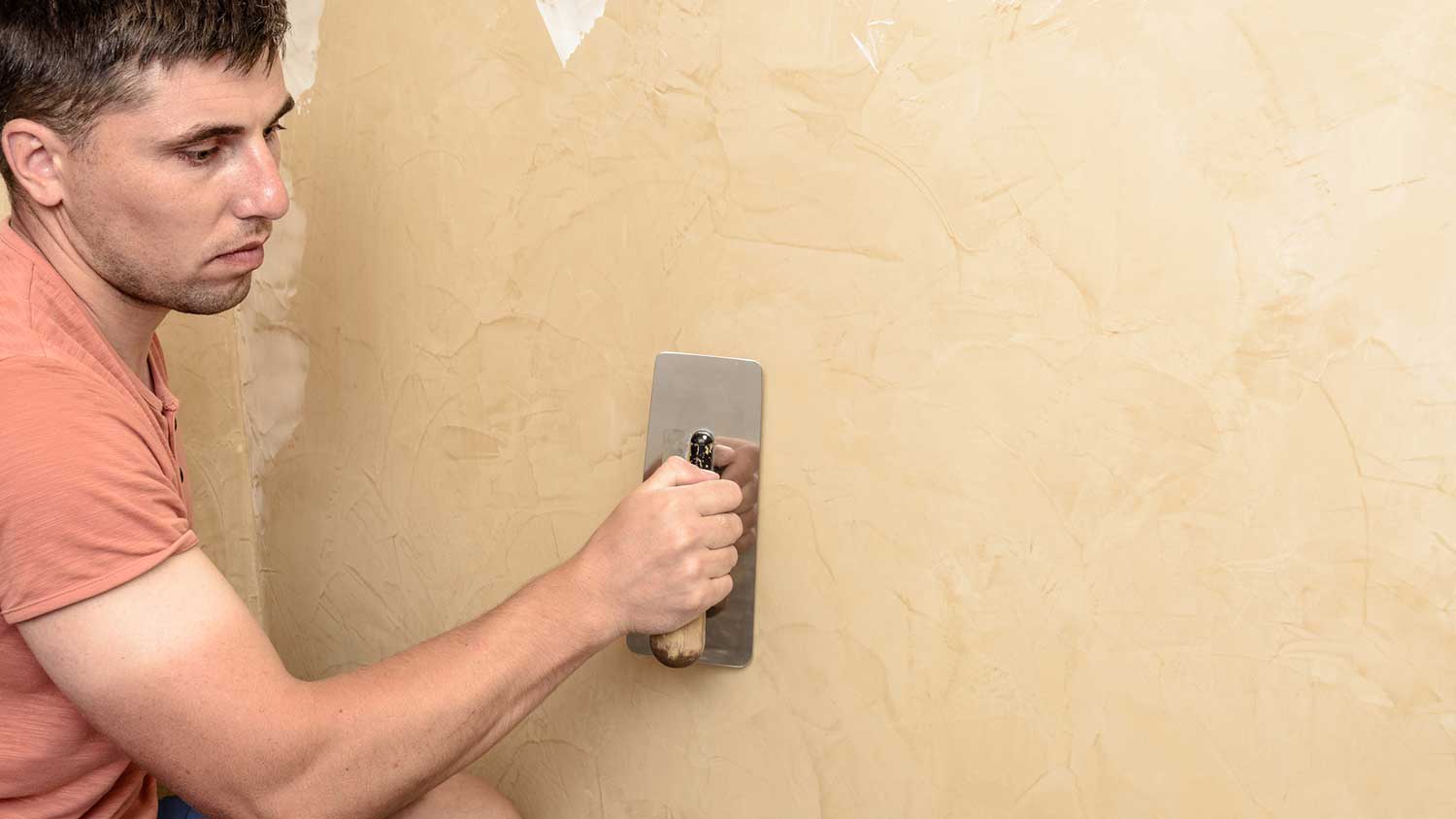
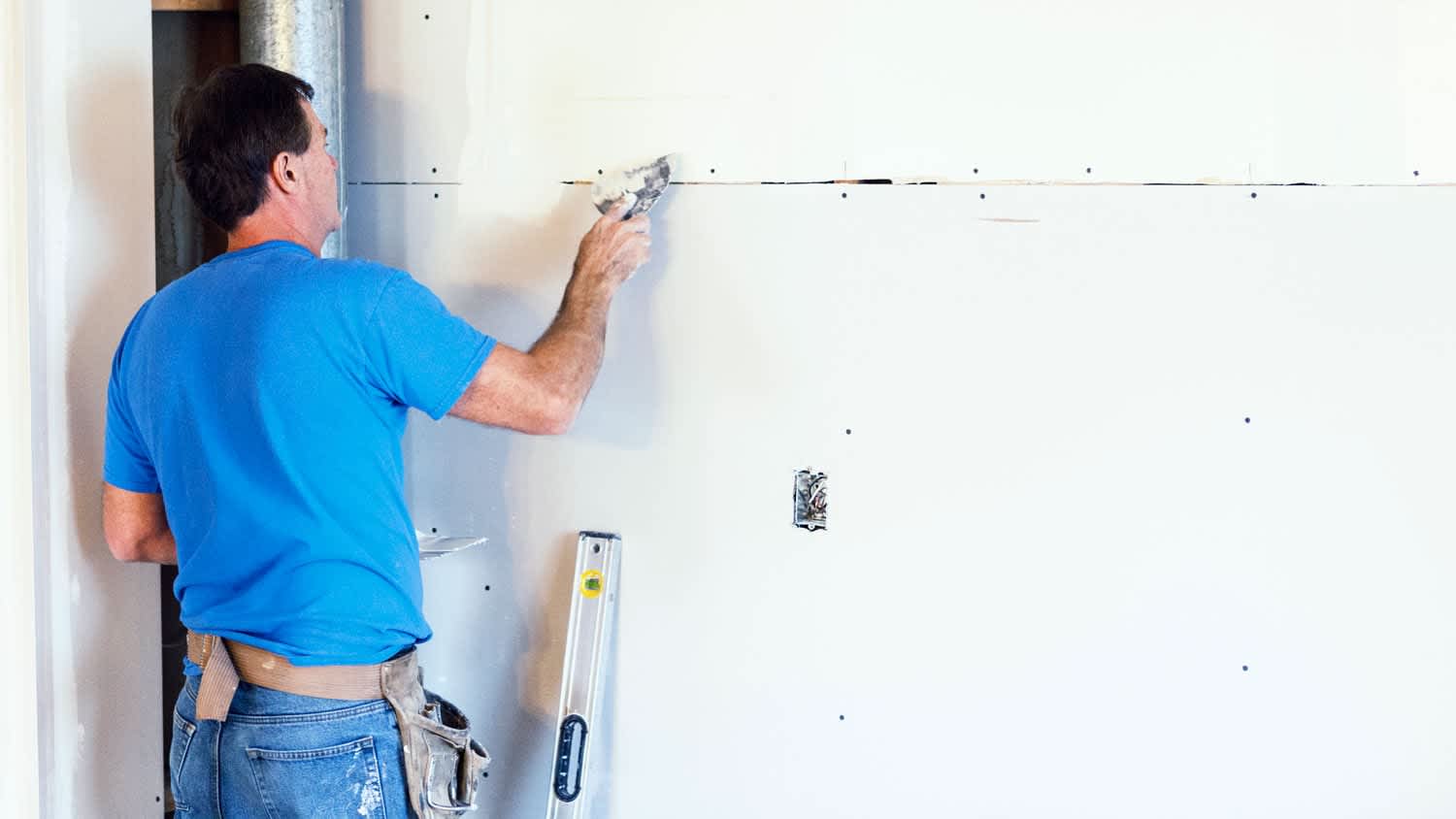
Plastering and skimming are two different techniques for finishing walls. Plastering involves applying a thick layer of a plaster mixture—typically containing gypsum, lime, cement, sand, and water—to create a new surface. This process often requires multiple coats and is used for repairing significant damage or creating decorative textures. Skimming, on the other hand, is a technique that involves applying a thin layer of drywall compound or joint compound over an existing surface to smooth it out, covering minor imperfections, small cracks, or uneven textures for a polished look. Plastering is generally more costly and labor-intensive than skimming. Although some people use the terms interchangeably, they refer to different processes and materials.

The best tool for skim coating drywall is a skim coating blade, which can smooth out joint compound in wide stretches. While you could use a smaller drywall knife for skim coating, the smaller size means it’ll take longer to smooth out each section. Instead, consider investing in a skim coating blade for the quickest application.

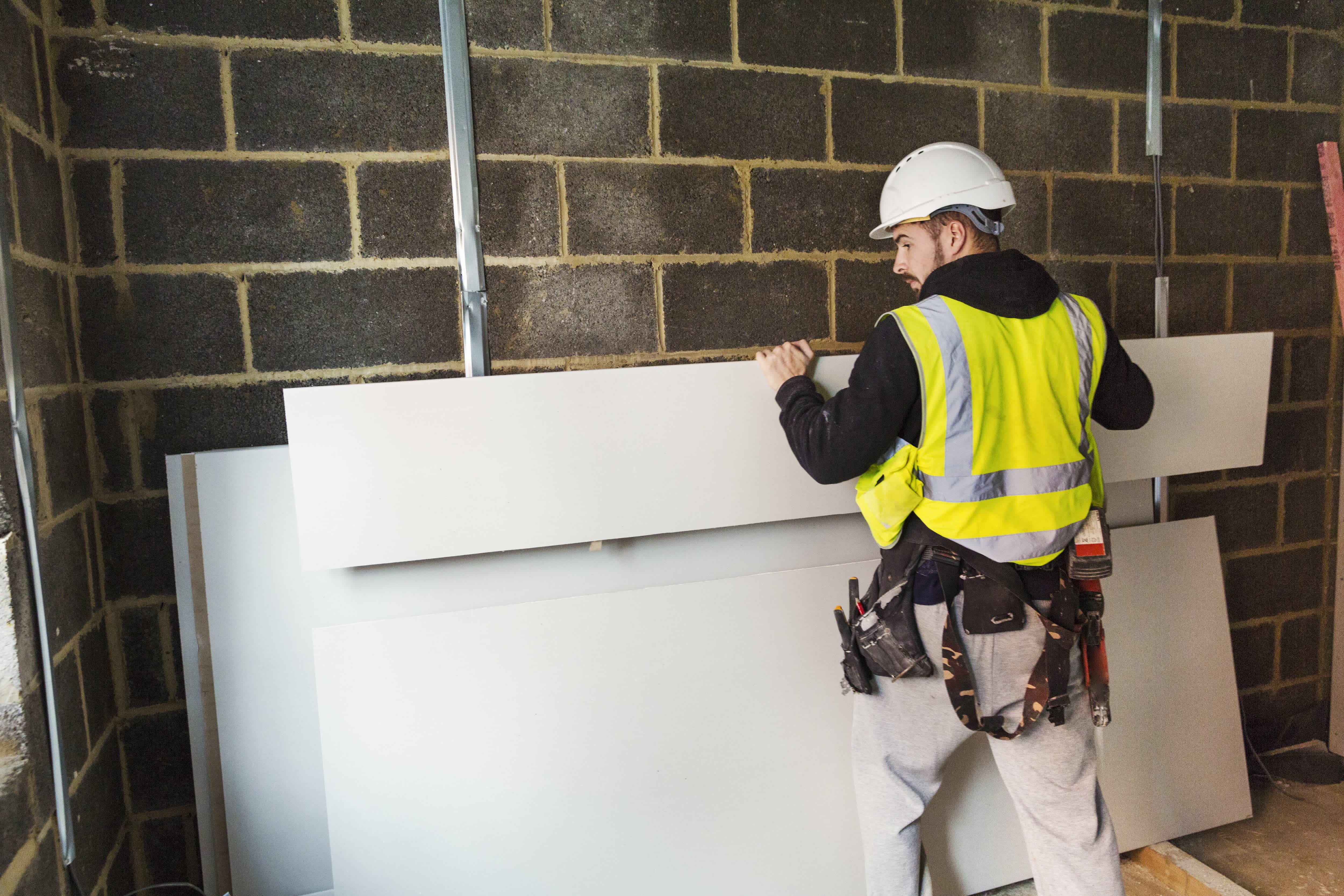
You should stagger drywall sheets to help prevent cracking. The joints between drywall sheets are the weak spots, so if you install drywall with seams aligned, you’ll create weak lines that run across the length of the wall and extend from floor to ceiling. But when you stagger drywall, the solid sections of panels will support the joints. This can prevent seams from cracking or separating due to fluctuating temperature and humidity, vibrations from movement inside the home, and gravity.

You should do a little bit of sanding between adding coats of mud. Knock down any ridges or significantly imperfect areas through sanding, which should help you apply the next coat of mud smoothly. If your first coat of mud is pretty smooth after it dries, a quick sanding is all you’ll need. Don’t forget to wipe away any dust after each sanding process.

Whether you need a drywall anchor depends on the specifics of your project, particularly what you're hanging and where. You do not need a drywall anchor if you can screw or nail the object directly into a wooden stud, as the wood provides sufficient support and stability. However, if there are no studs in the location where you plan to hang the item, you should use drywall anchors to ensure it is securely supported. For very lightweight objects, like small pictures, adhesive picture hanging strips can be a suitable alternative to anchors.

The Bristow, OK homeowners’ guide to drywall services

From average costs to expert advice, get all the answers you need to get your job done.