
Top-rated plaster repair specialists.

Best plaster repair specialists near Henryetta, OK

Enter your zip and get matched with up to 5 pros

Need a pro for your plaster repair project in Henryetta, OK?

Select your specific project to find the pro for you.

Top-Rated Plaster repair specialists in Henryetta - Updated Nov 2026

Avatar for 1935 Construction
1935 Construction
New to Angi
Plaster - InstallPlaster - Repair

Serving Henryetta, OK and surrounding areas

Approved

Free estimates

Emergency services offered

Small jobs welcome

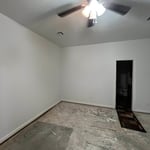
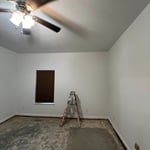
Introducing 1935 Construction Group (1935 CG)\n\nAt 1935 Construction Group, we believe every great project starts with a vision and is brought to life through quality craftsmanship, dedication, and attention to detail.\n\nWe specialize in commercial and residential construction, renovations, remodeling, and property improvements, helping business owners, investors, and homeowners transform their spaces.\n\nFrom restaurant and bar build-outs to commercial renovations and residential improvements, our goal is to deliver reliable service, quality workmanship, and results that exceed expectations.\n\nWhether you’re launching a new business, renovating an existing property, or bringing a new development to life, 1935 CG is committed to building lasting relationships and delivering projects you can be proud of.\n\n1935 Construction Group\nBuilding Vision. Creating Value. Delivering Excellence.\n\nLet’s build something great together.

2 neighbors recently requested a quote
Showing 1-10 of 33
Plaster Repair FAQs, answered by experts

Drying alone can take 1 to 4 hours to dry to the touch per plaster layer, but some types of plaster take several hours longer to dry. However, this doesn’t mean the job is done because plaster doesn’t fully harden until it cures, which can take a few days to a couple of weeks. It may take even longer if you’re building a new, pretty thick plaster wall. Allow the plaster to cure before painting it.

Repairing plaster walls or ceilings is almost always worthwhile. It restores the appearance of your home, and if it's an exterior wall, the repair can improve curb appeal and provide a great return on investment when selling. Plaster repairs can also reinforce the wall, preventing minor cracks from spreading, and improve your home’s energy efficiency by fixing gaps in the insulative material, potentially lowering your heating and cooling bills. Additionally, hiring a professional allows them to check if the damage is from a serious underlying issue, such as foundation instability. Catching a problem like this early could save you thousands.

It is possible to apply plaster on the interior or exterior of your home, but we don’t recommend it. Plaster is easy to apply in theory, but in reality, it can be a challenging material to work with, and it’s difficult to get the finished product to look clean, even, and smooth. Many DIYers end up calling in a professional afterward to touch up the area or even redo it entirely because of mistakes they made in the process. Hiring a plaster pro will cost more, but it’s usually the best option to achieve high-quality results.

Damp plaster does dry out, although the drying time depends on several factors, including the type of plaster, the surrounding temperature, moisture content, and the extent of the dampness. Sometimes, it can take weeks or months for wall plaster to dry naturally.

Although they have similar applications, spackle and joint compound are not the same. Their primary differences lie in their composition, consistency, and ideal use cases.

Spackle is composed of gypsum and binding agents, making it thicker than joint compound. It dries quickly and is easy to sand, which makes it ideal for small wall repair projects like filling nail holes or patching minor damage.

Joint compound, also known as drywall mud, consists of limestone and gypsum. It is primarily used for large-scale projects, such as taping and finishing the seams on newly installed drywall. It tends to shrink more than spackle and can be more difficult to spread.

While both products can be used to fill small depressions and cracks, spackle cannot replace joint compound for taping and mudding new drywall. Conversely, you can often use joint compound for small patching jobs typically done with spackle.

The Henryetta, OK homeowners’ guide to plaster repairs

From average costs to expert advice, get all the answers you need to get your job done.