




Top-rated plaster repair specialists.

Get matched with top plaster repair specialists in Checotah, OK

Enter your zip and get matched with up to 5 pros

Need a pro for your plaster repair project in Checotah, OK?

Select your specific project to find the pro for you.

Find Plaster repair specialists in Checotah

Avatar for ARC Remodeling
ARC Remodeling
5.0(
1
)
Plaster - Install

Serving Checotah, OK and surrounding areas

In business since 2020

Free estimates

Small jobs welcome

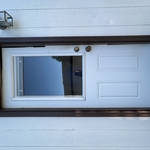
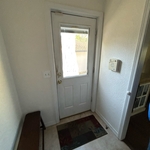
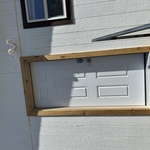
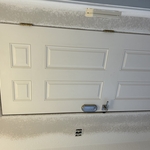
"The job ended up requiring more work than was originally expected. ARC Remodeling came up with a plan to fix the problems and shoddy workmanship the prior homeowner had done. This required getting more lumber, installing a door header, moving electrical boxes, and drywall work. ARC remodeling worked all day to make sure the opening would be weatherproof. They completed the door install with quality work and were conscientious about doing the job correctly. They cleaned up their workspace throughout the project. ARC remodeling gave me a very fair price for the work they did. They were very punctual and even helped with some minor work that was not part of the door install. I would highly recommend them and plan on using this company for future projects."
Door
Door
Door
Door
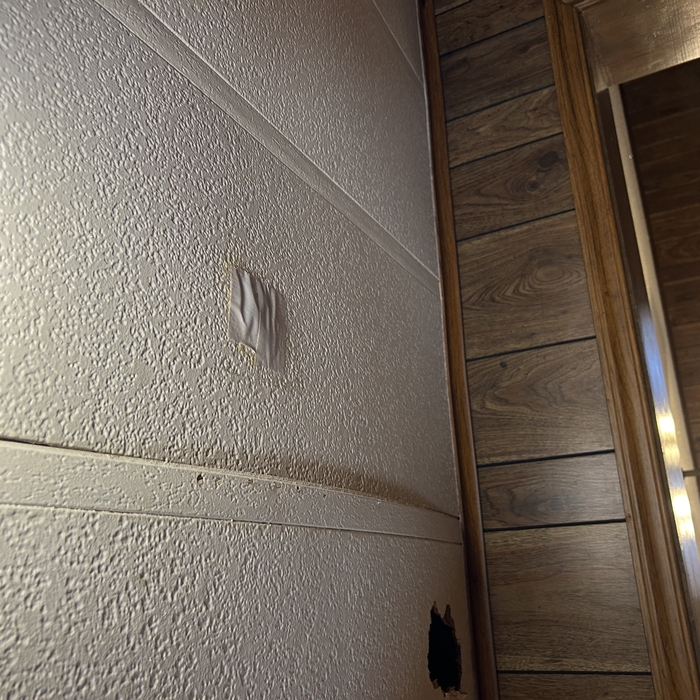
Kitchen Ceiling

+12

Response time10 mins
Recommended by100%of homeowners
Andyman
New to Angi
Plaster - InstallPlaster - Repair

Serving Checotah, OK and surrounding areas

In business since 2006

Free estimates

Here at Andyman, we are a company that values honesty and integrity and treats your home as if it were our own. You will find us to be competitively priced with close attention to the details of each and every project that we are involved with. We look forward to building lasting relationships and guarantee your satisfaction!

Response time4 hrs
Response rate100%
Showing 1-10 of 26
Plaster Repair questions, answered by experts

There are several warning signs that a ceiling crack is connected to a larger issue. For starters, if the crack is wider than 1/8 inch or longer than 12 inches, you might have a more serious problem. The same applies if you have multiple smaller cracks or cracks going across the ceiling and down the wall. In any of these situations, you should ask a professional to assess the damage.

Although they have similar applications, spackle and joint compound are not the same. Their primary differences lie in their composition, consistency, and ideal use cases.

Spackle is composed of gypsum and binding agents, making it thicker than joint compound. It dries quickly and is easy to sand, which makes it ideal for small wall repair projects like filling nail holes or patching minor damage.

Joint compound, also known as drywall mud, consists of limestone and gypsum. It is primarily used for large-scale projects, such as taping and finishing the seams on newly installed drywall. It tends to shrink more than spackle and can be more difficult to spread.

While both products can be used to fill small depressions and cracks, spackle cannot replace joint compound for taping and mudding new drywall. Conversely, you can often use joint compound for small patching jobs typically done with spackle.

You can skim coat plaster, but it’s better to repair the plaster itself. A skim coat is a thin coat of drywall joint compound spread over the surface of a wall. The result is a flat finish that looks pleasing, but part of the appeal of plaster is its imperfections and aesthetic. Skim coating is best when limited to drywall applications.

All plaster walls will crack over time due to normal house settling and expansion and contraction from temperature and moisture changes. Small, thin hairline cracks are generally not serious and are mostly a cosmetic issue. However, larger or more significant cracks can indicate structural problems.

Here's how to tell the difference:

  • Cosmetic Cracks: Cracks that are 0.5 cm (0.2 inches) or thinner are typically cosmetic.

  • Structural Cracks: Cracks wider than 0.5 cm, excessive or deep cracks, multiple cracks in the same area, or cracks that span around corners can signify a structural or foundation issue. Cracks along the joints where walls meet the ceiling also warrant attention.

For cracks wider than 0.5 cm, structural repair is needed. If a crack is 2.5 cm (1 inch) or wider, or if you notice any signs of a structural problem, it is best to contact a plaster repair professional to assess the damage.

Generally, your homeowner’s insurance might only cover ceiling collapses caused by problems under the coverage, such as a busted pipe. But if the ceiling collapse resulted from owner negligence, maintenance issues, or other reasons excluded by your policy, you could be on your own. Some policies might cover damages caused by the collapse but not the repair itself. Check with your policy carrier for the most accurate information regarding ceiling collapse coverage.

The Checotah, OK homeowners’ guide to plaster repairs

From average costs to expert advice, get all the answers you need to get your job done.