





Top-rated septic tank pros.

Get matched with top septic tank pros in Frederick, OK

Enter your zip and get matched with up to 5 pros

Need a pro for your septic tank service project in Frederick, OK?

Select your specific project to find the pro for you.

Find Septic tank pros in Frederick

Avatar for Roger Allen Restorations & Homes
Roger Allen Restorations & Homes
4.3(
19
)
Septic System - Install or ReplaceSeptic System - Install or Replace - For BusinessSeptic System - Repair+3 more

Serving Frederick, OK and surrounding areas

In business since 1947

Free estimates

"I recently purchased a Fannie Mae foreclosure, a house with nice potential but quite a mess to get started with.  I contacted a couple of names from Angie's List and Roger Allen was so professional from the get go (good guy too), I went with him pretty quickly.  He was able to get an estimate together and to my lender soon after I had asked.  I'm not an expert on pricing but his numbers were consistent with the other I had received and ended up being accurate by the time everything was done.  On small jobs that is easy, on the mess that was my house, quite a challenge.  We had problems all around from an iffy septic system, siding peeling away, no hot water heaters, ancient electrical boxes, decor from a generation long past, leaks in the shower/master bath, carpeting that had seen much better days, etc.  He was able to take care of everything inside of my budget without any glaring omissions.  Even when my wife picked out expensive paints, he was able to take care of the overage.  Roger and his people have been great, I'll be using him for any future fix-it jobs in the future for sure."
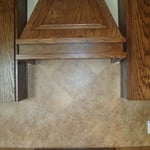
A small portion of a custom kitchen
Another kitchen with glass and enviroglass countertop
A million dollar foyer...
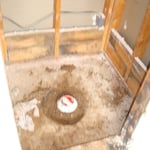
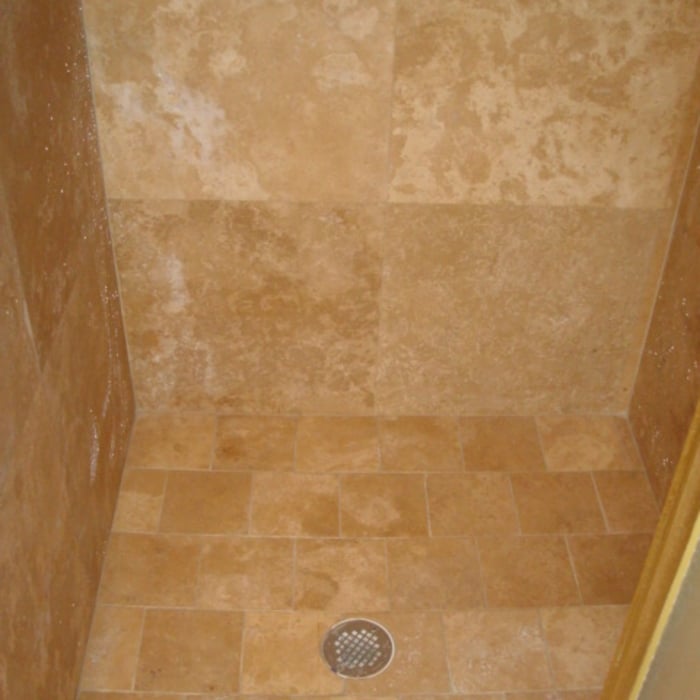
Installed Travertien after reinstalling a new concrete shower pan
The final finish

+2

Recommended by72%of homeowners
Septic Tanks questions, answered by experts

Yes. Amongst the four most common types of septic tanks—plastic, fiberglass, concrete, and steel—those made of concrete are the most expensive. This is the case for a few reasons, including the fact that they’re very heavy, so pros have to use specialized equipment to install them. However, they’re also incredibly durable, making the price worth it if it’s in your budget.

To prevent septic tank problems, save on repair costs, and keep your home running smoothly, it's essential to perform regular maintenance. Have your septic system inspected by a professional every one to three years, or annually if possible, to spot potential issues before they develop. You should also have your tank pumped every three to five years, or more frequently if recommended by a professional based on your household's usage. Additionally, be mindful of what goes into your system. Avoid flushing items like paper towels, wet wipes, and feminine hygiene products. Do not dispose of other inappropriate substances, and try to avoid excessive water usage at a single time.

Common signs that your well pump is failing include fluctuating or consistently poor water pressure, sputtering water from faucets, or a complete loss of water. Other indicators are unusual noises coming from the pump, the pump running continuously, dirty or cloudy water, or a sudden, unexplained spike in your utility bills. While some issues, especially after a power outage, might be resolved by simply restarting the power or priming the pump, persistent problems suggest a more serious issue. If you notice any of these red flags, it is recommended to call a professional well pump service to inspect the system and determine whether it needs to be repaired or replaced.

Bladder and diaphragm well pressure tanks are usually pre-charged at the factory. Even so, it’s important to check the air pressure in the tank using a tire pressure gauge on the relief valve. The instruction manual usually calls for 28 psi. Use a hand pump to add more air or release some air from the tank to reach the desired number. Check the pressure periodically to see if you need to add more air to the tank.

Septic drain lines (or leach lines) are typically buried between 18 and 36 inches underground, and should be at least 6 inches below the surface. These pipes are perforated and surrounded by filtering materials like sand or gravel. Burying the lines at this depth helps minimize odors and allows bacteria and other biological processes in the soil to effectively treat the wastewater. Burying lines too close to the surface can cause issues unless the soil is very compact and stable.

The Frederick, OK homeowners’ guide to septic tank services

From average costs to expert advice, get all the answers you need to get your job done.