Top-rated asbestos removal specialists.

Best asbestos removal specialists near Cushing, OK

Enter your zip and get matched with up to 5 pros

Need a pro for your asbestos abatement project in Cushing, OK?

Select your specific project to find the pro for you.

Top-Rated Asbestos removal specialists in Cushing - Updated Nov 2026

Asbestos Removal FAQs, answered by experts

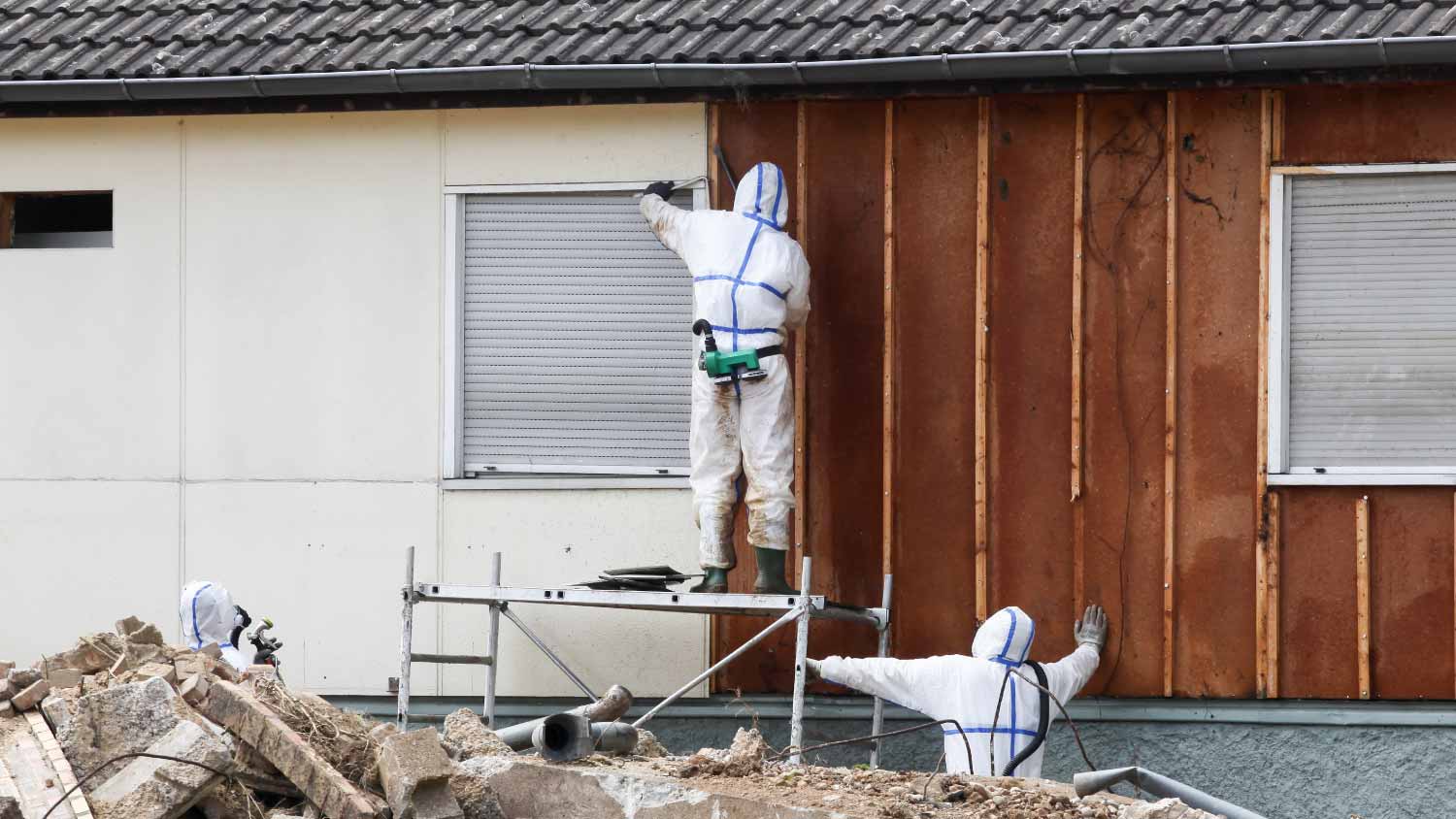
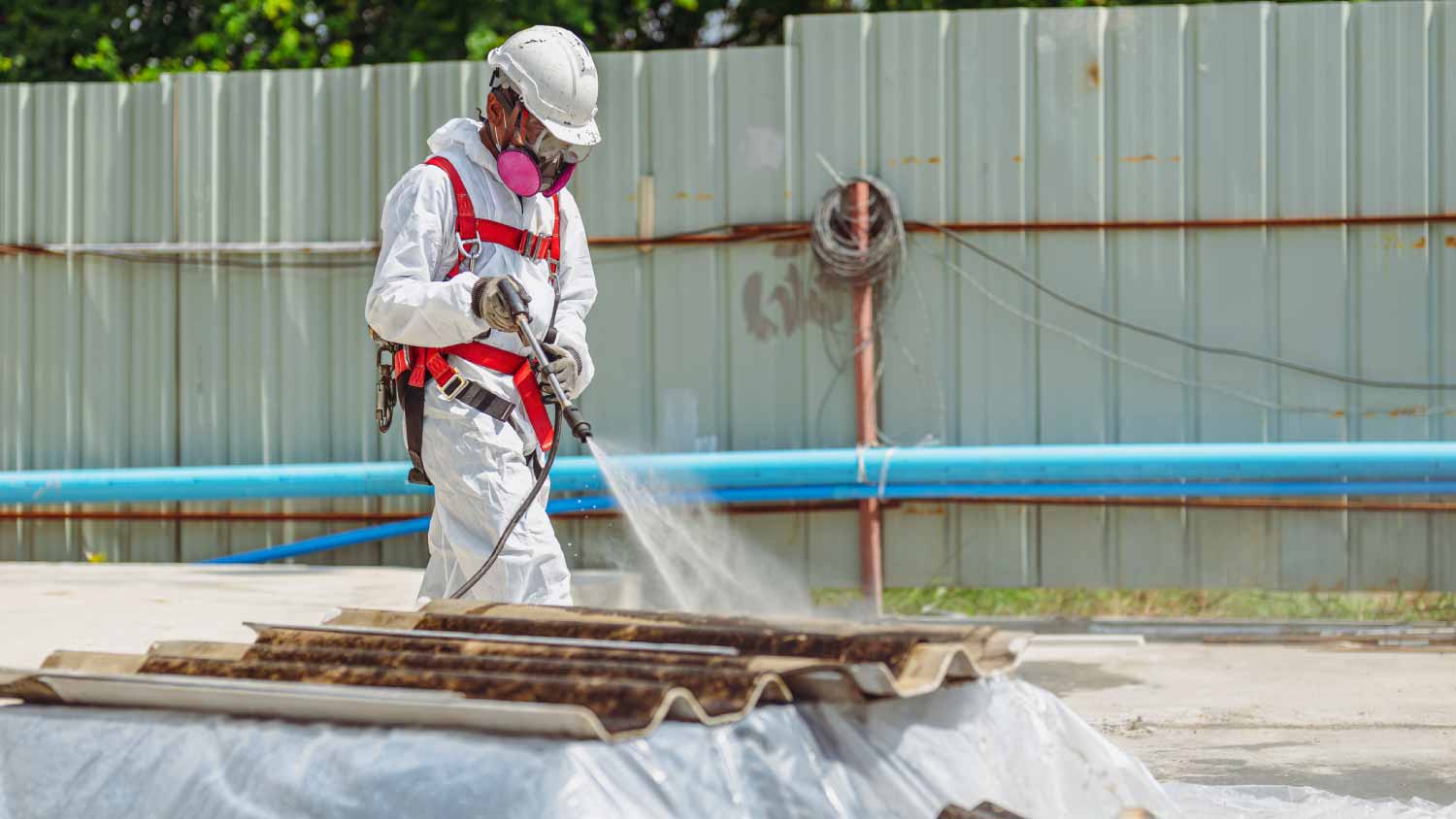
Detailed cleaning, air quality testing, and proper disposal of hazardous materials.

If the tiles are undamaged and in good condition, painting can be a safe method of encapsulating them, but it is important first to evaluate the state of the tiles before proceeding. If the tiles are deteriorating, damaged, or already loose, simply painting over them fails to address the underlying issues that can cause asbestos exposure. It is recommended to consult asbestos abatement experts in such situations to identify the best way to safely manage or remove the asbestos-containing materials. During the painting process, it is crucial to adhere to safety regulations and guidelines to reduce the potential health risks associated with asbestos exposure.

Asbestos has many beneficial properties, including fire resistance, strength, and chemical resistance. It is also an excellent insulator, which is why it was used in pipe insulation and other building materials for decades. For all its benefits, asbestos is dangerous for human health, which is why it was eventually banned from use in certain products.

It is strongly advised not to touch or disturb asbestos-containing materials unless necessary. Asbestos fibers can be released into the air when the material is damaged or disturbed, posing serious health risks if inhaled. It is best to leave any handling of asbestos to trained professionals who can remove the asbestos safely.

According to the Environmental Protection Agency (EPA), hazardous waste is generally classified into four main categories:

1. Characteristic Wastes: These exhibit at least one of four hazardous traits: ignitability (flammable, like gasoline), corrosivity (can rust or decompose materials, like car batteries), reactivity (unstable and can explode, like aerosol cans), or toxicity (harmful when ingested, like lead-based paint).

2. Listed Wastes: These are specific wastes from manufacturing and industrial processes that the EPA has officially designated as hazardous. They include byproducts from processes that use solvents, pesticides, and other chemicals.

3. Universal Wastes: These are commonly generated hazardous items that are subject to streamlined regulations. Examples include batteries, pesticides, mercury-containing equipment (e.g., bulbs), and some lamps.

4. Mixed Wastes: This category includes waste that contains both hazardous and radioactive components, making it subject to regulation by both the EPA and the Nuclear Regulatory Commission.


The Cushing, OK homeowners’ guide to asbestos removal services

From average costs to expert advice, get all the answers you need to get your job done.