





Top-rated septic tank pros.

Best septic tank pros near Checotah, OK

Enter your zip and get matched with up to 5 pros

Need a pro for your septic tank service project in Checotah, OK?

Select your specific project to find the pro for you.

Top-Rated Septic tank pros in Checotah - Updated Nov 2026

Milty The Septic Guy LLC
4.7(
67
)
Septic System - Install or ReplaceSeptic Tank - Clean or Pump OutSeptic System - Repair+3 more

Serving Checotah, OK and surrounding areas

Approved

In business since 1997

Emergency services offered

Credit card accepted

"Excellent service, very professional. We received a brochure that provides great tips for maintaining septic systems and the service provider gave us lots of additional information regarding care and maintenance. Definitely recommend!"
Additional Photos
Additional Photos
6 neighbors recently requested a quote
Recommended by91%of homeowners
Avatar for Sweet Septic Pumps
Sweet Septic Pumps
5.0(
2
)
Septic Tank - Clean or Pump OutSeptic Tank - Clean or Pump Out - For Business

Serving Checotah, OK and surrounding areas

In business since 2025

Free estimates

Credit card accepted

Sweet Septic Pumps, proudly serves our customers with pride, integrity, and attention to the details that matter most to you. This is one of the many things that set us apart from the rest. We are locally owned and operated. Give us a call today!

Pumping
Response time2 days
Response rate100%
Avatar for Roger Allen Restorations & Homes
Roger Allen Restorations & Homes
4.3(
19
)
Septic System - Install or ReplaceSeptic System - Install or Replace - For BusinessSeptic System - Repair+3 more

Serving Checotah, OK and surrounding areas

In business since 1947

Free estimates

"I recently purchased a Fannie Mae foreclosure, a house with nice potential but quite a mess to get started with.  I contacted a couple of names from Angie's List and Roger Allen was so professional from the get go (good guy too), I went with him pretty quickly.  He was able to get an estimate together and to my lender soon after I had asked.  I'm not an expert on pricing but his numbers were consistent with the other I had received and ended up being accurate by the time everything was done.  On small jobs that is easy, on the mess that was my house, quite a challenge.  We had problems all around from an iffy septic system, siding peeling away, no hot water heaters, ancient electrical boxes, decor from a generation long past, leaks in the shower/master bath, carpeting that had seen much better days, etc.  He was able to take care of everything inside of my budget without any glaring omissions.  Even when my wife picked out expensive paints, he was able to take care of the overage.  Roger and his people have been great, I'll be using him for any future fix-it jobs in the future for sure."
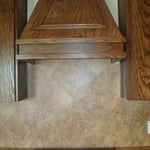
A small portion of a custom kitchen
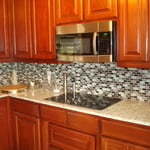
Another kitchen with glass and enviroglass countertop
A million dollar foyer...
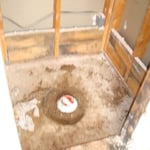
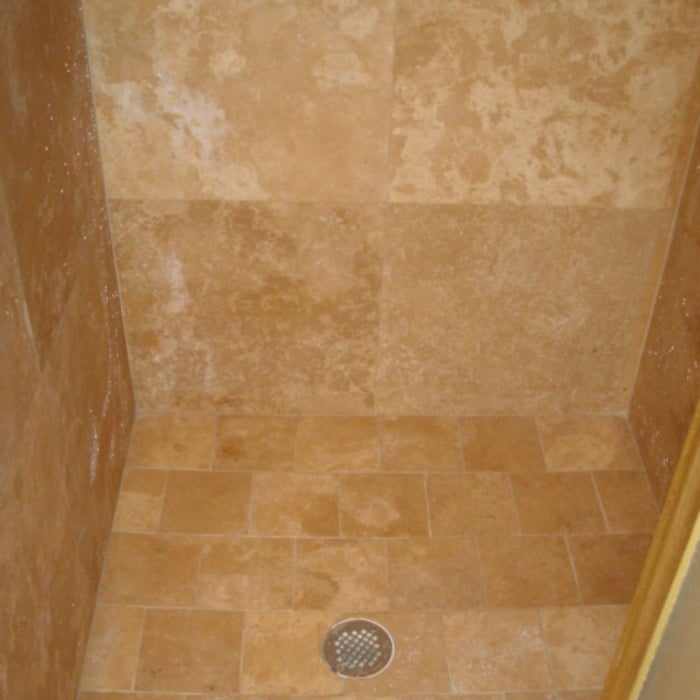
Installed Travertien after reinstalling a new concrete shower pan
The final finish

+2

Recommended by72%of homeowners
Septic Tanks FAQs, answered by experts

You can check your own septic tank, but take precautions. Locate the access lid, usually buried a few inches underground, and remove it carefully. Look for the sludge and scum levels, and if they’re high, that means pumping may be necessary. Check for odors, slow drains, or pooling water around the drain field, which could indicate issues. Never enter the tank, as toxic gases can be fatal. All of that being said, a professional inspection is safer and more thorough.

The ideal depth of a septic drain field is 18 to 36 inches below the surface. The trenches must be deep enough to allow proper wastewater distribution and filtration while remaining shallow enough for oxygen to reach the soil, promoting bacterial activity that helps break down contaminants. In areas with high groundwater or poor drainage, shallower systems like mound drain fields may be required.

The pressure in a well pressure tank should be set 2 to 3 PSI below the pump's cut-on pressure. The cut-on pressure is the lower number in the pressure setting (e.g., the '30' in 30/50 PSI) and is the point at which the pump starts. The cut-out pressure is the higher number, where the pump stops.

For example:

  • If your pressure switch is set to 30/50 PSI, the tank pressure should be 27-28 PSI.

  • If your pressure switch is set to 40/60 PSI, the tank pressure should be 38 PSI.

Common pressure settings for household applications include 20/40, 30/50, and 40/60 PSI. The difference between the cut-on and cut-out pressure is typically 20 PSI.

If your leach field becomes clogged or saturated, it can cause several problems with your home's septic system. The clog can cause sewage to back up into your home, leading to unpleasant odors and mess. A backed-up septic system can be a health hazard, particularly if the sewage starts to leach into the ground surrounding the leach field.

There are several ways to fix a saturated drain field, including cleaning out your septic tank, adding enzymes and additives to your drain system, and installing a larger septic system.

Ensuring you have adequate space for your engineered septic system is crucial. You’ll need to reserve approximately 900 square feet for a three-bedroom home’s system. However, the type of soil you have, soil absorption rate, the size of your home, climate, and local zoning code will impact the actual amount of space you need.

The Checotah, OK homeowners’ guide to septic tank services

From average costs to expert advice, get all the answers you need to get your job done.