Doorbell Installation questions, answered by experts
Structural insulated panels and rigid foam boards have the highest R-value of any insulation that contractors commonly use, with R-values reaching up to around 8.0. These types of insulation are best in extremely cold climates, but they’re generally preferred for new construction, as they can be challenging to retrofit. Blown-in and loose fill insulation provide the next best insulative value, provided the installation is done properly. It’s important to choose an insulation type that meets your needs based on climate, as maximizing R-value may not always be financially worthwhile if you live in a moderate climate.
Blown-in insulation works, but only for unfinished attics. Also, it isn’t the longest-lasting nor the most effective option. For better options, look into spray foam insulation or natural fiber batts. They typically have a longer lifespan, better heat resistance, and stronger sound-proof abilities. Spray foam insulation costs about $1.25 to $1.50 per square foot, but can go up to more than $4 per square foot. Fiber batt pricing varies depending on the material.
Radiant barriers and insulation serve different purposes, so one is not inherently better than the other. Radiant barriers reflect radiant heat, helping keep spaces cool, especially in hot climates, while insulation slows heat transfer through conduction. For optimal energy efficiency, it’s best to use both together.
Radiant barriers can enhance the performance of insulation by preventing heat gain in the summer and heat loss in the winter. The choice between them depends on specific climate conditions and the building’s design requirements.
Drywall insulation costs around $1,800, on average, but prices can range from $500 to $4,500, depending on a few different factors. The following things are important considerations to make when pricing out your insulation project:
Square footage of insulation
Type of insulation
Climate in your area and the insulation R-value required
Whether or not your walls are already finished
Accessibility of the area
Whether or not you need old insulation removed first
Professionals can install a radiant barrier in a day or two, but DIY installation will take several days. The time it takes to install a radiant barrier depends largely on the size of the space and the installation method. Larger homes can take a pro two to three days to finish the job. It’s also quicker to lay foil over existing insulation.
The Buffalo, OK homeowners’ guide to doorbell installation services
From average costs to expert advice, get all the answers you need to get your job done.
Ring a bell? From replacing a wired doorbell to setting up a smart home system, learn about typical doorbell installation costs, including materials and labor.
How much does it cost to install a doorbell camera? It depends on whether you plan to DIY or hire a pro. Learn about different models and their power sources, too.
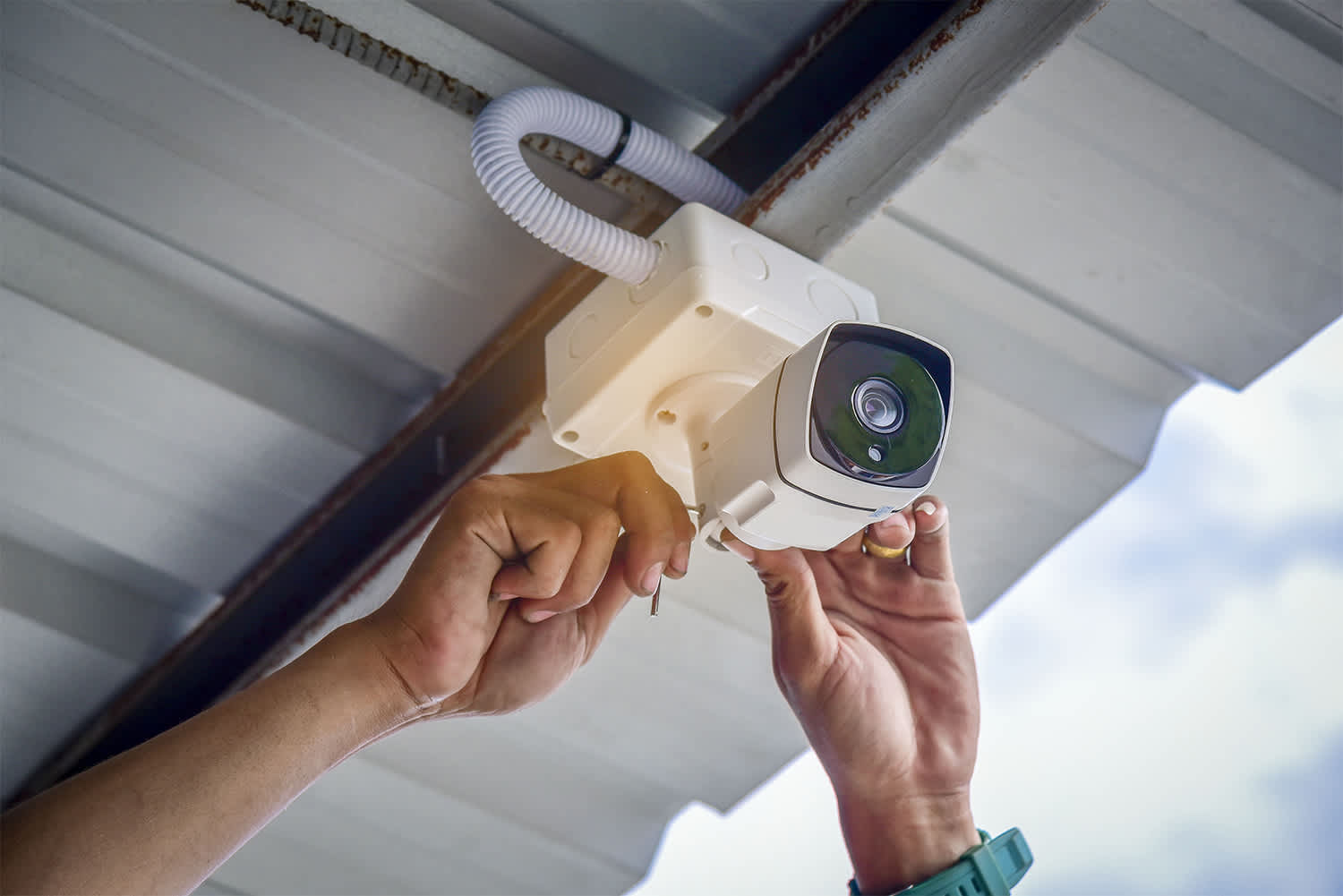
Doorbell wiring is a project you can DIY. This guide covers everything you need to know, from different types of doorbells to wiring, and how to remove an old doorbell.
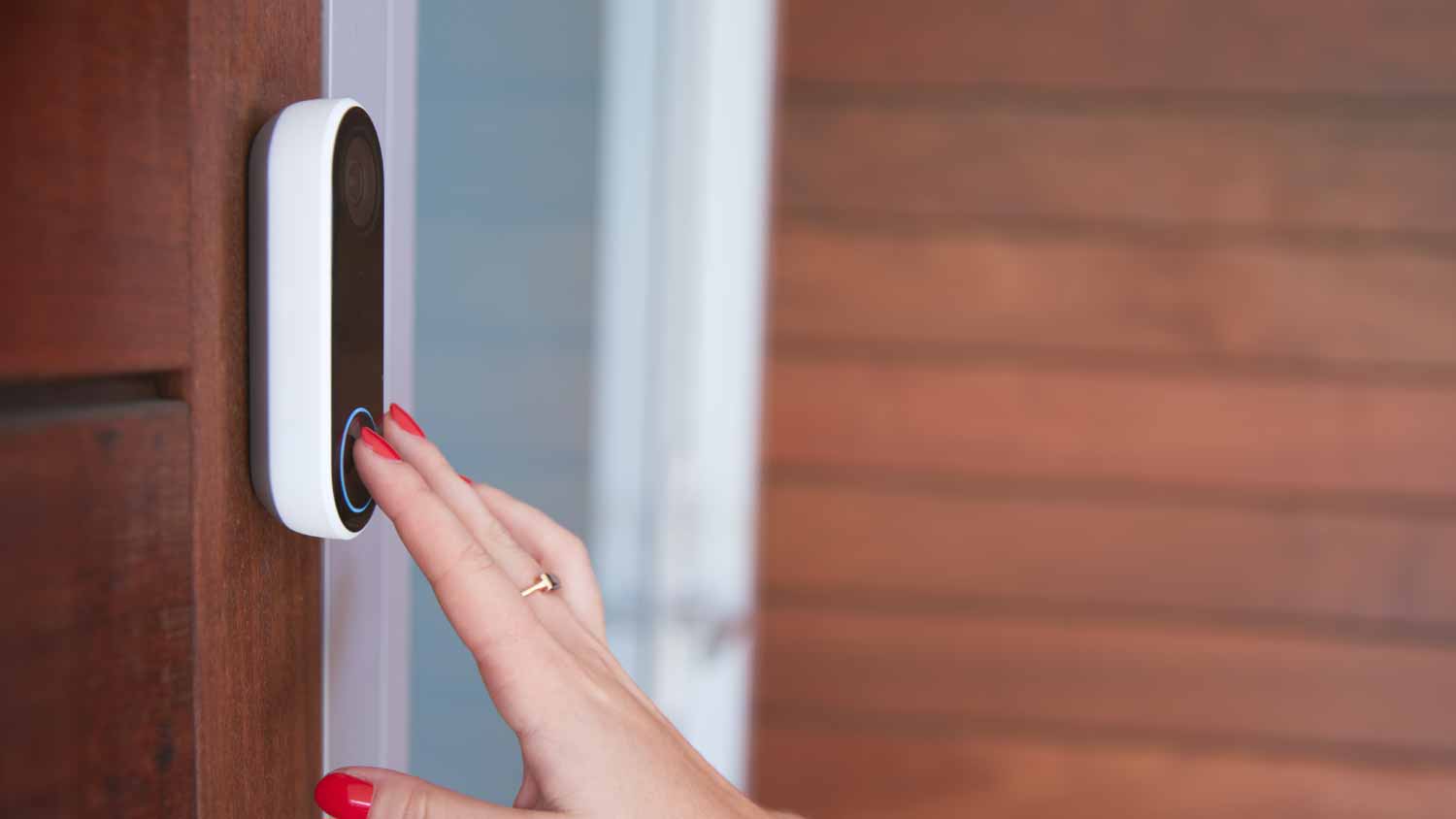
Ready to upgrade your front door and learn how to wire a doorbell? You may be able to handle this relatively simple DIY installation without an electrician.