"Govea , came to home to see if he could repair our front deck. Front deck was ugly and when he got finished it was beautiful. We have seen some things he does. I needed a ramp going out the back door. Again Sunday and Monday there was a beautiful ramp going down to the ground. We cannot say about this man other then is awesome. Very hard worker. He is awesome!! Believe me you will be happy when he is done"
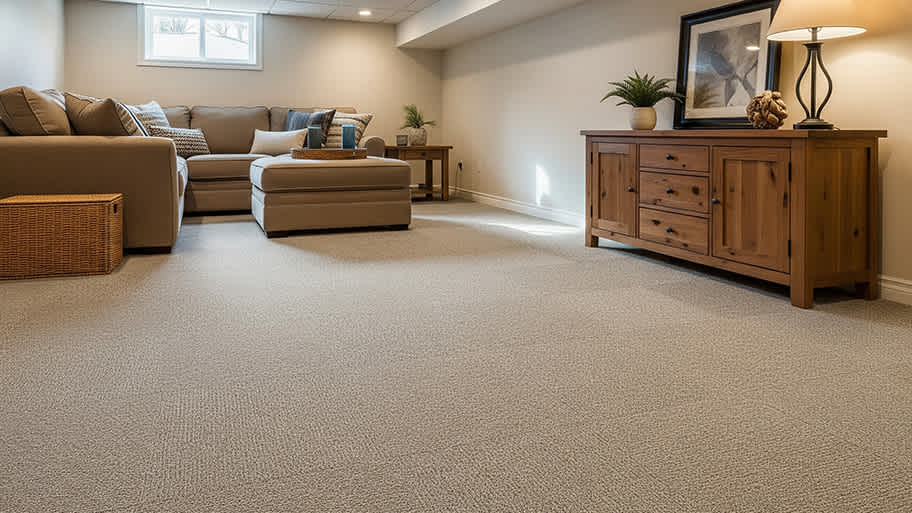
"Excellent. They returned the rooms to their condition prior to installation. The cleaned up so well after themselves that we wondered whether they had actually been in our house, then we looked at the new carpet. Excellent family business, multi generational, courteous, helpful, good problem solvers. Would definitely use them again, and would recommend them without reservation. They were not the least expensive, but were the best."
We are a locally owned and operated company that values honesty, integrity, and treats your home as if it were our own. We offer a variety of services that are customizable to each individual project. You will find us to be competitively priced, paying close attention to the details of each project that we are involved with. We look forward to building lasting relationships, and guarantee your satisfaction!
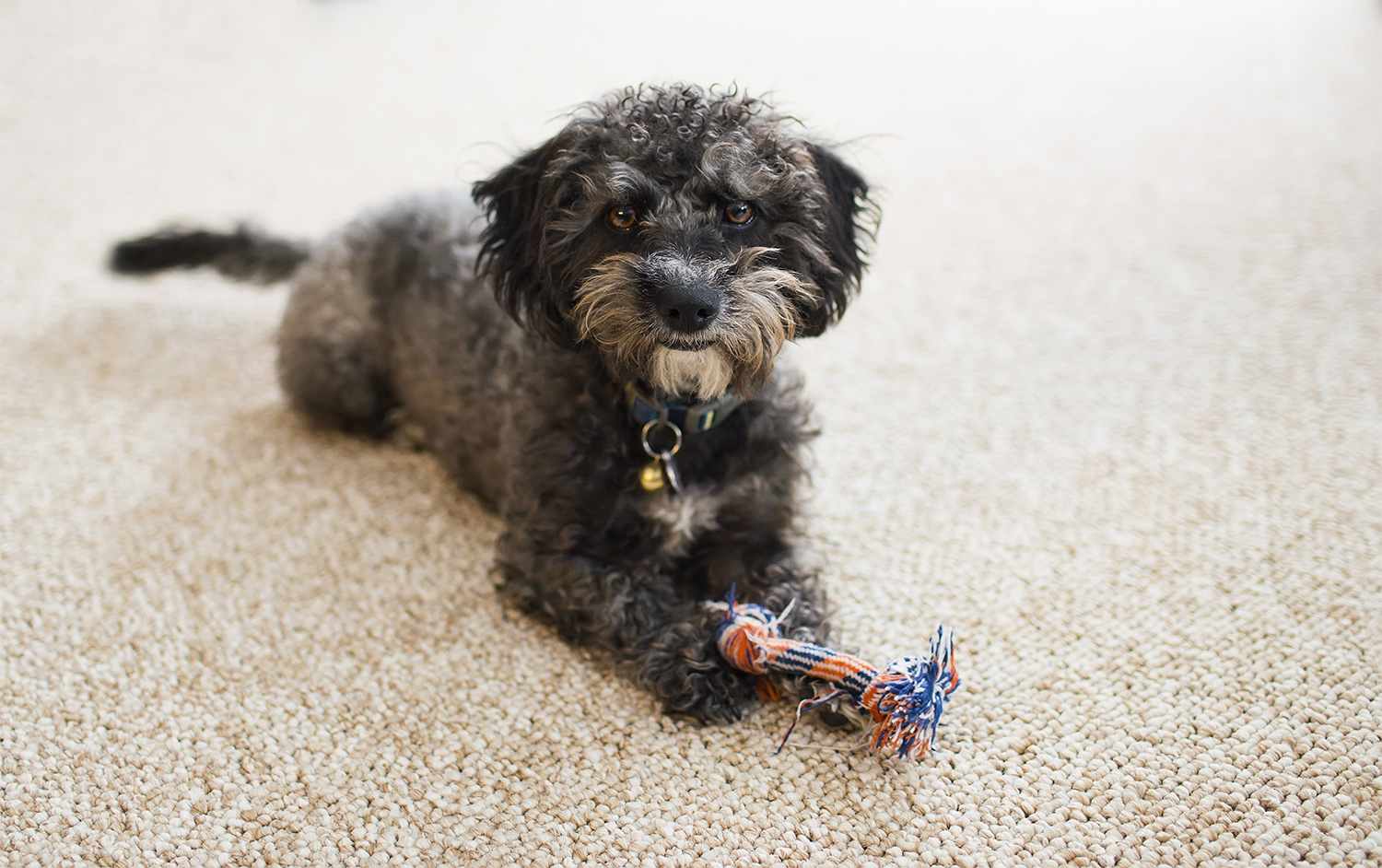
At Rug Beaters, quality is the key word! With over 30 years of experience and passed down from father to son, there is no problem we can't handle! Call us today for your free estimate! We specialize in removing pet odors from your carpets.
"The service worked out good. They came out and did their job. The first day, I think we had to reschedule, but once they started working, they were right on-time, got it done, and they cleaned-up after themselves. I did ask them a question to see about something else and they never got back to me about that. So, they never did a follow-up once they had completed their job. I guess they just moved on and I had two more small jobs I thought he could handle, but he never came back to follow-up on those. The price was a really good price. It was a special so it was not their normal price. It looks good."
Roger and his crew did a great job on both our kitchen and bathroom remodels. He was very responsive to my questions/ requests. I felt that we had a good working relationship throughout the whole process. He was easy to contact and returned calls/texts in a timely manner. The people that worked in our house were professional and did top quality work. When we had issues with work, we did not think looked its best or did not work properly, he came in a fixed them. It has been two months since our remodel was completed and I couldn't be happier. I love my new kitchen and bathroom. They are both exactly what I envisioned them to be and I appreciate that it was completed in the timeline that was outlined at the beginning of the project. I would highly recommend Roger Allen and Associates.
Feyo's Carpet & Auto Detailing Services, LLC is committed to excellence in every aspect of our business. We uphold a standard of integrity bound by fairness, honesty, and personal responsibility. Our distinction is the quality of service we bring to our customers. Accurate knowledge of our trade combined with ability is what makes us true professionals. Above all, we are watchful of our customers' interests, and make their concerns the basis of our business.\n
"This company is very willing to follow instructions and work hard. They have other services that I have not used as yet, such as carpet cleaning and laundry services. They bring their own cleaning supplies, but use my vacuum. After they are finished , they do a walk through with me to check to see if I am satisfied with their work. I feel I get a good value for the money paid. "
"She came and helped me out after my surgery. She was not only good at her job, but she was also pleasant to be around too! She went above and beyond."
Rick Holden and Company is the leader in the Carpet and Upholstery Cleaning Services servicing the entire state of Oklahoma as well as the surrounding counties of joining state, our mission is for a perfect clean for your home or office every time.\n\nI started in the carpet and upholstery care industry many years ago with an understanding that homeowners and commercial office owners needed dependable cleaning service.\nOver the years we have changed with the needs and request of the homeowners and business owners as well, we offer cleaning products from green safe to industrial agents.\nWithin the last year we have completed many project in and around the communities for property owners of all types, we still receive thanks for a job well done.\n\nRick Holden and Company is about honest service and a guarantee for all, with the latest in cleaning equipment, fast dependable service there is no job to big or small for us.\nWhen it comes to the care of your Carpet and Upholstery call the company with the proper way to get the job done. Call Today!\n\n\n
Carpet Installation questions, answered by experts
Taking carpet off stairs is an easy but multi-step process you can usually do yourself. If you have the right tools, time, and oomph to finish the job, removing carpet from stairs can be an easy-to-medium difficulty task, depending on your stairs, the type of carpet installed, and how willing you are to get your hands dirty. It’s important to review the process, gather the right tools before you begin, and follow a tutorial or directions while you work.
Installing carpet on stairs involves a lot more cutting, tucking, tack strips, and time. The shape of your staircase, along with the material and construction of the carpet you’re installing, will also increase the cost. Carpet installation on stairs will cost $400 to $800 in total, but it can go as high as $2,500 for difficult staircases, such as wrap-around, upholstered, or spiral staircases.
If you’re using a carpet runner instead of a traditional carpet, pay attention to your width measurements. Instead of measuring the total width of your staircase with 2 added inches for foldover, simply measure the width you’d like the runner to cover. Runners generally come in standard sizes, so you may need to approximate what would look best in your space.
The life span of carpet in a home with children and animals depends on factors like the carpet material’s quality, how frequently you clean and maintain it, and the level of foot traffic. On average, carpets need to be replaced every five to 15 years. Signs of wear, matting, or persistent odors may indicate that it's time to contact a local flooring company to replace your carpet.
The complexity of installation depends on the type of flooring you choose and the level of expertise required to install it. While some materials, like vinyl or laminate, offer relatively straightforward installation processes suitable for DIY enthusiasts, others, such as natural stone or hardwood, often require professional assistance from a flooring company to ensure proper fitting and longevity.
The Buffalo, OK homeowners’ guide to carpet installation
From average costs to expert advice, get all the answers you need to get your job done.
Not only are carpet tiles easier to install than carpet, but they’re often more affordable. So, how much does carpet tile installation cost? Let’s take a look.