






Top-rated septic tank pros.

Get matched with top septic tank pros in Wayne, OH

Enter your zip and get matched with up to 5 pros

Need a pro for your septic tank service project in Wayne, OH?

Select your specific project to find the pro for you.

Find Septic tank pros in Wayne

SAUBER Farm Drainage
New to Angi
Septic System - Install or Replace

Serving Wayne, OH and surrounding areas

In business since 2025

Free estimates

Offers commercial services

Customer satisfaction is what determines our success, which is why we take a hands-on approach. When interacting with SAUBER Farm Drainage, you'll notice that we're particularly focused on the principles of quality workmanship, timely completion, competitive pricing and integrity in all our business dealings. We combine knowledge and research with our extensive practical experience to ensure a specialized approach for your project needs. Contact us today for a fair and accurate estimate of your project. We look forward to adding you to our long and growing list of happy customers.\n

Septic Tanks questions, answered by experts

Wells typically replenish at a rate of about five gallons per minute, but several variables can influence how quickly they refill. A deep well will take more time to replenish than a shallow one. The replenishment rate can be slowed by issues such as leaks, damage, a faulty well pump, or a clogged well screen. Other factors, such as the surrounding geology, regular precipitation, and proper maintenance, also affect the recovery rate.

Septic tanks and cesspits are both types of sewage and wastewater systems, but they differ in key ways. The main difference between the two systems is that septic tanks separate sewage from wastewater and allow the latter to flow into a drainage field to filter and disperse into the soil. Cesspits don’t have outlets and instead, store sewage until it needs to be pumped by a professional.

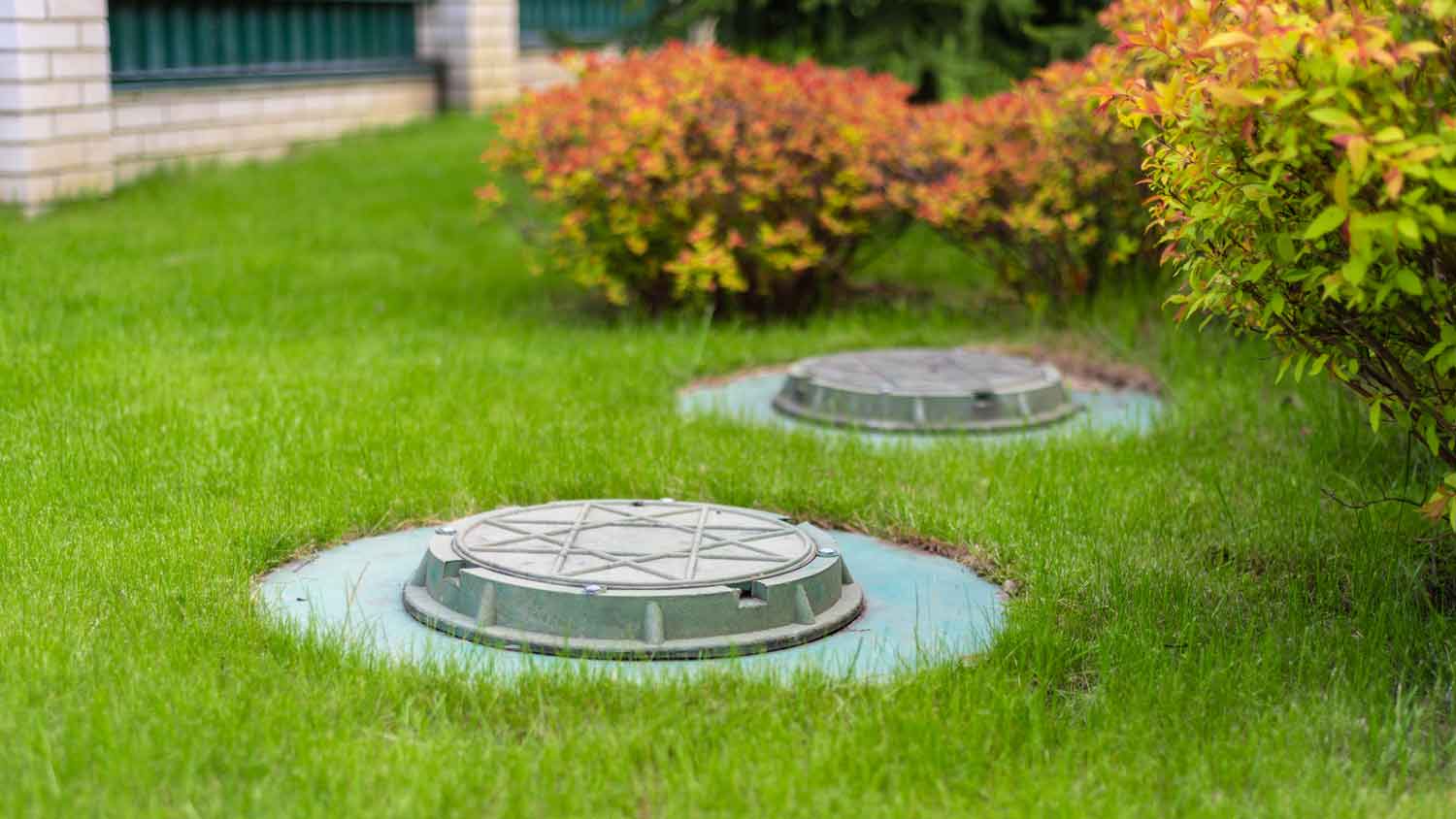
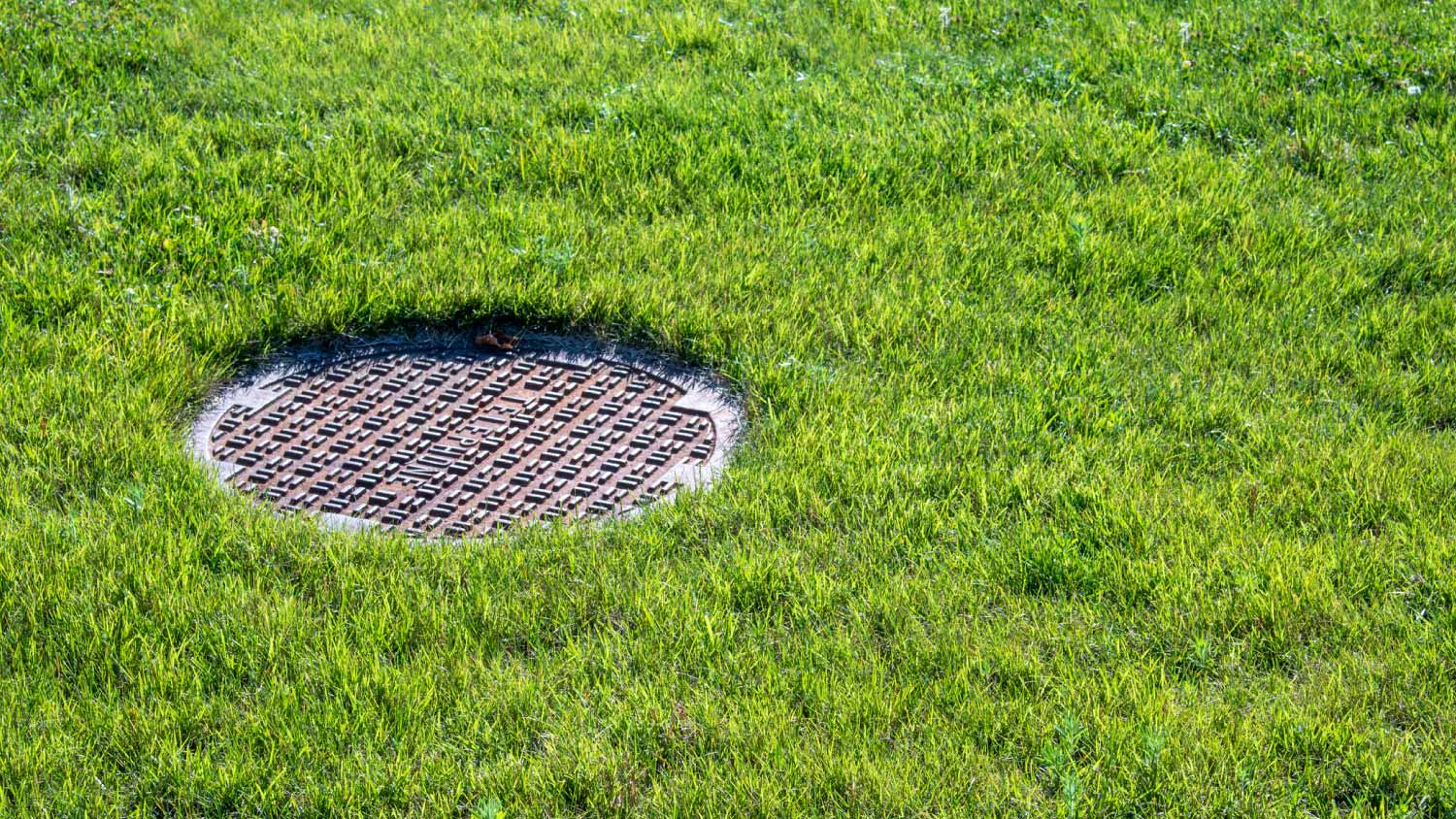
Start by finding the septic tank, marked by an access lid near your home. From there, the drain field extends outward in a series of trenches. Look for greener, lusher grass, as drain fields promote plant growth due to moisture and fertilizer. You can also check property records, use a soil probe to detect damp soil, or hire a septic professional with ground-penetrating radar equipment to map the drain field’s location.

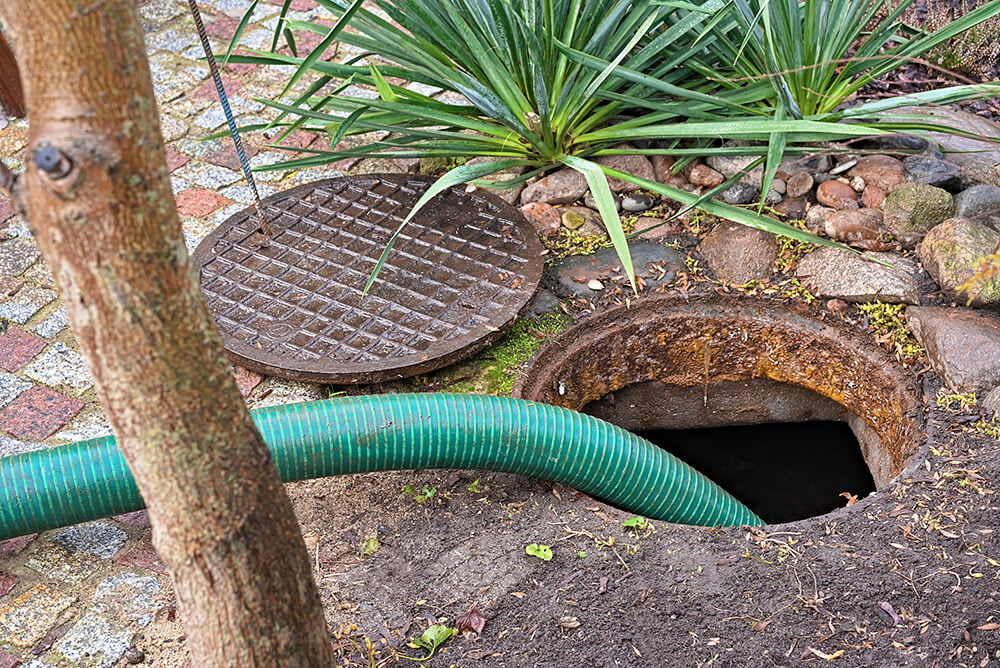
Over time, your septic tank can accumulate a buildup of sludge at the bottom of the tank. If left unpumped and uncleaned, the sludge will back up into your pipes and home, causing failure and extensive (and smelly) damage. Repairs to your septic system can be costly, which is why regular maintenance is required. It takes about 30 minutes to pump a septic tank that’s 1,250 gallons or less or 1 hour for larger varieties.

The best times of year to pump or empty a septic tank are spring and fall. Many professionals recommend spring because the ground has thawed, making the tank easier to access, and any snowmelt or rainfall can aid in proper drainage. Pumping before summer is also ideal to avoid conflicts with vacations or outdoor gatherings.

Fall is another great option, as contractors may be less busy than in the spring. Servicing the tank in late fall or early spring can also reduce the risk of overflow from extra precipitation during winter and spring.

While summer is a possibility, winter is generally not recommended. The ground is often frozen, which can make it difficult to access the tank, and the waste inside may also be frozen.

The Wayne, OH homeowners’ guide to septic tank services

From average costs to expert advice, get all the answers you need to get your job done.