



Top-rated radon detection and reduction specialists.

Best radon detection and reduction specialists near Walton Hills, OH

Enter your zip and get matched with up to 5 pros

Need a pro for your radon detection and reduction project in Walton Hills, OH?

Select your specific project to find the pro for you.

TRUSTED BY WALTON HILLS, OH HOMEOWNERS

  • Average homeowner rating star icon4.9
    Average homeowner rating
  • Verified reviews icon12
    Verified radon detection and reduction services reviews

Top-Rated Radon detection and reduction specialists in Walton Hills - Updated Nov 2026

Avatar for Trust Worthy LLC
Trust Worthy LLC
4.2(
5
)
Radon Gas - Testing

Serving Walton Hills, OH and surrounding areas

Approved

In business since 2018

Free estimates

Warranties offered

"I'm a realtor & have used Trust Worthy LLC many times!! Always great friendly service. Work always done as stated & on time or even sooner! Would definitely recommend!!"
Additional Photos
Additional Photos
Additional Photos
Additional Photos
Additional Photos

+1

4 neighbors recently requested a quote

Recommended by80%of homeowners
Avatar for Black River Radon, LLC
Black River Radon, LLC
5.0(
22
)
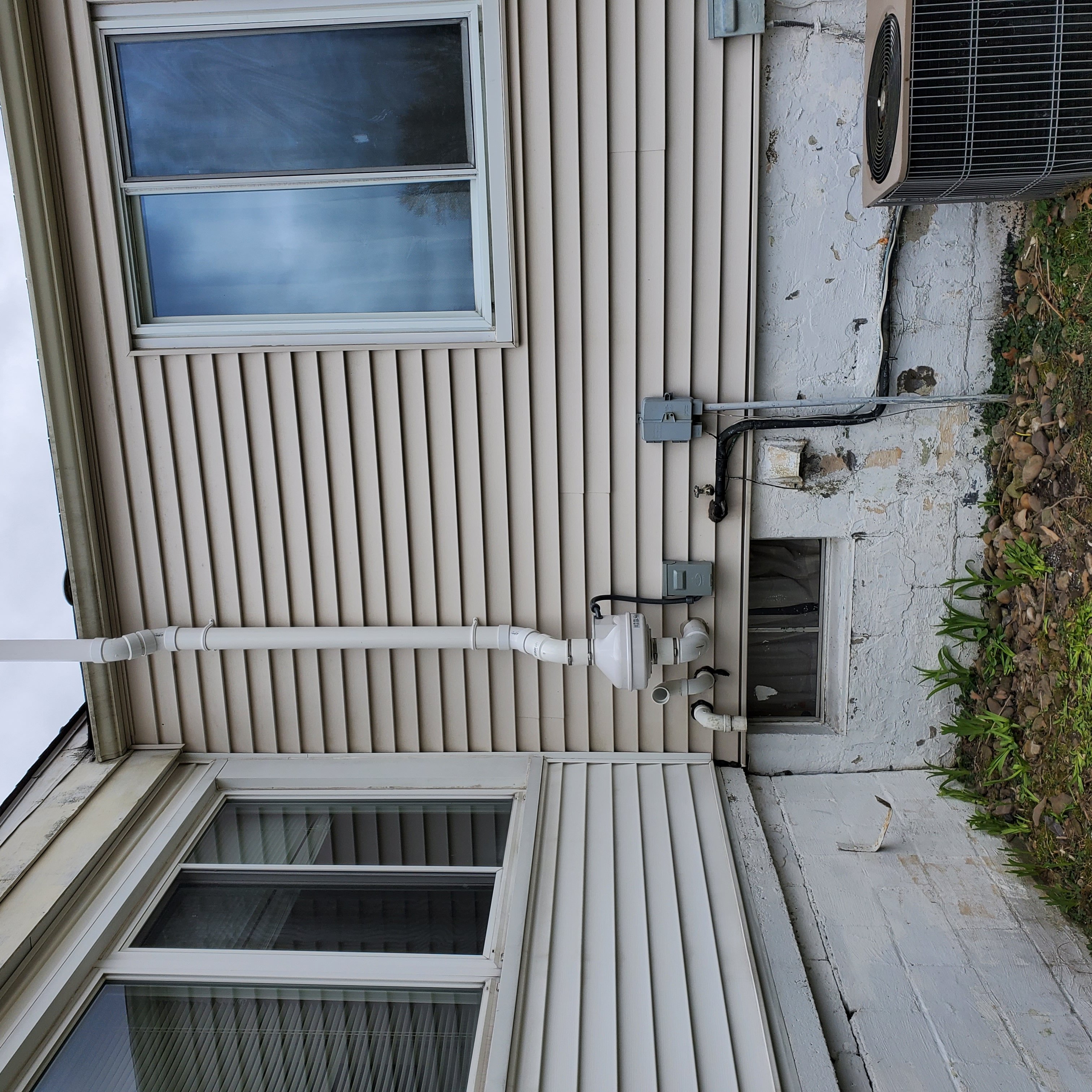
Radon Gas - Abatement

Serving Walton Hills, OH and surrounding areas

In business since 2019

Emergency services offered

Warranties offered

"We had our home checked for Radon since the levels were high in our area. Matt was able to come out and install/test the scavenging system in a very timely manner. He was very professional, and reasonable!"
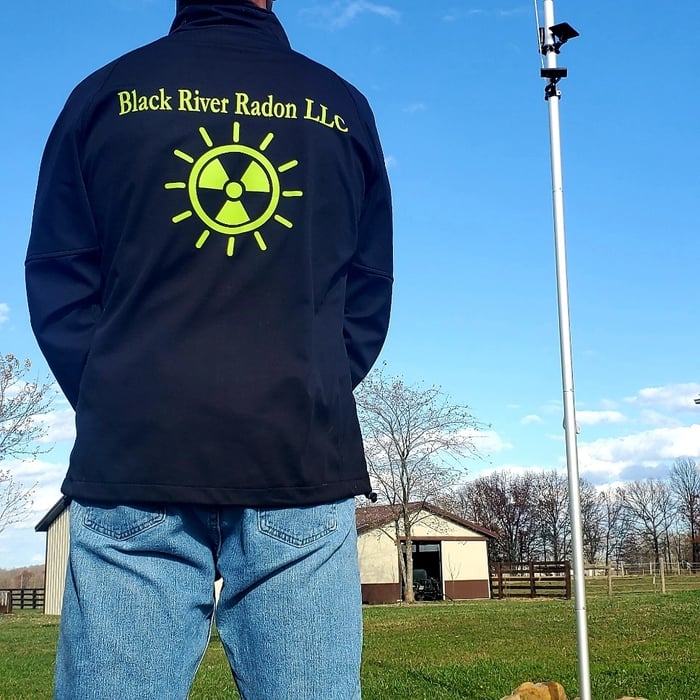
Company Logo
Company Logo
Radon Specialist
Owner
Black River Radon LLC

+11

Response time5 hrs
Recommended by95%of homeowners
Avatar for Safe & Secure Home Inspections - Pgina inicial  Facebook
Safe & Secure Home Inspections - Pgina inicial Facebook
4.8(
19
)
Radon Gas - Testing

Serving Walton Hills, OH and surrounding areas

In business since 2014

Free estimates

Credit card accepted

"Very reasonably priced, professional, thorough and responsive. All we needed was a radon inspection, but I wouldn't hesitate to hire Bill again should a need arise -- and I highly recommend him."

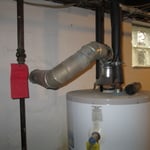
Safety Hazard!
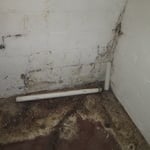
Mold Growth
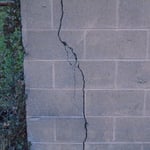
Broken Foundation
Roof and Chimney Inspection
Missing Flashing and Gutter

+2

Response time50 mins
Response rate92%
Recommended by94%of homeowners
Showing 1-10 of 24
Radon Detection and Reduction FAQs, answered by experts

There are steps you can take as a homeowner to remediate radon yourself. While a radon reduction professional can make the biggest impact in your home, you can make efforts to improve radon levels on your own by sealing cracks, increasing ventilation, and testing for radon regularly.

The average radon mitigation system uses about 876 kWh of electricity per year, although the exact amount of electricity used will vary depending on the size of the radon fan. Once the system is installed, the annual increase to your energy bill could range from $30 to $300 per year, again depending on the size of the fan.

Keeping radon from getting into your home is much better than having to get rid of it once it's already indoors. While there may not be a way to fully prevent radon from getting into your home, there are things you can do to reduce the gas's ability to enter. 

Sealing foundation cracks and openings can help keep the gas from seeping inside. Improving air flow, such as by opening windows, can also be helpful. If you're building your home from scratch, talk to your contractor about using radon-resistant construction to keep the gas out.

A homeowner can install a radon mitigation system on their own. But it’s a challenging DIY that requires a lot of knowledge about radon mitigation as well as familiarity with local regulations. You do not want to risk an improper installation that leaves the system unable to detect radon or gives it a shortened life span. Relying on a professional is the surest way to guarantee a successful installation.

The soil beneath your house is most likely what’s causing an increased level of radon. This is because soil holds radioactivity for a long time and it’s also what most buildings are built on. Another common source of radon is water from a source that hasn’t been through periodic radon tests, such as well water. Over time, the radon from the soil can inhabit other parts of your house like the foundation or plumbing.

The Walton Hills, OH homeowners’ guide to radon detection and reduction services

From average costs to expert advice, get all the answers you need to get your job done.