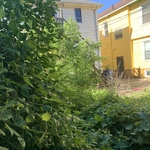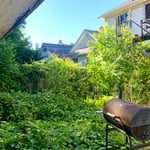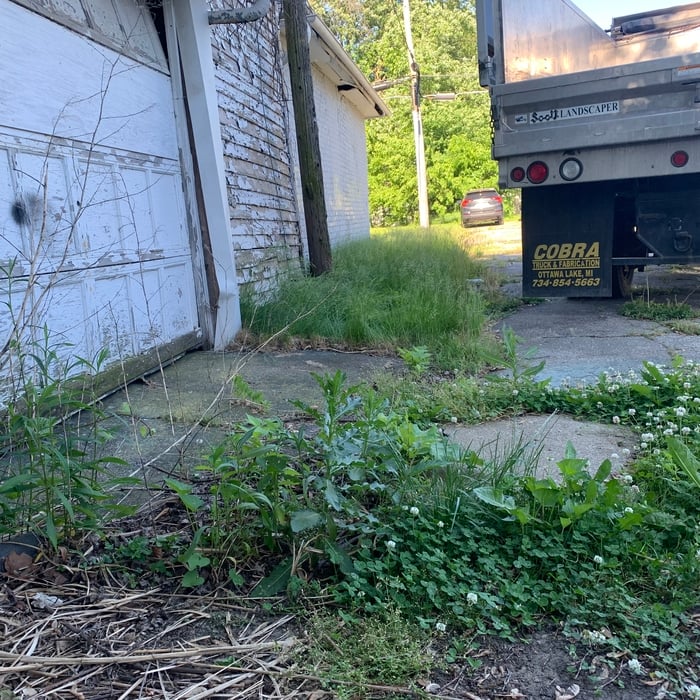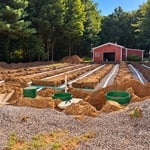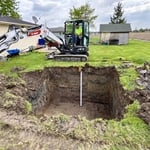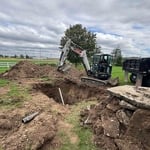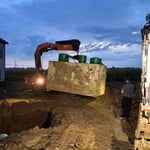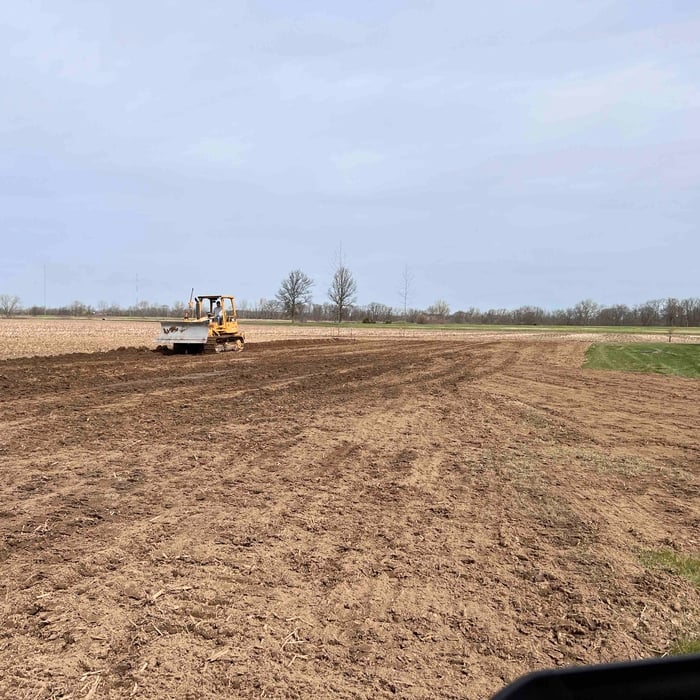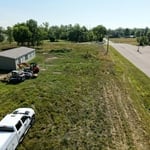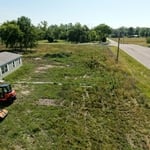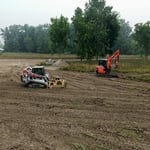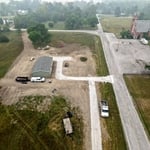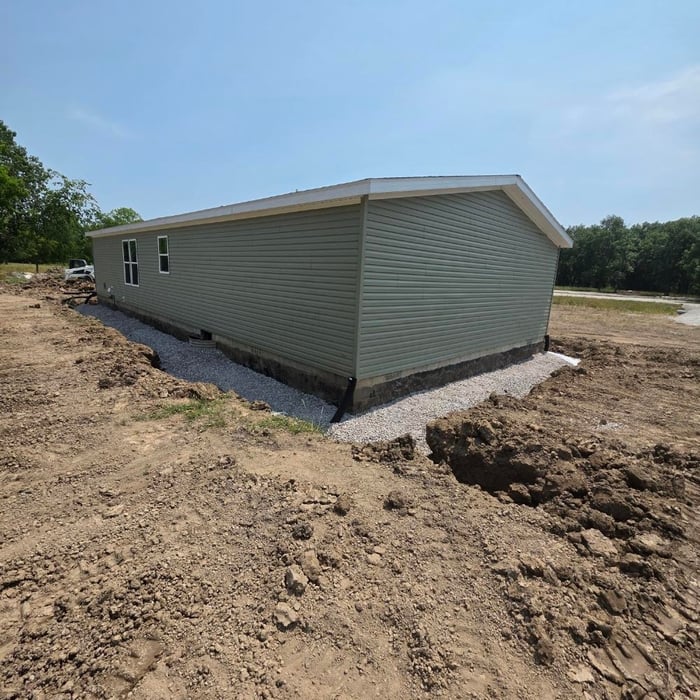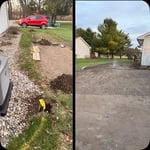



"The crew was friendly and helpful. They worked with me to make sure the system of French drains I had put in worked for me and the regrading work was amazing. At first i had thought i might be able to do it my self, but the amount of clay in the soil made that impossible, but A+ Equipment Services made easy work of it and got it done quickly."
"I hired the Dream Green folks to weed my flower beds, trim bushes and generally care for all aspects of my yard except for the grass. They did a wonderful job. They were very thorough and meticulous with every aspect of what I asked them to do. I am quite pleased with Dream Green and plan on working with them for the foreseeable future."
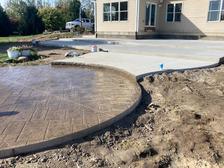
"Finished job very quickly and efficiently. Concrete looks beautiful. Some areas do not drain super well but most of it does. 1 or two spots on the edge have some hollowed out holes underneath"
"Everything was done professionally and they worked with us by communicating and pointing out issues as they came about. We will definitely use them again on our next round of repairs . Very reasonably priced. Did a lot of small jobs for us but everything turned out just great!"
The best way to protect tree roots is to avoid the roots entirely by excavating outside the root radius of the tree. For nearby projects, it’s a good idea to construct a temporary retaining wall. But that’s not always possible, depending on the project and the root system. In these cases, consider using alternative equipment like an auger to tunnel under the ground.
Remember, tree roots can damage nearby cement foundations as they grow. If a tree is close enough to interfere with large excavations, it may be better to remove the tree than risk future problems.
While general contractors sometimes handle demolition, you can also look specifically for local demolition contractors. Demolition experts need to understand structural integrity, the equipment needed for safe demolition, and the permits required for demolition.
A joint utility trench, or joint trench, is a long, buried ditch on a property that contains two or more utility lines rather than running the lines in multiple trenches. Some utilities, like gas and electric or electric and communication lines, are better suited to joint trenching, while others, like water and sewer, are not allowed to be in the same trench.
Landscape edging is more DIYable than trenching. You can DIY your own digging projects, but proceed carefully and only with proper knowledge of the equipment and appropriate safety measures in place. Keep in mind the project's scope and estimate how long it will take you to do it on your own. While you can certainly save money by DIYing home improvement projects, you can’t exactly hide an unfinished—or worse, ruined— landscaping job from the neighbors. It’s always safer to call an excavation pro near you to get an estimate.
Excavation and grading are both generally necessary for designing your foundation, and leveling the ground where your foundation will go. These steps can also prepare the area by removing vegetation and anything else that could interfere with your home’s foundation.
The Toledo, OH homeowners’ guide to excavation services
From average costs to expert advice, get all the answers you need to get your job done.
Excavation costs $1,500 to $6,300 for most residential projects—but it depends on factors like the size of the area. This guide will help you plan a budget.
You can't have an in-ground pool without digging into the ground. How much does pool excavation cost, and can you take it on yourself? Our guide explains.