
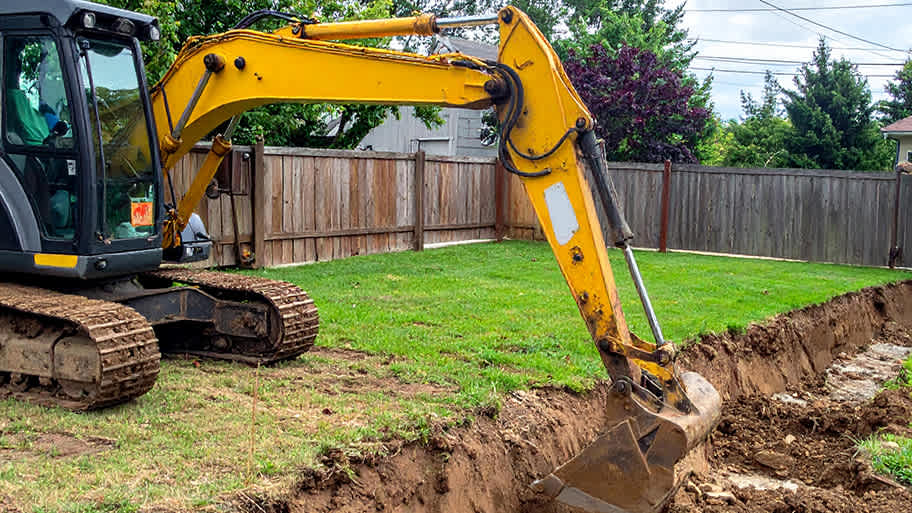
Digging a trench is usually the first step in a larger home project. Our trenching cost calculator breaks down the factors that affect the price tag of this job.
Get dirt-ermined to succeed

Digging a trench by hand takes 10 to 12 hours for 100 feet, while walk-behind trenchers cut your time to 2 to 3 hours.
Wet your soil for one hour the day before trenching to soften the ground and speed up the digging process.
Call 811 before you dig to mark underground utility lines, check local permit requirements, and choose the right trencher for your project depth.
Hiring a local excavation company keeps heavy trenching work safe and efficient, especially when you need deep trenches or have rocky soil conditions.
Digging a trench is hard work, but it can have big payoffs, like adding electrical to a pole barn or detached garage. It takes two to 12 hours to dig a 100-foot trench, depending on your tools and the depth, width, and soil type. Learn how long it takes to dig a trench, how to speed up the process, and when to call in a pro.
It takes two to 12 hours to dig a 100-foot trench that’s 24 inches deep (the average size of a residential trench), depending on the type of trencher you use, the soil conditions, the terrain, and the depth.
Here’s how long it takes to dig a 100-foot trench (24 inches deep) by method:
By hand: 10 to 12 hours
With a walk-behind trencher: 2 to 3 hours
With a ride-on trencher: 1 to 2 hours
Many factors affect how long it takes to dig a ditch. Consider these components to estimate how long digging your trench will take.
The depth, width, and length of the trench directly impact how long it takes to dig. A 2-foot-wide trench will take almost double the time that a 1-foot-wide trench takes, and a deeper trench will take longer than a shallow one.
Soft, pliable soils, like those with high sand content, are lighter and allow you to dig faster. If you have clay, rocky, or muddy soil, the project will take longer. If the ground is frozen, expect the digging to take much longer because the cold temperatures increase the dirt’s density, making the soil almost as hard as concrete.

Digging a trench with hand tools, like shovels, pickaxes, and mattocks, takes the longest, but this can be a great method for smaller trenches. Walk-behind trenchers are significantly faster and much less labor-intensive. Ride-on trenchers are the fastest option, but it takes practice to operate them efficiently. If you have heavy or rocky soil or are digging a trench longer than 100 feet, using a walk-behind or ride-on is ideal.
If you’ve dug trenches or worked with trenching machinery before, your experience and skills will speed up the project. But if you’re new to digging, add extra time for figuring out the tools and finding your flow. Digging by hand requires some physical fitness, so plan accordingly based on your abilities. Take breaks when you need to.
If you don’t want to (or can’t) trench with a shovel or ride-on trencher, contact an excavation company near you for quotes on your project. The cost to dig a trench ranges from $5 to $12 per linear foot, depending on trench depth and soil conditions.
Before you dig a trench, you should:
Call 811 dig to mark any underground utility lines, such as electrical wires, gas lines, and pipes.
Check your local guidelines to see if you need a construction permit to dig your trench.
Choose your trencher tool.
Mark where you want to dig your trench, including if it needs a slope, like when installing a french drain.
Wet the soil for one hour in the 24 hours before digging.
Wear protective equipment, such as a hard hat and safety glasses.
Loosen the soil with a pick mattock or grub hoe.
Remove obstructions, such as large rocks.
Digging a trench by hand will take significantly longer than using heavy machinery. Manually digging a trench can create a lot of back strain and lead to exhaustion, especially if you need a very long or deep trench. Consider calling a local pro if the job seems to be too big for manual digging or you find yourself getting exhausted or straining too much after digging by hand.
The fastest way to dig a trench by hand is to:
Water the soil for one hour in the 24 hours leading up to digging.
Break up tough soil with a pick mattock or grub hoe.
Dig with a trenching shovel that has a sharp tip and a long head.
Monitor the depth, slope, and line of the trench throughout digging to ensure you’re creating the pathway you need.
Very knowledgable, very respectful and did a great job. They take pride in their work and it shows. I would highly recommend Dad's Home Repair and Excavation.
Very knowledgable, very respectful and did a great job. They take pride in their work and it shows. I would highly recommend Dad's Home Repair and Excavation.
 Dad's Home Repair & Excavation
They do good work, were quick to respond, and their prices were as reasonable as plumbing work can be. They were fairly good with the sewer cleaning, and I have no complaints with their work, but I had to go beyond what they could do and get some excavation work done.
 ARS / Rescue Rooter Columbus
From average costs to expert advice, get all the answers you need to get your job done.
Digging a trench is usually the first step in a larger home project. Our trenching cost calculator breaks down the factors that affect the price tag of this job.
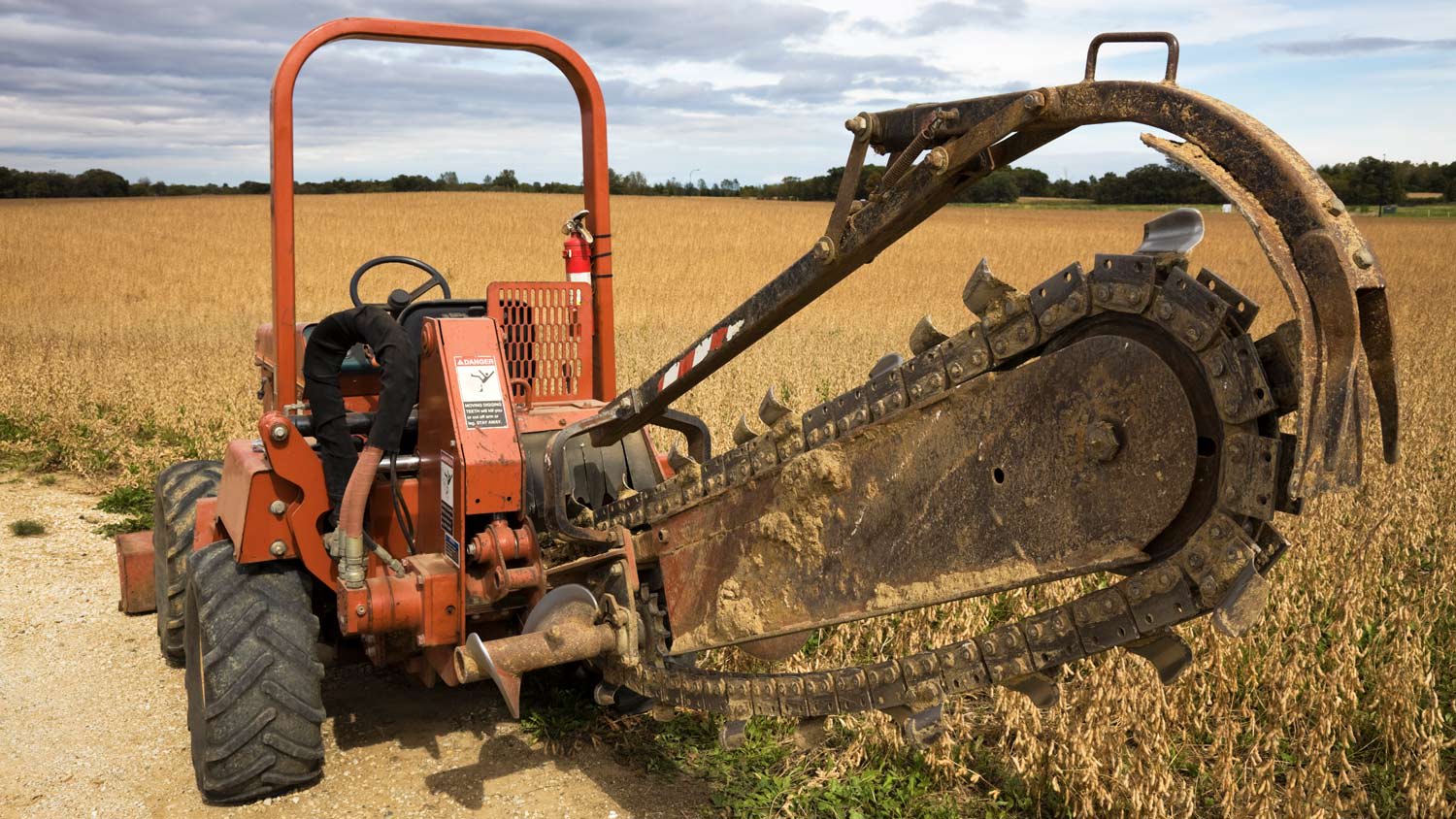
If you need to dig a trench, you might be tempted to do it yourself instead of hiring a pro. So, how much does it cost to rent a trencher? Let’s break it down.

The water main line is essential to your home’s plumbing. Over time, it can develop wear or damage. Find out how much a main water line replacement costs here.

Who can dig a trench for you? You can rent trenching equipment for a simple job, but a local excavation company can help with tough ones. Here's how.
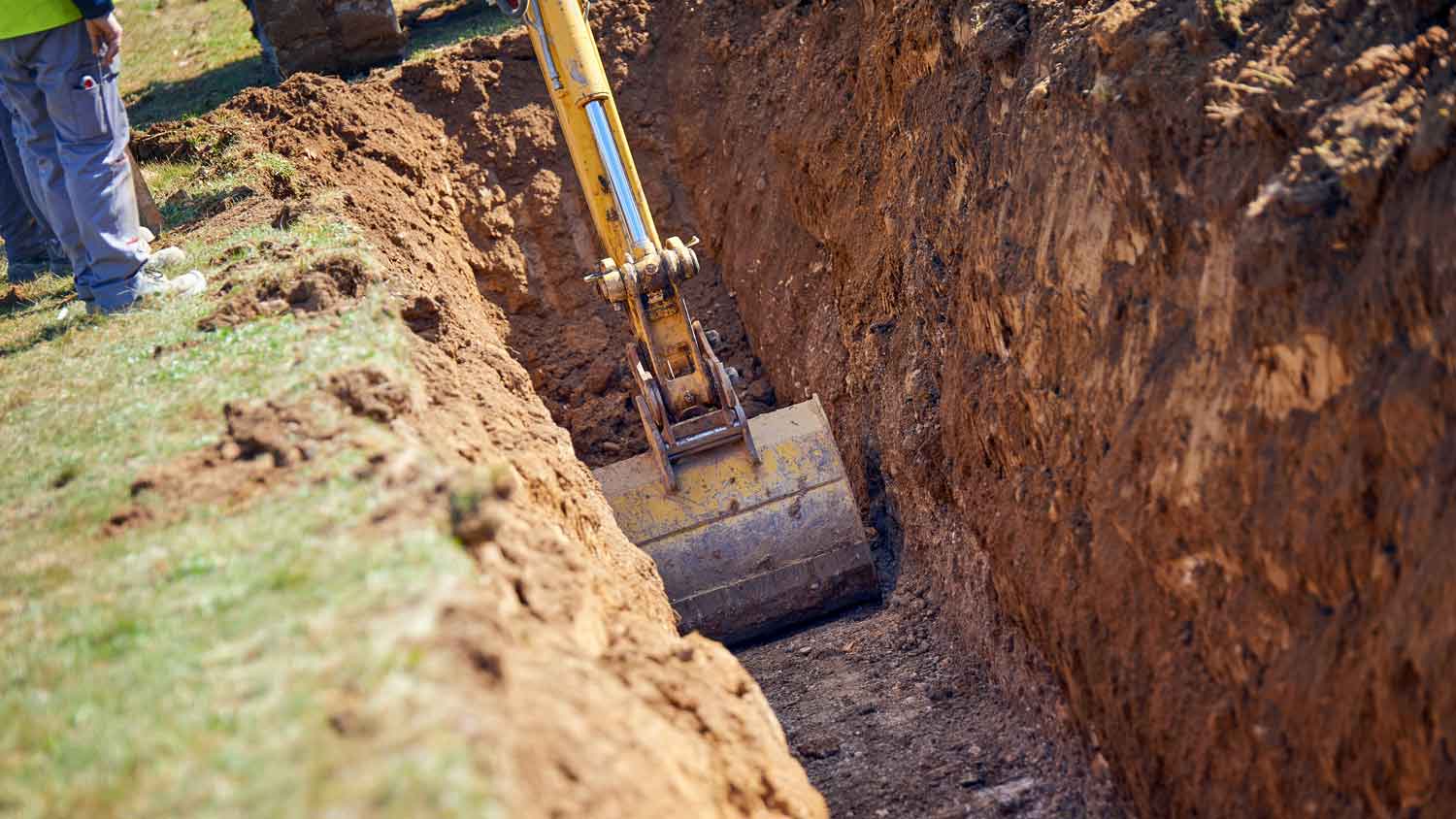
If you want to hire someone to dig a trench, choose a local excavation company. Learn why you should hire a pro for your trench and what it will cost.

When digging for utility installation, you may wonder if gas and electric can be in the same trench. Find out the basics to utility trenches in this guide.