



Top-rated excavation pros.

Get matched with top excavation pros in Walbridge, OH

Enter your zip and get matched with up to 5 pros

Need a pro for your excavation project in Walbridge, OH?

Select your specific project to find the pro for you.

Find Excavation pros in Walbridge

Avatar for A+ Equipment Services & Excavation & A+ Junk
A+ Equipment Services & Excavation & A+ Junk
4.5(
209
)

Serving Walbridge, OH and surrounding areas

Approved

In business since 2010

Free estimates

Emergency services offered

"Doors and David did a wonderful job. Very professional and very friendly. Called and asked if they could come early and we were happy for them come. The removed an old refrigerator from our basement. Once again we are happy with their friendliness and did their job in a timely manner. We would hire them again any time."
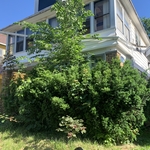
Front of Home
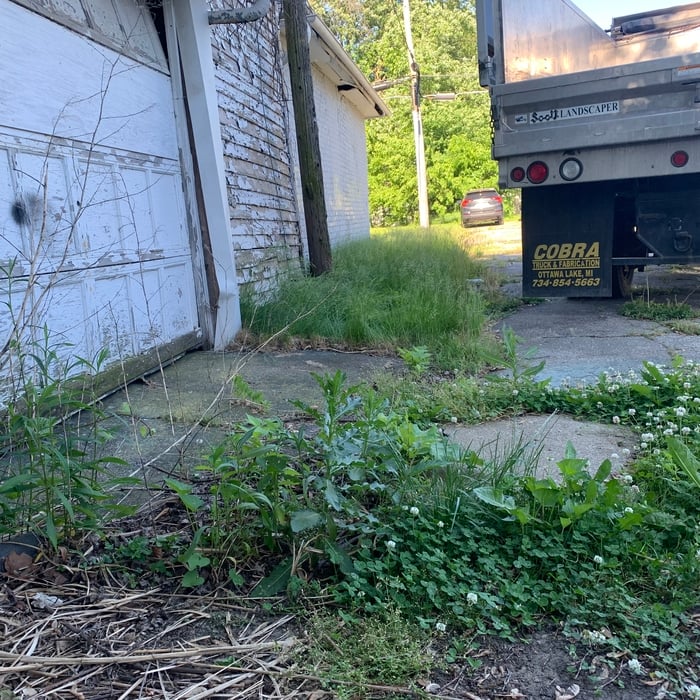
Path From Garage
Back Yard 1
Back Yard 2
Garage Front

+6

Response time12 hrs
96 neighbors recently requested a quote
Recommended by92%of homeowners
Avatar for Veteran's Home Maintenance, LLC
Veteran's Home Maintenance, LLC
4.3(
91
)

Serving Walbridge, OH and surrounding areas

Approved

Super Service Award Winner

In business since 1973

Free estimates

Emergency services offered

"Completed difficult assembly of 6 pieces of furniture in 2 rooms. Made sure all furniture was placed where I wanted it to be. Worked a very long day and stayed until job was complete."
Ramp
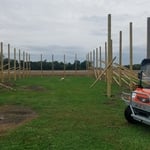
32 6x6x18 ft. post set 4 foot into a 5 foot hole.
Posts set into holes before concrete
Response time1 day
315 neighbors recently requested a quote
Recommended by44%of homeowners
Avatar for Little's Designs with Lines Lawn Service, LLC
Little's Designs with Lines Lawn Service, LLC
5.0(
2
)

Serving Walbridge, OH and surrounding areas

Approved

In business since 2011

Offers commercial services

Customers say: Quick response

"Great experience! They were quick to respond and get our yard maintenance scheduled very quickly. The crew did a wonderful job and the yard looked awesome!! Will definitely use them again!"
lawn maintenance
lawn maintenance
lawn maintenance
lawn maintenance
lawn maintenance

+13

Response time1 day
Response rate85%
Recommended by100%of homeowners
...
Showing 1-10 of 71
Excavating questions, answered by experts

Trenching and boring are two distinct methods for installing underground utilities. Trenching involves digging a channel using equipment like an excavator, trencher, backhoe, or shovel. While it is a simpler process, it causes significant disruption to the surface, landscaping, and surrounding ecosystems.

Boring, also known as directional boring, is a less invasive alternative that uses a drill to create a tunnel for utility lines without disturbing the surface. This method is more precise and is ideal for installations that need to go underneath buildings, roads, or bodies of water. Although boring is less disruptive, it is generally more expensive than trenching.

Digging a bush up by the roots is the most natural DIY method for removing a bush stump. Start by identifying the shrub type and revealing its roots. Cut the shrub to its base and loosen the soil, ensuring no utility lines are nearby. Optionally, treat the base with herbicide, then dig around the roots and cut a circle around the shrub using various tools. Dig a trench, cut the base of the root ball, and finally fill the hole to prevent regrowth. This thorough process ensures complete removal without damaging surrounding areas.

Most residential basements are 8 to 10 feet deep. You can dig deeper depending on building codes, but it does become more difficult. You’ll likely need to install stronger foundation walls and additional supports to handle the increased load. Depending on the water table, you may also need a water management system. Clay soil can support a deeper foundation than sandy soil. A structural engineer will be able to tell you the maximum, feasible depth.

No, you typically cannot use metal detectors to find your sewer line. Most sewer lines are made of non-metallic materials such as PVC, clay, or cast iron, which are not detectable by standard metal detectors. Metal detectors are designed to locate metallic objects, so they won't be effective for identifying the path of a non-metallic sewer line. To locate your sewer line accurately, it's best to use other methods.

In the United States, a depth of 36 inches (three feet) for underground water lines is the accepted industry standard. This depth varies from location to location based on local conditions. In areas with colder winters, they may be buried deeper to prevent frozen well water pipes : This is usually at least six inches below the frost level. The International Plumbing Code calls for a minimum of 12 inches below grade.

The Walbridge, OH homeowners’ guide to excavation services

From average costs to expert advice, get all the answers you need to get your job done.