





Top-rated fire pit installation pros.

Get matched with top fire pit installation pros in Smithville, OH

Enter your zip and get matched with up to 5 pros

Need a pro for your fire pit installation project in Smithville, OH?

Select your specific project to find the pro for you.

TRUSTED BY SMITHVILLE, OH HOMEOWNERS

  • Average homeowner rating star icon4.1
    Average homeowner rating
  • Verified reviews icon50
    Verified fire pit installation services reviews

Find Fire pit installation pros in Smithville

Avatar for Freeman's RRC LLC
Freeman's RRC LLC
5.0(
15
)
Handyman for Multiple Small Projects

Serving Smithville, OH and surrounding areas

Approved

In business since 2025

Free estimates

Small jobs welcome

"Logan did a great job communicating with me throughout the entire process. Our job wasn't anything major - but Logan a treated it like it was a big deal. Did a great job making repairs to our deck. Very professional. We greatly appreciated their effort and approach to our project."
Tile shower
Tile shower
Tile shower
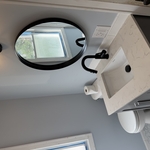
Bathroom refresh
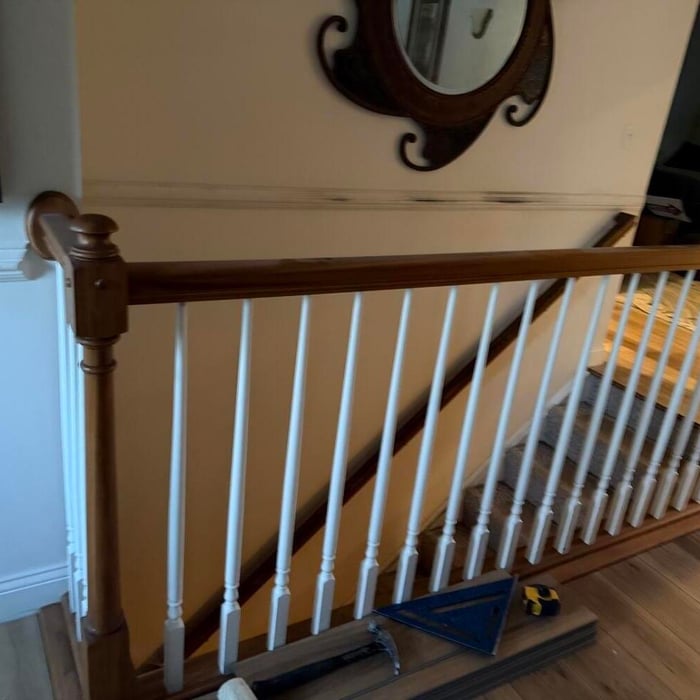
Banister update

+6

1 neighbors recently requested a quote
Recommended by6%of homeowners
Avatar for Litto Home Repairs
Litto Home Repairs
5.0(
1
)
Handyman for Multiple Small Projects

Serving Smithville, OH and surrounding areas

Approved

"Highly recommend this pro! He was efficient, professional and reasonable in price. He explained the what and why of what he was doing and completely resolved my plumbing issues."
31 neighbors recently requested a quote
...
Showing 1-10 of 130
Fire Pit Installation questions, answered by experts

First, it is crucial to check your local guidelines or building codes. You should typically have one smoke detector for every floor, bedroom, and kitchen. Another rule of thumb is to install one smoke detector for every 500 feet in a home. Reviewing manufacturing recommendations, especially for interconnected devices, is also a good idea to ensure proper connection and monitoring.

The most common causes of kitchen fires are leaving cooking food unattended, frying food with excessive amounts of oil, and leaving flammable objects near the stovetop.

Generally, an oil furnace is considered safer than a gas furnace for several reasons. While both types of furnaces can produce carbon monoxide, a leak in an oil furnace is easier to detect due to the smell. Oil furnaces also don't connect to a gas pipeline, which reduces the chance of a fuel leak. Most importantly, heating oil is not combustible, whereas natural gas is highly flammable. This means there is a much lower risk of combustion or explosion with an oil furnace. However, an oil furnace can still pose a fire hazard if it tips over.

There are a few things you can look out for to ensure your chimney is safe to use. Check for the following issues:

  • Cracks or missing pieces in the masonry of the chimney

  • Creosote buildup in the chimney, which is a black, tar-like substance

  • Cracks, stains, or scorch marks in the firebox

  • Water stains in or around the fireplace

  • A broken or stuck damper

You should schedule a fireplace inspection at least once a year, per the National Fire Protection Association (NFPA). However, this is the minimum requirement even if you’re diligent with fireplace maintenance between uses. If you suspect your fireplace is malfunctioning, schedule one sooner to avoid fire hazards or the release of harmful emissions like carbon monoxide in your home.

The Smithville, OH homeowners’ guide to fire pit installation services

From average costs to expert advice, get all the answers you need to get your job done.