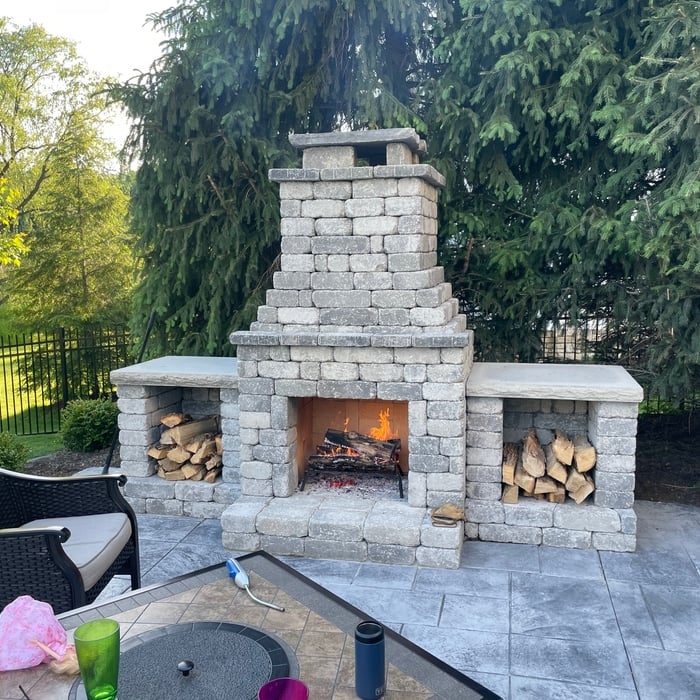







Top-rated fire pit installation pros.

Get matched with top fire pit installation pros in Akron, OH

Enter your zip and get matched with up to 5 pros

Need a pro for your fire pit installation project in Akron, OH?

Select your specific project to find the pro for you.

TRUSTED BY AKRON, OH HOMEOWNERS

  • Average homeowner rating star icon4.3
    Average homeowner rating
  • Verified reviews icon173
    Verified fire pit installation services reviews

Find Fire pit installation pros in Akron

No results for Fire pit installation pro in

Try adjusting your search criteria.
Fire Pit Installation questions, answered by experts

No, it is not safe to leave a propane heater on overnight. Even if you’re using the heater in a well-ventilated space, the heaters can emit carbon monoxide that can lead to fires. Be sure to fully turn off and secure the propane heater before clearing the area. 

No, you should never leave a fireplace burning overnight or unattended during the day. While fireplaces are made to contain fires, fires can and do spread from fireplaces, so it’s crucial that you’re there to monitor them and put them out if needed. If you’re worried about putting out a fire before bed, stop feeding it fuel long before bedtime and actively put out the fire using your poker, a shovel, and some baking soda.

Short circuits can cause significant damage to electrical appliances, bodily harm, and potentially death to humans. For this reason, they are a serious occurrence. If you’re unable to find and fix a short circuit on your own, you must reach out to a licensed electrician for help.

Yes. Even when it’s not in use, an outlet is still connected to wiring, and if the wiring is faulty or wet, a fire can occur. Broken outlets can also cause fires, for the same reasons; in fact, most broken outlets are broken due to damaged or worn-out wiring. It’s worth replacing outlets that are old or damaged with the help of an electrician.

Generally, an oil furnace is considered safer than a gas furnace for several reasons. While both types of furnaces can produce carbon monoxide, a leak in an oil furnace is easier to detect due to the smell. Oil furnaces also don't connect to a gas pipeline, which reduces the chance of a fuel leak. Most importantly, heating oil is not combustible, whereas natural gas is highly flammable. This means there is a much lower risk of combustion or explosion with an oil furnace. However, an oil furnace can still pose a fire hazard if it tips over.

The Akron, OH homeowners’ guide to fire pit installation services

From average costs to expert advice, get all the answers you need to get your job done.