





Top-rated fire pit installation pros.

Get matched with top fire pit installation pros in Holmesville, OH

Enter your zip and get matched with up to 5 pros

Need a pro for your fire pit installation project in Holmesville, OH?

Select your specific project to find the pro for you.

TRUSTED BY HOLMESVILLE, OH HOMEOWNERS

  • Average homeowner rating star icon4.9
    Average homeowner rating
  • Verified reviews icon15
    Verified fire pit installation services reviews

Find Fire pit installation pros in Holmesville

Avatar for Freeman's RRC LLC
Freeman's RRC LLC
5.0(
15
)
Handyman for Multiple Small Projects

Serving Holmesville, OH and surrounding areas

Approved

In business since 2025

Free estimates

Small jobs welcome

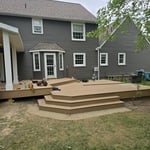
"Logan did a great job communicating with me throughout the entire process. Our job wasn't anything major - but Logan a treated it like it was a big deal. Did a great job making repairs to our deck. Very professional. We greatly appreciated their effort and approach to our project."
Tile shower
Tile shower
Tile shower
Bathroom refresh
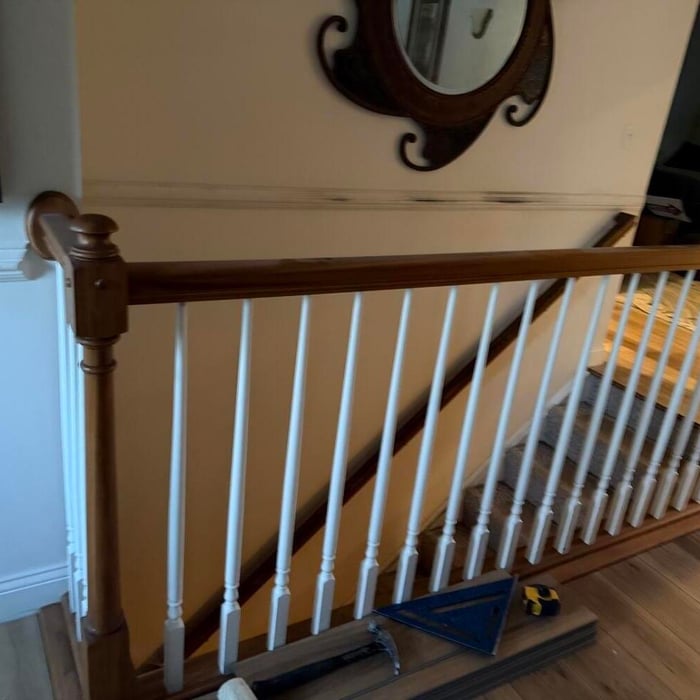
Banister update

+6

2 neighbors recently requested a quote
Recommended by6%of homeowners
...
Showing 1-10 of 80
Fire Pit Installation questions, answered by experts

In addition to flashing, a roof cricket can help divert water around your chimney so that it drains properly off your roof. It’s shaped like a double triangle and is installed behind the chimney so that falling water spills evenly down each side. This helps prevent water from accumulating behind your chimney, which can increase water damage and the risk of leaks. 

The International Building Code (IBC) requires cricket installation if a chimney built after 2012 measures over 30 inches in width. Chimneys constructed before that date are typically grandfathered in and aren’t required to have crickets installed.

Chimneys should either be sealed or waterproofed, which is different from sealing off—closing at both ends—a chimney. Waterproofing and sealing are both crucial steps to take to prevent water damage and the chimney leaking inside the house. While waterproofing is more comprehensive, both help safeguard your chimney, extending its life span and preventing expensive repairs. 

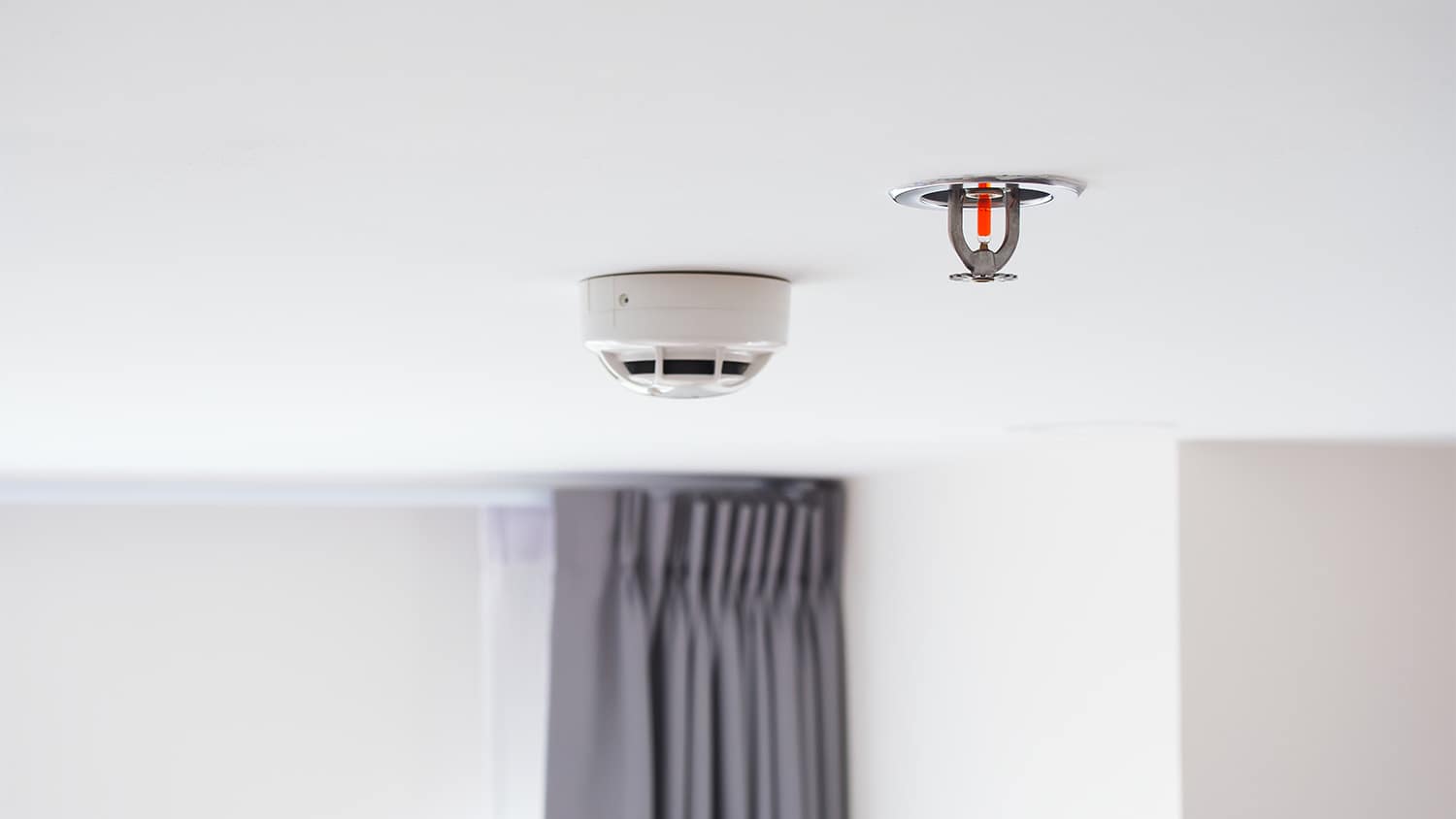
Smoke detectors come in two different options: hardwired or battery-operated. While hardwired units are attached directly to the home’s electrical system, a battery-operated smoke detector only needs a simple battery for operation and can be placed virtually anywhere in your home. Some homeowners may mistakenly think their battery-operated units are hardwired in because all their units are interconnected, but many battery-operated units can operate within a smoke alarm network in your home.

Your pilot light needs to be on whenever you’re using your furnace to heat your home. However, you might decide to turn it off during the summer months, when you don’t need heating. Doing this can save you a little bit of money on utility costs—just make sure you’re fine with relighting your pilot light (or hiring a professional to do it) when fall comes around and you’re ready to get cozy.

No, but they both serve distinct life-saving purposes. Smoke detectors primarily sense the presence of smoke, typically caused by a fire, and emit loud alarms to alert occupants to evacuate. In contrast, carbon monoxide detectors monitor the levels of carbon monoxide gas, an odorless and colorless but deadly substance produced by incomplete combustion of fuels. When CO levels become dangerous, CO detectors sound alarms to warn inhabitants of potential poisoning risks. 

The Holmesville, OH homeowners’ guide to fire pit installation services

From average costs to expert advice, get all the answers you need to get your job done.