





Top-rated drywall pros.

Get matched with top drywall pros in Orange, OH

Enter your zip and get matched with up to 5 pros

Need a pro for your drywall service project in Orange, OH?

Select your specific project to find the pro for you.

TRUSTED BY ORANGE, OH HOMEOWNERS

  • Average homeowner rating star icon4.5
    Average homeowner rating
  • Verified reviews icon610
    Verified drywall services reviews
Drywall questions, answered by experts

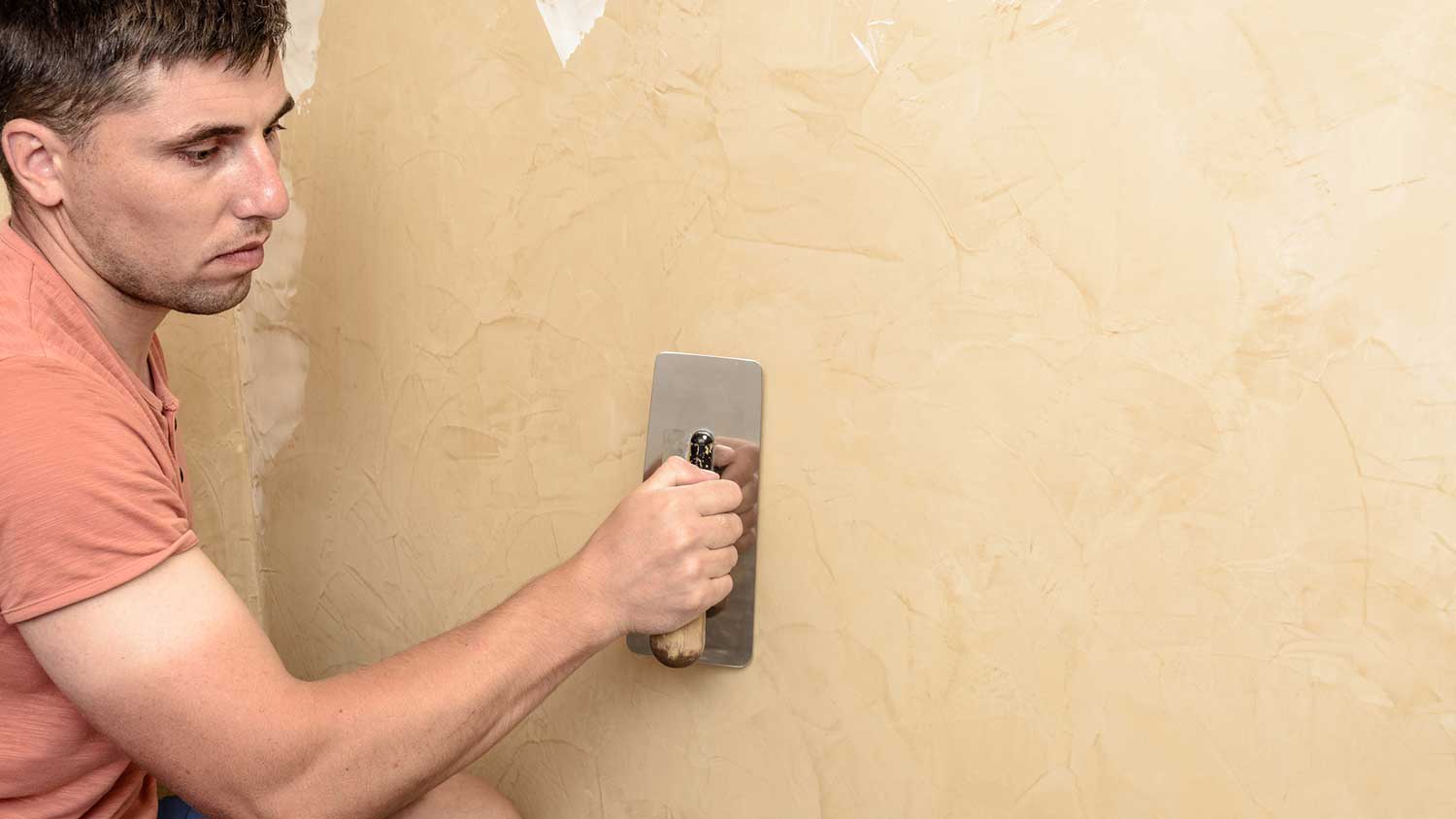
The easiest way to remove texture from walls is the soak-and-scrape method. You’ll need to spray a section of the wall with water and let the water soak in and soften the texture. Then, you need to scrape the texture off using a drywall taping knife. This method works best with unpainted walls since paint prevents water from saturating the textured joint compound.

You can paint over drywall mud about 24 hours after application, but the exact timing depends on factors like humidity, temperature, and the thickness of the mud. For the best results, ensure the mud is completely dry to the touch and has changed from a darker gray to a lighter, chalky white. Don’t forget to sand and prime the drywall surface before you paint to create a smooth, even finish.

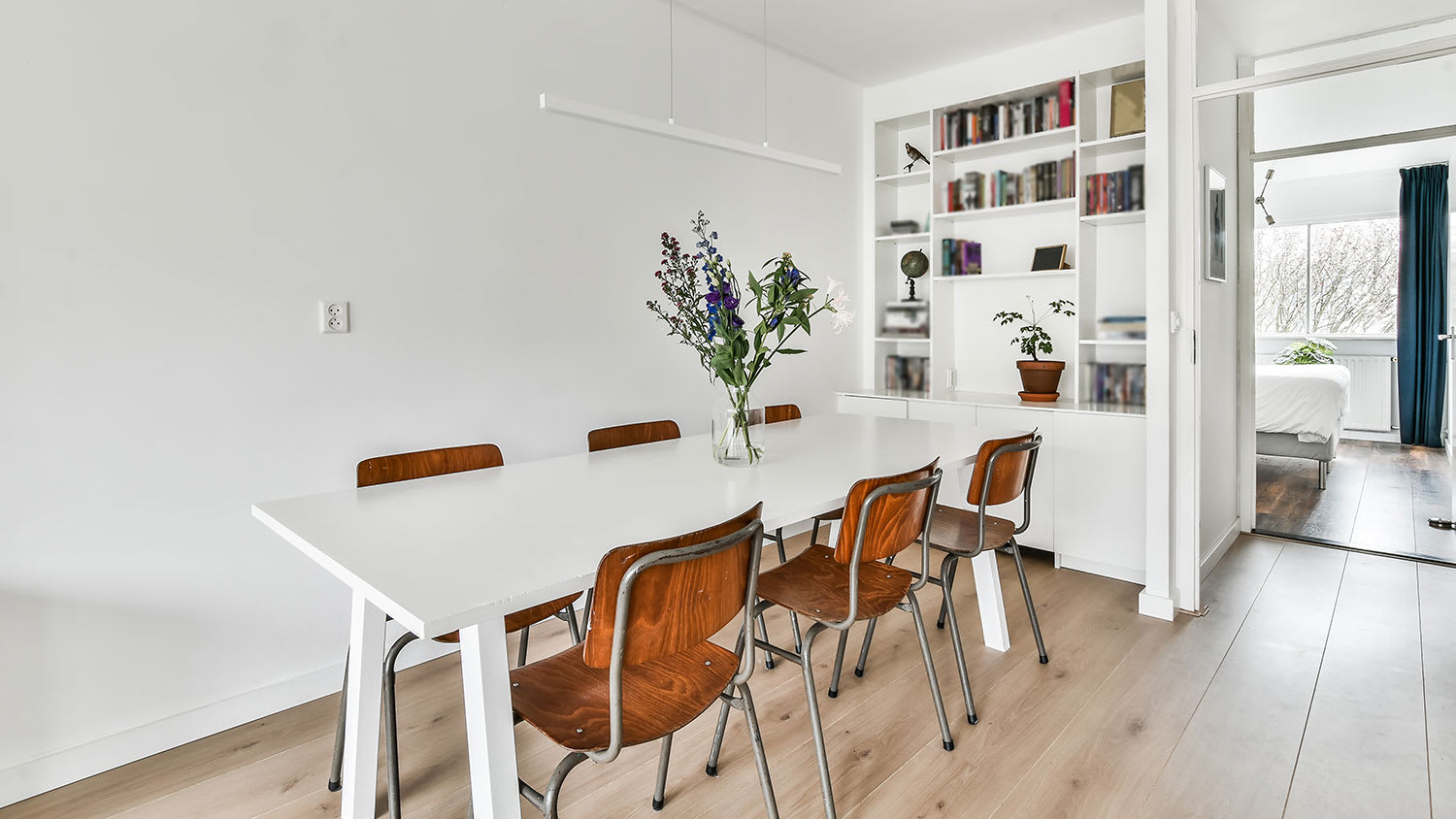
White walls are the toughest color to keep clean and maintain, as they’re extremely unforgiving when it comes to dirt, splatters, dust, and smudges. Still, many people look past their high-maintenance requirements because they lighten and modernize a space beautifully. If you’re opting for white walls, it’s especially important to keep up with regular cleanings, so they stay pristine.

Yes, taping inside corners is a critical step in the drywall installation process.  Properly taping inside corners is essential for achieving a professional look, and an installation that resists cracking and maintains its integrity over time. Taping the corners involves the application of a joint compound along the seam where two drywall pieces meet. This process provides reinforcement, conceals the seam, and prevents future gaps or cracks from developing.

Beadboard is a decorative element and lacks the structural integrity of drywall. It cannot hold much weight and is not meant to be used as an insulator or moisture barrier, like drywall is. In almost all cases, beadboard is placed over an existing wall surface which, in modern days, is usually drywall, but decades ago could have been wood paneling.