
Top-rated radon detection and reduction specialists.

Get matched with top radon detection and reduction specialists in North Fairfield, OH

Enter your zip and get matched with up to 5 pros

Need a pro for your radon detection and reduction project in North Fairfield, OH?

Select your specific project to find the pro for you.

Find Radon detection and reduction specialists in North Fairfield

Avatar for Black River Radon, LLC
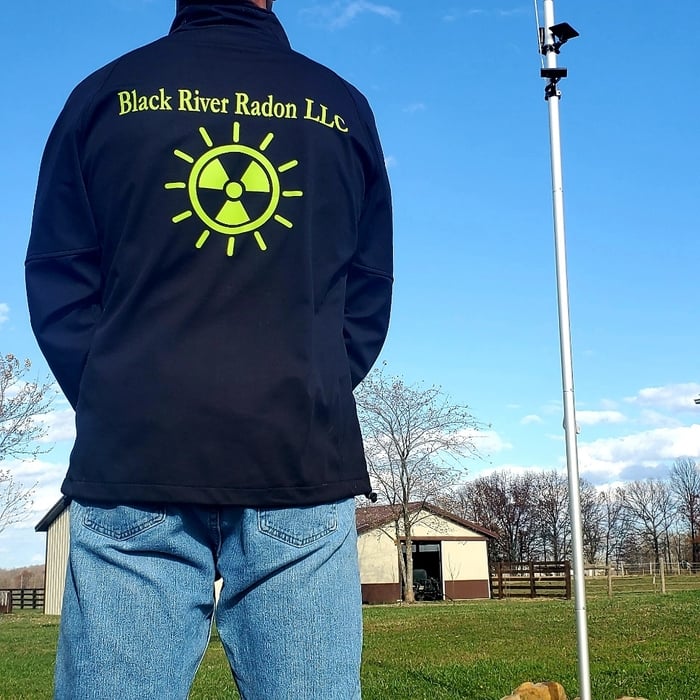
Black River Radon, LLC
5.0(
22
)
Radon Gas - Abatement

Serving North Fairfield, OH and surrounding areas

In business since 2019

Emergency services offered

Warranties offered

"Matt did a great job of installing my radon mitigation system. The unit is set up perfectly and looks very professional and the jobsite was cleaned up to how it was before he started the job. I would highly recommend Matt and Black River Radon for all of your radon mitigation needs."
Company Logo
Company Logo
Radon Specialist
Owner
Black River Radon LLC

+11

Response time5 hrs
Recommended by95%of homeowners
Radon Detection and Reduction questions, answered by experts

No level of radon is technically safe, but since it is present everywhere, complete avoidance is impossible. The average radon level in homes across the United States is 1.3 picocuries per liter (pCi/L). The Environmental Protection Agency (EPA) recommends taking preventative measures if your home's radon levels are between 2 and 4 pCi/L or higher.

There are steps you can take as a homeowner to remediate radon yourself. While a radon reduction professional can make the biggest impact in your home, you can make efforts to improve radon levels on your own by sealing cracks, increasing ventilation, and testing for radon regularly.

You can vent radon out of your house sometimes by simply opening a window, but it won’t remove the source, and will likely rise above recommended levels quickly. A professional will be needed to assess your home, and determine the best strategy for radon removal. Active radon sump pumps and soil depressurization systems are often used to forcefully vent the radon from your home.

The soil beneath your house is most likely what’s causing an increased level of radon. This is because soil holds radioactivity for a long time and it’s also what most buildings are built on. Another common source of radon is water from a source that hasn’t been through periodic radon tests, such as well water. Over time, the radon from the soil can inhabit other parts of your house like the foundation or plumbing.

Ideally, no one will live in a house with elevated radon levels, as prolonged exposure increases the risk of serious health issues like lung cancer. However, homes with radon can be made safe through mitigation systems, such as active soil depressurization. Testing for radon regularly and addressing high levels helps ensure a safe living environment.

The North Fairfield, OH homeowners’ guide to radon detection and reduction services

From average costs to expert advice, get all the answers you need to get your job done.