




Top-rated radon detection and reduction specialists.

Get matched with top radon detection and reduction specialists in Monroeville, OH

Enter your zip and get matched with up to 5 pros

Need a pro for your radon detection and reduction project in Monroeville, OH?

Select your specific project to find the pro for you.

Find Radon detection and reduction specialists in Monroeville

Avatar for Black River Radon, LLC
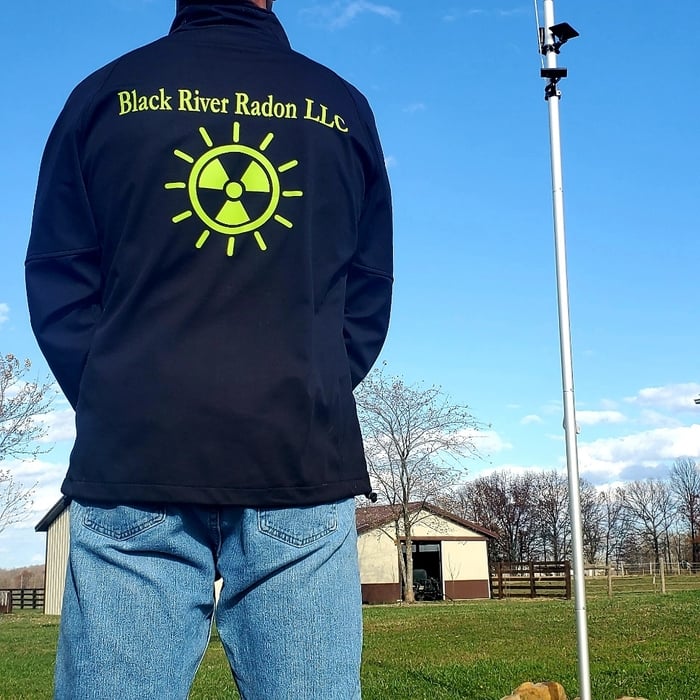
Black River Radon, LLC
5.0(
22
)

Serving Monroeville, OH and surrounding areas

In business since 2019

Emergency services offered

Warranties offered

"Matt did a great job of installing my radon mitigation system. The unit is set up perfectly and looks very professional and the jobsite was cleaned up to how it was before he started the job. I would highly recommend Matt and Black River Radon for all of your radon mitigation needs."
Company Logo
Company Logo
Radon Specialist
Owner
Black River Radon LLC

+11

Response time5 hrs
Recommended by95%of homeowners

Radon Detection and Reduction questions, answered by experts

The average radon mitigation system uses about 876 kWh of electricity per year, although the exact amount of electricity used will vary depending on the size of the radon fan. Once the system is installed, the annual increase to your energy bill could range from $30 to $300 per year, again depending on the size of the fan.

The fan that pulls the radon out of the air needs to run continuously, so you may see an increase in your electric bill once you install the mitigation system. Additionally, you may see an increase in your heating or cooling bills, as the fan can cause some loss of hot or cool air.

If your home has a sump pit, you can integrate it with a radon mitigation system. You can accomplish this by sealing the pump cover with an airtight lid that accommodates radon vent pipes and sump pump hoses. This allows the vent pipe to redirect the radon gas outside of your home.

Keeping radon from getting into your home is much better than having to get rid of it once it's already indoors. While there may not be a way to fully prevent radon from getting into your home, there are things you can do to reduce the gas's ability to enter. 

Sealing foundation cracks and openings can help keep the gas from seeping inside. Improving air flow, such as by opening windows, can also be helpful. If you're building your home from scratch, talk to your contractor about using radon-resistant construction to keep the gas out.

You'll need to test your home for radon after installing the mitigation system, then again every two years. If radon remains elevated, contact a licensed radon professional, either the contractor who installed the system or a different one, and have them evaluate the system. They may need to make some changes to improve its effectiveness and performance.

The Monroeville, OH homeowners’ guide to radon detection and reduction services

From average costs to expert advice, get all the answers you need to get your job done.