
Top-rated deck repair pros.

Best deck repair pros near Newcomerstown, OH

Enter your zip and get matched with up to 5 pros

Need a pro for your deck repair project in Newcomerstown, OH?

Select your specific project to find the pro for you.

Top-Rated Deck repair pros in Newcomerstown - Updated Nov 2026

Yoder Decking
4.8(
21
)
Deck or Porch - Repair

Serving Newcomerstown, OH and surrounding areas

In business since 2022

Free estimates

Credit card accepted

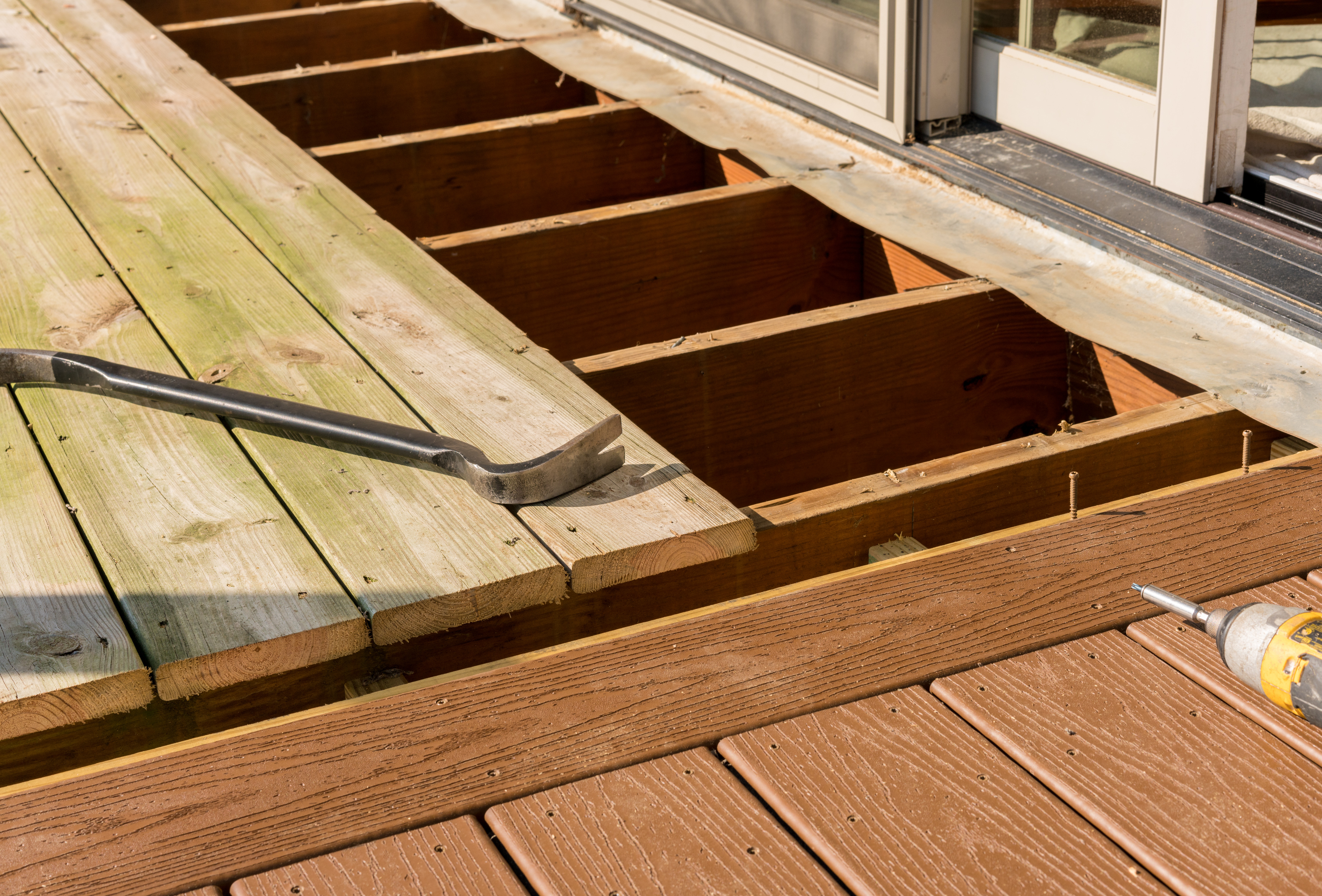
"Yoder Decking replaced our old 300 sq. ft. deck with new composite decking, new rails, new skirting and new stairway. In addition, they replaced and added to existing deck supports as needed. They were professional, easy to work with, and reasonably priced. In addition, they kept their schedule. The new deck looks great. I highly recommend them ."
Response time2 days
Recommended by95%of homeowners
Showing 1-10 of 41
Deck Repair FAQs, answered by experts

The best base materials for a ground-level or floating deck are typically gravel and crushed stone (also known as landscaping rocks). These options are inexpensive, provide excellent drainage, prevent weeds, and help minimize moisture buildup, which reduces shifting and rotting. For added stability and to evenly distribute the weight, you can use concrete deck blocks or pavers. While more expensive, concrete blocks and pavers offer a sturdier base than gravel or crushed stone alone.

The most likely causes of a deck leaning to one side are damaged deck posts, soil erosion, and inadequate deck footings. If you’re not sure about the exact cause, the best option is to call a contractor who can build a deck to inspect the damage and recommend the best way forward.

What goes under your floating deck depends on your preferences. Some homeowners put landscaping fabric underneath their decks to prevent weeds from popping up through the boards. Others choose to build a floating deck over grass or gravel. However, it’s best not to set your deck directly on the ground. Instead, set your deck on blocks to keep it elevated enough to prevent moisture from rotting the wood.

Deck boards should be spaced no more than three-eighths of an inch apart. This is enough space to allow water and small debris to pass through without collecting on the surface, but not enough to create a tripping hazard. Certain materials, like pressure-treated wood, shrink over time, so they may need less space at installation.

The best material for your deck depends on several factors, including your budget, location, aesthetic preferences, and the level of maintenance you’re willing to do. Wood decking, like redwood, ipe, cedar, and pine, lasts the longest, but it’s more expensive and requires more upkeep than composite and synthetic decking.

The Newcomerstown, OH homeowners’ guide to deck repair services

From average costs to expert advice, get all the answers you need to get your job done.