






Top-rated excavation pros.

Best excavation pros near New Washington, OH

Enter your zip and get matched with up to 5 pros

Need a pro for your excavation project in New Washington, OH?

Select your specific project to find the pro for you.

Top-Rated Excavation pros in New Washington - Updated Nov 2026

Avatar for Veteran's Home Maintenance, LLC
Veteran's Home Maintenance, LLC
4.3(
94
)
Landscape - Minor Grading or Resloping

Serving New Washington, OH and surrounding areas

Approved

Super Service Award Winner

In business since 1973

Free estimates

Emergency services offered

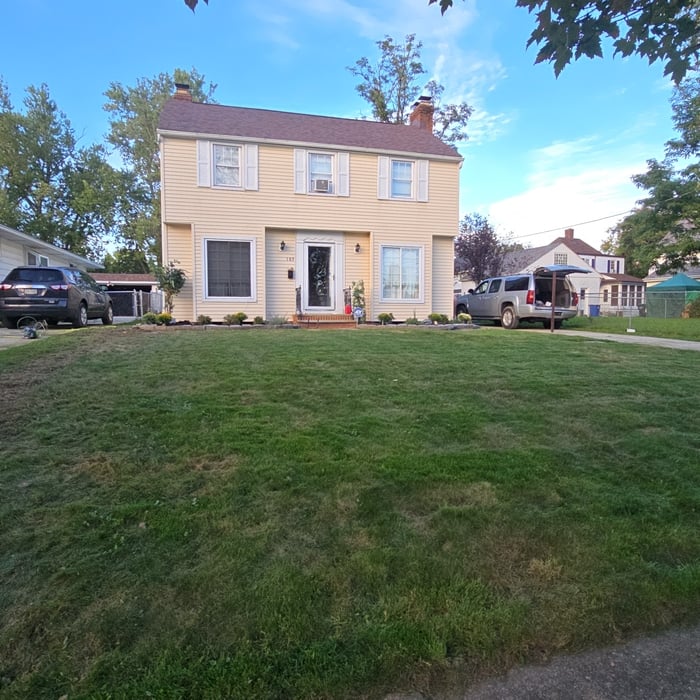
"I have a property that was extremely over grown and they did a fantastic job on it! They communicated with me and the city. Here are before and after photos of the front. I am extremely pleased and I highly recommend."
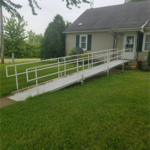
Ramp
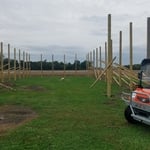
32 6x6x18 ft. post set 4 foot into a 5 foot hole.
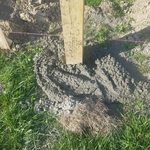
Posts set into holes before concrete
Response time1 day
271 neighbors recently requested a quote
Recommended by42%of homeowners

Avatar for BLUE WATER POND SOLUTIONS LLC
BLUE WATER POND SOLUTIONS LLC
5.0(
7
)
Building Site - Preparation and ClearingBuilding Site - Preparation and Clearing - For BusinessExcavation - Major Grading or Resloping+2 more

Serving New Washington, OH and surrounding areas

Approved

Free estimates

Small jobs welcome

Credit card accepted

"Blue water was efficient about getting out to the house and within a week repaired two issues at my house with water getting into my basement and barn. Work was done skillfully with no damage done and smoothed out every area equipment was used. While on site I added some stump removal and was done before I knew it. Couldn’t recommend more."
BLUE WATER POND SOLUTIONS
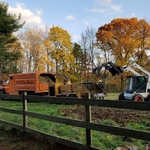
Pond addition.
Avatar for Hemenway Land Enhancement
Hemenway Land Enhancement
5.0(
2
)
Landscape - Minor Grading or Resloping

Serving New Washington, OH and surrounding areas

Approved

In business since 2025

Free estimates

Credit card accepted

"Shane and his crew went above and beyond to completely exceed our expectations not only in getting our concrete job and driveway work done in a very timely manner...but also in taking the extra time to really finish the job with a decorative texture that looks amazing and will last a long time. We highly recommend Shane Hemenway and his crew for your home concrete work."
Front Yard
4 neighbors recently requested a quote
...
Showing 1-10 of 86
Excavating FAQs, answered by experts

A walk-behind trencher can cut through roots as long as they’re not too thick, making a project much easier than digging with a shovel and other hand tools. Assess your terrain and the number of trees in the surrounding area to determine if a walk-behind trencher will ease the job. Digging a trench by hand is much more time-consuming and labor-intensive. 

No, a ditch isn’t a trench. A ditch is an open, relatively shallow channel that’s carved out of the ground and used for drainage purposes. In contrast, a trench is a deeper excavation that’s entirely underground. Trenches have many uses, including gas lines, sewage systems, and electrical wiring. Unlike trenches, ditches don’t get filled back in with dirt after they’re dug.

Sewer lines can be buried anywhere from 18 inches to 8 feet deep, with a common average depth between 18 and 30 inches. The exact depth depends on local factors like climate and soil type. In colder regions, pipes must be buried deeper (below the frost line) to prevent freezing, sometimes as deep as 8 feet. The digging depth can also impact the cost of sewer line replacement. To find the specific depth for your property, you can check the building plans for your system, which should be on file with your city or local sanitation department since permits are required for installation.

While general contractors sometimes handle demolition, you can also look specifically for local demolition contractors. Demolition experts need to understand structural integrity, the equipment needed for safe demolition, and the permits required for demolition.

A trench that is less than 5 feet deep often doesn't require a protective system. Most residential trenches will not go this deep (the typical residential drainage trench is just 18 inches deep). In the event that an excavator needs to dig more than 5 feet beneath the surface, a protective system is required unless the excavation is in entirely stable rock.

The New Washington, OH homeowners’ guide to excavation services

From average costs to expert advice, get all the answers you need to get your job done.