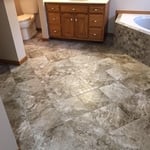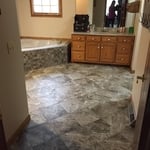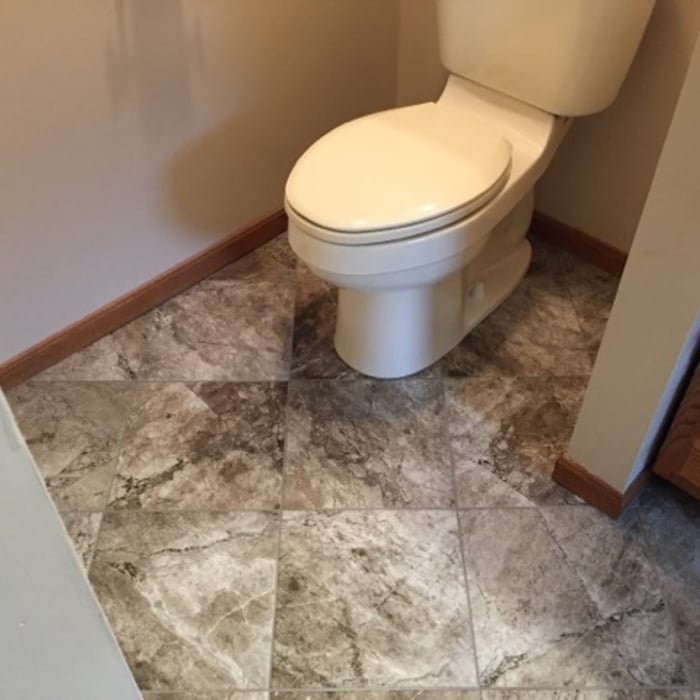









Top-rated ceramic tile pros.

Get matched with top ceramic tile pros in New Washington, OH

Enter your zip and get matched with up to 5 pros

Need a pro for your ceramic tile service project in New Washington, OH?

Select your specific project to find the pro for you.

Find Ceramic tile pros in New Washington

Evans Tile and Construction
New to Angi
Tile: Ceramic and Porcelain - Install

Serving New Washington, OH and surrounding areas

In business since 2018

Free estimates

We take great pride in our experience, expertise, quality, and customer service that we provide to meet the consumer's needs. It is our mission to provide excellent workmanship and complete customer satisfaction from start to completion of a project. In order to understand the needs and expectations of our customers, we take great care to work and communicate with every customer in a professional manner. Our reputation is based on service, safety, and quality, regardless of how large or small the job.

Showing 1-10 of 50
Ceramic Tile questions, answered by experts

No, you don’t need to remove the old grout before installing new tile over existing tile. In fact, the old grout helps fill in gaps between tiles, creating a more even surface for the new layer. However, it's important to ensure that the grout is clean, solid, and free of cracks or crumbling areas. Damaged grout should be repaired or replaced before proceeding. Cleaning the surface thoroughly and filling any low spots will help the new adhesive bond properly and ensure a smooth, stable installation.

The cost to install porcelain tile is about $1,930 on average. Porcelain tile prices range from $880 to $3,000 or more. The average cost tends to be higher than ceramic tile because porcelain tile is very durable. Porcelain tile rating also factors into the material cost. Tile ratings are as follows:

  • Grade 0: Walls only

  • Grade 1: Walls and light traffic floors

  • Grade 2: Rooms with light traffic, but not kitchens or hallways

  • Grade 3: Kitchens, hallways, and entryways

  • Grade 4: Any area, interior or exterior

  • Grade 5: Highest durability good for any area, interior or exterior

You can attach tiles to a wall using thin-set mortar. You’ll also need a notched trowel to create grooves within the adhesive so it flattens completely when pressed in and securely holds the wall tiles. Finally, you’ll need grout to smooth the gaps between the tiles and, ideally, a grout sealer to prevent mold. While it sounds simple enough, proper planning and execution are crucial, so carefully review the steps in this guide or hire a pro tile installer to complete this project.

Glazed ceramic tiles don’t need to be sealed because the glazing already offers some protection against moisture. Unglazed ceramic tiles need to be sealed to keep the porous tile safe from moisture and staining. However, both types of tile can benefit from sealing. Sealant can make the tiles easier to keep clean and offer more resistance to water, spills, and stains.
The best trowel for penny tile is a 3/16-inch-by-5/32-inch V-notch trowel. Because of the small size of the penny tile, you want a trowel with small notches that can lay a thin layer of mortar on the surface you’re tiling. If the notches are too wide, you risk applying too thick of a layer of mortar, and it can squeeze out between the penny tiles.

The New Washington, OH homeowners’ guide to ceramic tile services

From average costs to expert advice, get all the answers you need to get your job done.