


Top-rated fire pit installation pros.

Get matched with top fire pit installation pros in Midvale, OH

Enter your zip and get matched with up to 5 pros

Need a pro for your fire pit installation project in Midvale, OH?

Select your specific project to find the pro for you.

TRUSTED BY MIDVALE, OH HOMEOWNERS

  • Average homeowner rating star icon4.7
    Average homeowner rating
  • Verified reviews icon15
    Verified fire pit installation services reviews

Find Fire pit installation pros in Midvale

Dotts Freelancing
New to Angi
Handyman for Multiple Small Projects

Serving Midvale, OH and surrounding areas

Approved

Small jobs welcome

My name is Brandon, I am an honest, genuine person and work efficiently to my best ability. I have no criminal record, I have all my own tools, and a little bit of experience in just about everything when it comes to fixing or assembling things. I do not do electrical work. If you're interested please provide a detailed explanation of what work you would like done, thanks!

Koncrete Kanvas
New to Angi
Handyman for Multiple Small Projects

Serving Midvale, OH and surrounding areas

Approved

Hi, I’m Kourtney I specialize in helping homeowners tackle that "to-do" list that never seems to get shorter. With years of experience in home maintenance, I pride myself on being punctual, keeping a clean workspace, and providing transparent pricing. Whether it’s painting a space, cleaning, assembling furniture, or installing a new epoxy floor, I treat every home as if it were my own. No job is too small—reach out today with any questions!

...
Showing 1-10 of 83
Fire Pit Installation questions, answered by experts

Installing a spark arrestor on your home’s chimney is an essential task. It reduces fire risk and ensures your chimney is compliant for insurance and building code purposes. Not having a spark arrestor could invalidate your home insurance or cause snags when it comes to a house sale.

You should never block both the top and bottom of your chimney. Proper airflow is essential because the temperature inside the chimney will still fluctuate as your house warms and cools. Moisture can build up without ventilation, leading to dampness in your walls over time. Blocking the top prevents debris and animals from entering, but the chimney still needs air circulation to avoid condensation issues. Allowing the chimney to breathe maintains the health of your home and prevents long-term damage.

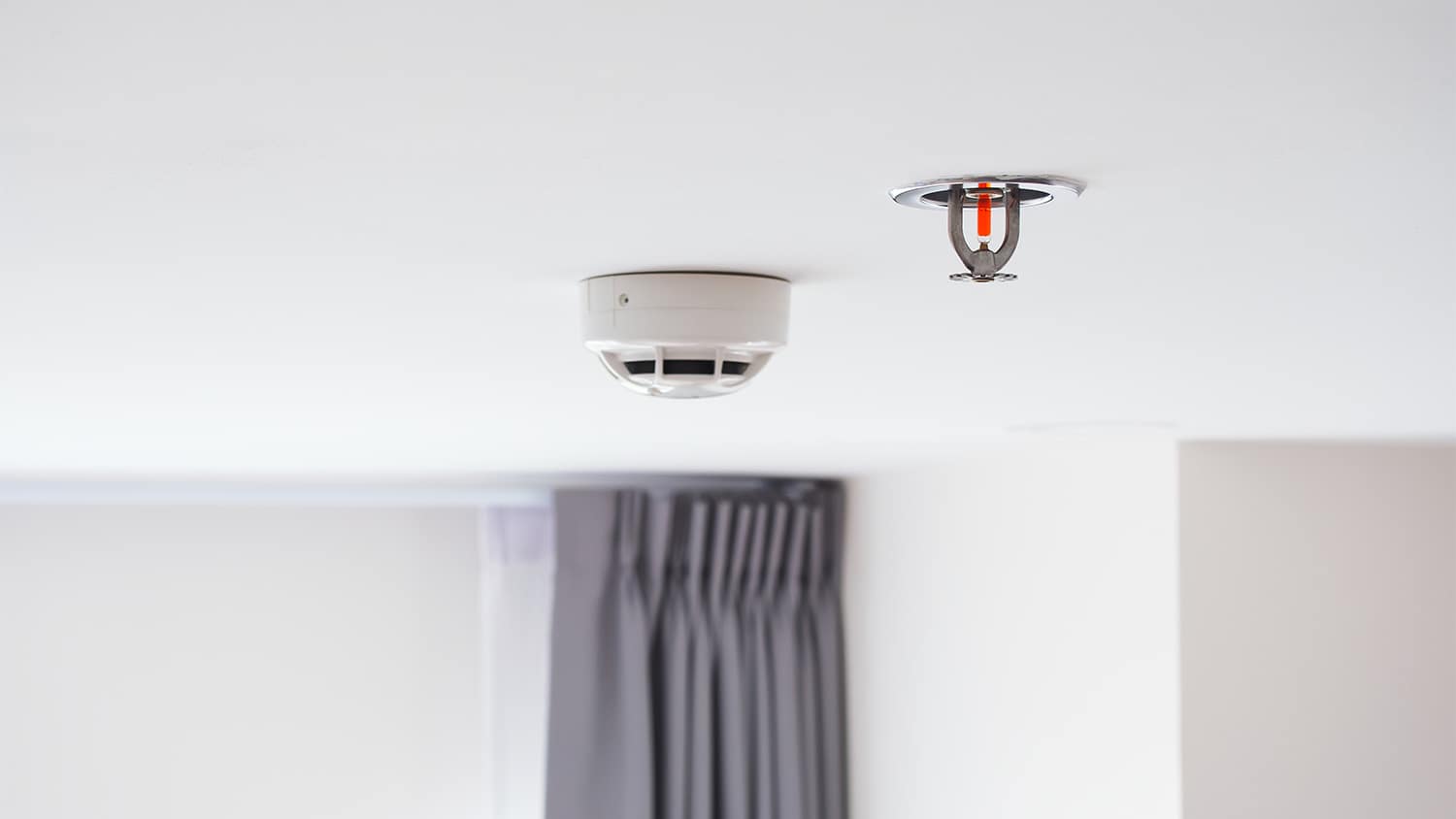
Although you can put a smoke detector on a shelf, the NFPA recommends mounting one on the ceiling or a wall (within 12 inches of the ceiling). If you place your smoke alarm on a shelf, ensure it’s away from drafty, damp, or dusty areas and not near cooking appliances, heat sources, or fluorescent lights.

Chimneys should either be sealed or waterproofed, which is different from sealing off—closing at both ends—a chimney. Waterproofing and sealing are both crucial steps to take to prevent water damage and the chimney leaking inside the house. While waterproofing is more comprehensive, both help safeguard your chimney, extending its life span and preventing expensive repairs. 

Yes. Not only do gas stoves present the risk of a gas leak, but cooking with gas produces twice as much harmful particulate matter. According to Columbia University’s Climate School, gas stoves can also release formaldehyde, a known human carcinogen, and carbon monoxide, which can be toxic in high concentrations.

The Midvale, OH homeowners’ guide to fire pit installation services

From average costs to expert advice, get all the answers you need to get your job done.