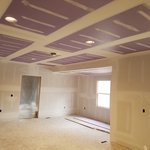





Top-rated plaster repair specialists.

Get matched with top plaster repair specialists in Lyons, OH

Enter your zip and get matched with up to 5 pros

Need a pro for your plaster repair project in Lyons, OH?

Select your specific project to find the pro for you.

TRUSTED BY LYONS, OH HOMEOWNERS

  • Average homeowner rating star icon4.4
    Average homeowner rating
  • Verified reviews icon24
    Verified plaster repairs reviews

Find Plaster repair specialists in Lyons

Avatar for Crawford Fine Finishing
Crawford Fine Finishing
5.0(
3
)

Serving Lyons, OH and surrounding areas

In business since 2020

Free estimates

Credit card accepted

"Excellent! I would strongly recommend Nathan to anyone. His craftsmanship and attention to detail far exceeded my expectations. I was very pleased with the care he took to put the room back together and the cleanup when the work was finished. Great job, thanks again."
Additional Photos
Additional Photos
Additional Photos
Additional Photos
Additional Photos

+3

Recommended by100%of homeowners
Avatar for Distinctive Stucco
Distinctive Stucco
5.0(
1
)

Serving Lyons, OH and surrounding areas

In business since 2019

Free estimates

Distinctive Stucco is a licensed and certified stucco contractor serving the Great Lakes Region. We're based in Southeast Michigan and have many years of experience with stucco installation and stucco repair. We have experience in traditional stucco and EIFS systems. We work on large commercial projects as well as small residential jobs.

Additional Photos
Additional Photos
Additional Photos
Additional Photos
Additional Photos

+6

Recommended by100%of homeowners
Showing 1-10 of 25
Plaster Repair questions, answered by experts

Look for flaking paint or air bubbles that burst and then flake away. Paint will begin to flake after being exposed to minimal moisture or water, so it’s a good indicator of any water damage. If you notice your paint starting to flake, feel the plaster underneath to see if it is soft or damp.

Plaster ceilings can sag for several reasons. In some cases, the plaster and other building materials shift and come apart over time, which is why you’ll commonly find drooping plaster ceilings in older homes. Improper installation, foot traffic, and water damage—often from a leaky roof or a broken pipe—can also cause plaster ceilings to sag.

With its breathability and flexibility, lime plaster is among the most durable of all plaster types. It's also fire-resistant and has a proven track record, as people have been using it for thousands of years.

However, all plaster types will last for many years with the right care and treatment. Proper preparation and installation will also help ensure your plaster walls look great for as long as possible.

Although they have similar applications, spackle and joint compound are not the same. Their primary differences lie in their composition, consistency, and ideal use cases.

Spackle is composed of gypsum and binding agents, making it thicker than joint compound. It dries quickly and is easy to sand, which makes it ideal for small wall repair projects like filling nail holes or patching minor damage.

Joint compound, also known as drywall mud, consists of limestone and gypsum. It is primarily used for large-scale projects, such as taping and finishing the seams on newly installed drywall. It tends to shrink more than spackle and can be more difficult to spread.

While both products can be used to fill small depressions and cracks, spackle cannot replace joint compound for taping and mudding new drywall. Conversely, you can often use joint compound for small patching jobs typically done with spackle.

All plaster walls will crack over time due to normal house settling and expansion and contraction from temperature and moisture changes. Small, thin hairline cracks are generally not serious and are mostly a cosmetic issue. However, larger or more significant cracks can indicate structural problems.

Here's how to tell the difference:

  • Cosmetic Cracks: Cracks that are 0.5 cm (0.2 inches) or thinner are typically cosmetic.

  • Structural Cracks: Cracks wider than 0.5 cm, excessive or deep cracks, multiple cracks in the same area, or cracks that span around corners can signify a structural or foundation issue. Cracks along the joints where walls meet the ceiling also warrant attention.

For cracks wider than 0.5 cm, structural repair is needed. If a crack is 2.5 cm (1 inch) or wider, or if you notice any signs of a structural problem, it is best to contact a plaster repair professional to assess the damage.

The Lyons, OH homeowners’ guide to plaster repairs

From average costs to expert advice, get all the answers you need to get your job done.